
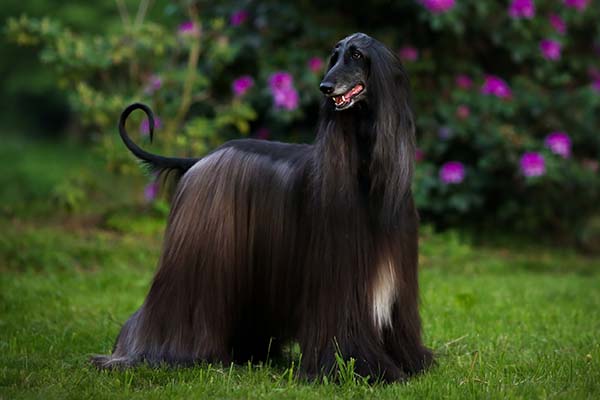
Are Afghan Hounds Easy to Train?
The short answer is no — Afghan Hounds are among the most challenging breeds to train. With a trainability score of 1 out of 5, these independent thinkers have their own agenda and aren't naturally inclined to please their owners like some other breeds.
What most owners don't realize is that this difficulty stems from the Afghan Hound's breeding history. Originally developed in the cold mountains of Afghanistan as sighthounds, they were bred to hunt independently without constant human direction. This independence, while valuable in their original role, translates to a dog that questions commands rather than blindly following them.
Their high energy level (4 out of 5) combined with low trainability creates a perfect storm of challenges. You'll notice that untrained Afghan Hounds can become destructive when their physical and mental needs aren't met. However, this same energy can be channeled positively with the right approach.
Here's the thing — Afghan Hounds aren't stubborn out of spite. They're intelligent dogs who simply process information differently than more biddable breeds. Understanding this mindset is the first step toward successful training.
Best Training Methods for Afghan Hounds
Positive reinforcement is absolutely essential when training Afghan Hounds, but it needs to be applied strategically. These dogs respond best to high-value rewards that capture their attention — think premium treats, favorite toys, or brief play sessions.
Keep training sessions short and engaging. Afghan Hounds have limited attention spans for repetitive tasks, so aim for 5-10 minute sessions multiple times per day rather than lengthy training marathons. End each session on a positive note while your dog is still engaged.
Motivation is key with this breed. Unlike people-pleasing dogs who work for praise alone, Afghan Hounds need to see what's in it for them. Experiment with different rewards to find what drives your individual dog — some respond to food, others to toys, and many to the opportunity to run freely.
Timing is everything. Afghan Hounds learn best when they're slightly tired from exercise but not exhausted. A moderate walk or play session before training can help settle their high energy and improve focus. Never attempt training when your dog is overstimulated or completely drained.
Consistency across all family members is crucial. Afghan Hounds are quick to identify the "weak link" in the household and will exploit inconsistent rules. Everyone must use the same commands and enforce the same boundaries.
Afghan Hound Puppy Training Essentials
Start with basic commands immediately, but adjust your expectations. "Sit" and "stay" might take weeks to master with an Afghan Hound puppy, compared to days with other breeds. Focus on one command at a time and celebrate small victories.
House training typically takes 4-6 months with Afghan Hounds, longer than many breeds. Their independent nature means they're less motivated by your approval when they have accidents. Establish a strict schedule, take them out frequently, and reward outdoor elimination enthusiastically.
Crate training is particularly valuable for this breed. Afghan Hounds benefit from having a safe space where they can retreat, and crates help prevent destructive behavior when you're away. Make the crate comfortable with soft bedding and never use it as punishment.
Early socialization is critical given their moderate scores with children (3/5) and other dogs (3/5). Expose your puppy to various people, animals, sounds, and environments during the crucial 8-16 week period. Well-socialized Afghan Hounds are more confident and easier to manage as adults.
Leash training should begin immediately. Afghan Hounds have strong prey drives and will chase moving objects without regard for their safety. A puppy who learns to walk nicely on leash becomes a manageable adult dog.
Common Afghan Hound Behavior Challenges
Destructive Behavior: Their high energy level (4/5) combined with low trainability creates dogs who find their own entertainment when bored. Afghan Hounds are notorious for destroying furniture, shoes, and household items. The solution isn't more punishment — it's more appropriate outlets for their energy and mental stimulation.
Selective Hearing: Don't take it personally when your Afghan Hound ignores your commands. This breed has mastered the art of selective hearing, especially when something more interesting catches their attention. Improve reliability by practicing commands in increasingly distracting environments and always having high-value rewards available.
Escape Artistry: Afghan Hounds are accomplished escape artists who can clear surprisingly high fences. Their athletic build and determination make them excellent jumpers and diggers. Secure fencing is non-negotiable, and many owners find that 6-foot fences are the minimum height needed.
Moderate Barking Issues: With a barking score of 3/5, Afghan Hounds aren't excessive barkers, but they can become vocal when bored or alerting to perceived threats. Address barking by identifying triggers and providing alternative behaviors. Teaching a "quiet" command early prevents this from becoming a neighborhood issue.
Prey Drive Challenges: Their sighthound heritage means Afghan Hounds will chase anything that moves quickly — cats, squirrels, joggers, cyclists. This instinct is nearly impossible to train out completely, making reliable recall training essential for their safety.
Professional Training for Afghan Hounds
Given their unique training challenges, many Afghan Hound owners benefit from professional guidance. Expert trainers understand how to work with independent, intelligent breeds.
Socialization Tips for Afghan Hounds
Afghan Hounds score moderately (3/5) with both children and other dogs, which means proper socialization can significantly improve these relationships. Start socialization early and maintain it throughout their lives.
With Children: Afghan Hounds can be good family dogs, but they're not naturally tolerant of rough handling or loud noises that children often produce. Supervise interactions and teach children to approach calmly and gently. These dogs do better with older children who understand boundaries.
With Other Dogs: Their moderate score with other dogs reflects their somewhat aloof nature. Afghan Hounds aren't typically aggressive, but they're not particularly social either. Regular, positive interactions with well-behaved dogs help maintain their social skills. Dog parks can be overwhelming — controlled playdates work better.
Environmental Socialization: Expose your Afghan Hound to various environments, sounds, and experiences. Their sensitive nature means they can become fearful of unfamiliar situations without proper exposure. City dogs need country experiences, and rural dogs benefit from urban exposure.
Ongoing Socialization: Don't stop socializing once puppyhood ends. Afghan Hounds can become increasingly aloof and set in their ways without continued exposure to new experiences. Regular outings and controlled social situations help maintain their adaptability.