
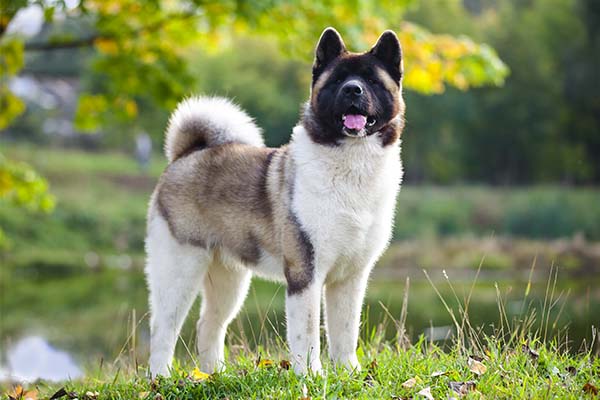
How Long Do Akitas Live?
Akitas have a life expectancy of 10-12 years, which is typical for large working breeds. Their substantial size (100-130 pounds) places them in the category of dogs that generally have shorter lifespans than smaller breeds.
Several factors influence an Akita's longevity. Genetics play a major role, so choosing a puppy from health-tested parents is crucial. Diet, exercise, preventive veterinary care, and maintaining a healthy weight throughout their life also significantly impact how long your Akita will live.
What most owners don't realize is that large breeds like Akitas age faster than smaller dogs. They're considered seniors around 6-7 years old, making early health monitoring even more important.
Common Health Conditions in Akitas
Like all large working breeds, Akitas may be prone to certain health conditions. While not every Akita will develop these issues, being aware of potential problems helps you recognize early warning signs and seek prompt veterinary care when needed.
Preventive Care Checklist for Akitas
Regular preventive care is your best defense against health problems. Here's what every Akita owner should prioritize to keep their dog healthy throughout their 10-12 year lifespan.
- Annual veterinary exams (twice yearly for seniors over 7)
- Keep vaccinations current according to your vet's schedule
- Monthly heartworm and flea/tick prevention year-round
- Daily dental care with brushing or dental chews
- Maintain healthy weight through proper diet and exercise
- Hip and elbow X-rays around 2 years old
- Annual eye exams by a veterinary ophthalmologist
- Thyroid function testing as recommended by your vet
- Monitor for bloat symptoms, especially after meals
Genetic Testing & Screening for Akitas
Genetic testing helps identify potential health risks before symptoms appear. Responsible Akita breeders should provide health clearances for breeding dogs, but you can also test your own dog.
The Orthopedic Foundation for Animals (OFA) maintains databases for hip dysplasia, elbow dysplasia, and other conditions. Eye clearances from the Canine Eye Registration Foundation (CERF) help identify hereditary eye problems.
DNA tests are available for specific conditions like progressive retinal atrophy. While these tests can't prevent genetic conditions, they help you and your vet create the best health management plan for your Akita.
Is Pet Insurance Worth It for Akitas?
Given the potential for expensive health conditions in large breeds, many Akita owners find pet insurance valuable. Hip surgery can cost $3,000-$7,000 per hip, while emergency bloat surgery often exceeds $5,000.
The best time to get insurance is when your Akita is young and healthy, before any conditions develop. Pre-existing conditions are typically excluded from coverage.
You'll notice that premiums are higher for large breeds like Akitas due to their increased health risks. However, the peace of mind and financial protection can be worth the monthly cost, especially for major surgeries or chronic conditions requiring ongoing treatment.
Protect Your Akita's Health
Large breeds like Akitas face higher veterinary costs due to their size and potential health conditions. Compare pet insurance plans to find coverage that fits your budget and gives you peace of mind.