
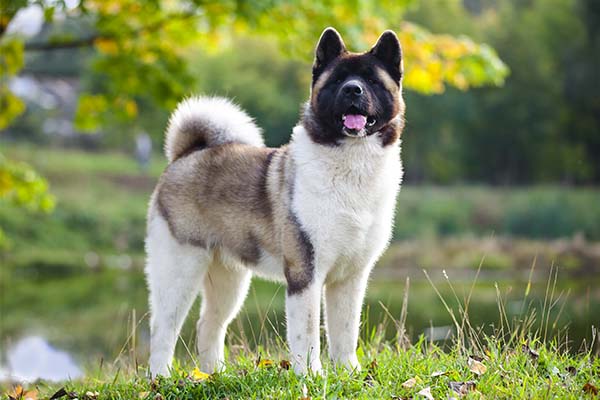
Are Akitas Easy to Train?
Akitas score a moderate 3 out of 5 for trainability, placing them in the middle range for learning new commands and following instructions. What most owners don't realize is that this score doesn't tell the whole story about training an Akita.
These working dogs were bred for independence and decision-making, which can translate into a strong-willed personality during training sessions. You'll notice that Akitas often prefer to think things through before responding to commands, rather than immediately complying like some other breeds.
The key to successful Akita training lies in understanding their dignified nature and need for respect. They respond poorly to harsh corrections or repetitive drilling but excel when training feels like a partnership rather than domination.
Energy levels play a significant role in their training success. With a high energy score of 4 out of 5, Akitas need adequate physical and mental stimulation before training sessions. A tired Akita is often a more focused Akita.
Their relatively low barking tendency (2 out of 5) actually works in your favor during training, as they're less likely to become overly excited or distracted by environmental sounds during sessions.
Best Training Methods for Akitas
Positive reinforcement is absolutely essential for Akita training success. These proud dogs shut down quickly with harsh methods, but they'll work enthusiastically for rewards they value.
Here's the thing about motivating Akitas: food rewards work, but they're often more motivated by praise, play, and quality time with their handler. Experiment with different reward types to find what makes your individual Akita's eyes light up.
Keep training sessions short and engaging. Akitas typically do best with 10-15 minute sessions, 2-3 times daily. Their working dog heritage means they prefer variety and mental challenges over endless repetition of the same command.
Consistency in commands and expectations is crucial. Akitas are intelligent enough to notice when rules change, and they may choose to ignore inconsistent handlers. Every family member should use the same commands and reward system.
Timing is everything with this breed. Reward immediately when they get it right, and redirect calmly when they don't. Akitas have long memories for both positive and negative training experiences.
Incorporate their natural working instincts into training. They excel at tasks that feel purposeful, like carrying items, learning complex tricks, or participating in dog sports that challenge their minds and bodies.
Akita Puppy Training Essentials
Start with the basics immediately. Akita puppies should learn their name, "sit," "stay," and "come" as their first commands. These foundation skills become crucial for managing a 100-130 pound adult dog.
House training typically takes 4-6 months for Akitas, which is fairly standard for large breeds. Their moderate trainability means you'll need patience and consistency, but they do get there with proper routine.
Establish a clear daily schedule from day one. Akitas thrive on predictability, and puppies especially benefit from knowing when meals, walks, training, and rest time occur.
Leash training should begin early, as adult Akitas are powerful dogs. Start with short, positive sessions in a safe area, rewarding them for walking beside you rather than pulling.
Crate training works well for this breed, as they appreciate having their own space. Make the crate comfortable and never use it as punishment. Many Akitas continue using their crates as adult "dens" even when they no longer need confinement.
Teach bite inhibition immediately. Akita puppies need to learn appropriate mouth pressure during play, as their size makes even playful nipping problematic as they grow.
Introduce grooming handling early. With their moderate grooming needs (3 out of 5), Akitas need regular brushing and nail trims. Puppies who learn to accept handling become much easier to groom as adults.
Common Akita Behavior Challenges
High energy needs can lead to destructive behavior when not properly channeled. With their energy score of 4 out of 5, under-exercised Akitas may dig, chew, or become restless indoors. The solution is adequate daily exercise before expecting calm, focused behavior.
Resource guarding is a common issue with this breed. Akitas can become possessive of food, toys, or favorite spots. Address this early with positive training that teaches them good things happen when people approach their valued items.
Stubbornness during training sessions often stems from boredom or unclear communication rather than defiance. If your Akita suddenly stops responding to known commands, evaluate whether they need more mental stimulation or clearer direction.
Door dashing and escape attempts can occur with this independent breed. Their working background includes problem-solving skills, so they may figure out how to open gates or doors. Consistent recall training and secure fencing are essential.
Selective hearing is another challenge owners face. Akitas are intelligent enough to know when compliance is optional versus required. Establish clear boundaries about which commands are non-negotiable.
Overprotectiveness can develop without proper training and socialization. While their moderate score with children (3 out of 5) suggests they can do well with kids, they need training to understand appropriate protective behavior versus overreaction.
Professional Training for Akitas
Working with a breed-experienced trainer can make a significant difference in your Akita's development. Professional guidance is especially valuable for socialization and addressing breed-specific challenges.
Socialization Tips for Akitas
Early and extensive socialization is critical for Akitas, especially given their low score with other dogs (1 out of 5). This breed can become dog-aggressive without proper early exposure and training.
Start socialization immediately after vaccination clearance from your vet. Focus on positive experiences with various people, animals, sounds, and environments. The goal is creating positive associations, not overwhelming your puppy.
Controlled dog interactions work better than dog parks for this breed. Arrange playdates with known, well-behaved dogs rather than exposing your Akita to unpredictable group dynamics.
Their moderate compatibility with children (3 out of 5) means supervised interactions with kids of all ages during puppyhood. Teach both the dog and children appropriate behavior around each other.
Expose them to various people including men, women, children, elderly individuals, and people wearing hats, uniforms, or using mobility aids. Akitas can become suspicious of unfamiliar types of people without early exposure.
Practice public outings regularly. Well-socialized Akitas should be comfortable walking through neighborhoods, visiting pet-friendly stores, and encountering everyday situations like delivery people or maintenance workers.
Address fear or aggression immediately. If your Akita shows concerning reactions during socialization, consult a professional trainer experienced with this breed rather than hoping they'll "grow out of it."