
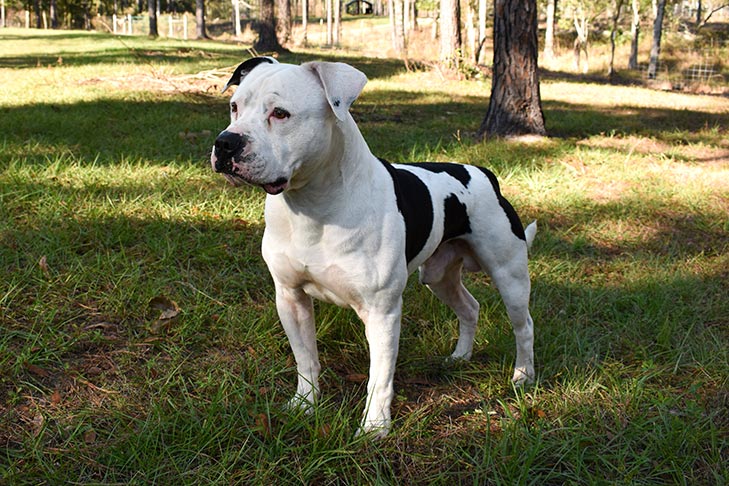
Are American Bulldogs Easy to Train?
Here's the thing about American Bulldog training — these dogs score an impressive 4 out of 5 for trainability, making them more responsive than many people expect. Their working dog heritage means they're naturally inclined to learn and follow commands when properly motivated.
What most owners don't realize is that American Bulldogs thrive on structure and consistency. Their muscular, mastiff-type build might suggest they're stubborn, but the opposite is often true. These dogs were bred to work alongside humans on farms and ranches, creating a strong desire to please their handlers.
The key to successful American Bulldog training lies in understanding their moderate energy level (3/5 score). They need mental stimulation but won't require the intensive exercise routines of high-energy breeds. This makes training sessions more manageable and focused.
You'll notice that American Bulldogs respond best to confident, consistent leadership. Their size (75-100 lbs and 20-28 inches tall) means early training is crucial — what's cute in a puppy becomes problematic in a 90-pound adult dog.
Best Training Methods for American Bulldogs
Positive reinforcement works exceptionally well with American Bulldogs. These dogs are food-motivated and respond enthusiastically to treats, praise, and play rewards. The short answer is that harsh corrections or dominance-based methods will backfire with this breed.
Keep training sessions short and engaging — 10 to 15 minutes at a time works best. American Bulldogs have good attention spans but can become bored with repetitive drills. Mix up your training routine with different commands, tricks, and activities.
What motivates American Bulldogs most? Food rewards top the list, followed closely by verbal praise and physical affection. Many owners find success using high-value treats like small pieces of chicken or cheese during initial training phases.
Consistency across all family members is crucial for American Bulldog obedience training. Everyone in the household should use the same commands and reward system. Mixed messages will confuse your dog and slow progress significantly.
Timing matters with this breed. American Bulldogs learn best when training sessions happen before meals when they're naturally more focused and motivated by food rewards. Early morning or late afternoon sessions often yield the best results.
American Bulldog Puppy Training Essentials
Start American Bulldog puppy training immediately — ideally between 8 and 16 weeks old. This critical socialization period shapes your dog's behavior for life. Focus on basic commands first: sit, stay, come, and down form the foundation of all future training.
House training typically takes 4 to 6 months with consistent effort. American Bulldog puppies have small bladders and need frequent outdoor breaks — every 2 hours during the day and immediately after meals, naps, and play sessions.
Crate training works exceptionally well with American Bulldogs. Their den-like instincts make them naturally comfortable in appropriately sized crates. Use the crate for house training, preventing destructive behavior, and providing a safe space for your puppy.
Leash training should begin early with American Bulldog puppies. Their eventual size and strength make loose-leash walking essential. Start with short 5-minute walks and gradually increase duration as your puppy grows.
Socialization during puppyhood prevents behavioral issues later. Expose your American Bulldog puppy to different people, animals, sounds, and environments in controlled, positive ways. This breed's moderate scores with children (3/5) and other dogs (3/5) can improve significantly with proper early socialization.
Common American Bulldog Behavior Challenges
Jumping and Rough Play
American Bulldogs are naturally exuberant and don't always realize their size and strength. Their moderate energy level (3/5) can manifest as enthusiastic greetings that knock people over. Teach alternative behaviors like sitting for attention instead of jumping.
Resource Guarding
Some American Bulldogs develop protective tendencies around food, toys, or favorite spots. Address this early through positive training that teaches your dog that human approach means good things happen, not resource loss.
Selective Listening
Despite their high trainability score, American Bulldogs can be selectively deaf when distracted. This working breed mentality means they might ignore commands when focused on something interesting. Consistent recall training is essential.
Territorial Behavior
American Bulldogs have low barking scores (1/5), but they can become territorial around their property. Early socialization helps prevent excessive guarding behaviors while maintaining their natural protective instincts.
The good news? These challenges are manageable with consistent American Bulldog training tips. Most behavioral issues stem from lack of structure rather than inherent breed problems.
Professional Training for American Bulldogs
Ready to unlock your American Bulldog's full potential? Professional training courses designed specifically for large, intelligent breeds can accelerate your progress and address breed-specific challenges.
Socialization Tips for American Bulldogs
American Bulldogs score 3 out of 5 for compatibility with both children and other dogs — this means they can excel in these areas with proper socialization. The key is starting early and maintaining positive experiences throughout their lives.
With Children
Supervise all interactions between American Bulldogs and young children. Their size and enthusiasm can accidentally overwhelm small kids. Teach children how to interact calmly with your dog and establish clear boundaries for both parties.
Train your American Bulldog to be gentle during play. Commands like "easy" or "gentle" help them modulate their energy around smaller family members. Reward calm, controlled behavior around children consistently.
With Other Dogs
American Bulldogs can be selective about their canine friends. Arrange controlled meetings with well-socialized dogs in neutral territory. Dog parks aren't always ideal for this breed — they prefer smaller playgroups where they can get to know other dogs gradually.
Watch for signs of overstimulation during dog interactions. American Bulldogs can become too intense in their play style. Interrupt and redirect when play becomes too rough or one-sided.
Ongoing Socialization
Socialization doesn't end after puppyhood. Continue exposing your American Bulldog to new experiences throughout their life. Regular walks in different neighborhoods, visits to pet-friendly stores, and controlled interactions with strangers all help maintain their social skills.