
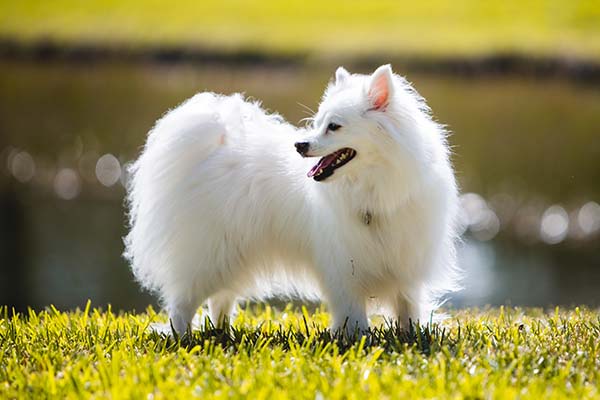
How Long Do American Eskimos Live?
American Eskimo Dogs have a lifespan of 12-15 years, which is typical for medium-sized dogs. Many Eskies live well into their teens with proper care and nutrition.
Several factors influence your American Eskimo's lifespan. Genetics play a major role, so choosing a reputable breeder who health tests their dogs is crucial. Diet, exercise, and regular veterinary care also significantly impact longevity.
Compared to other Spitz breeds, American Eskimos have a similar lifespan to Pomeranians and Finnish Spitz. Their sturdy build and fewer genetic bottlenecks contribute to their generally robust health.
Common Health Conditions
While American Eskimo Dogs are generally healthy, they may be prone to certain genetic conditions. Being aware of these issues helps you monitor your dog's health and catch problems early.
Here's the thing: not every American Eskimo will develop these conditions, but knowing the warning signs helps you provide the best care possible.
Preventive Care Checklist
The best approach to keeping your American Eskimo healthy is prevention. Regular care helps catch issues early and keeps your dog feeling their best.
What most owners don't realize is that consistent preventive care often costs less than treating advanced health problems later.
- Annual vet exams (twice yearly for seniors over 7)
- Keep up with vaccinations and parasite prevention
- Maintain a healthy weight through proper diet and exercise
- Brush teeth regularly and schedule dental cleanings
- Weekly grooming to check for lumps, bumps, or skin issues
- Monitor for changes in appetite, energy, or behavior
- Provide mental stimulation to prevent anxiety and destructive behaviors
Genetic Testing & Screening
Genetic testing helps identify dogs at risk for inherited conditions before symptoms appear. For American Eskimos, important tests include hip scoring, eye clearances, and DNA tests for PRA.
Reputable breeders should provide health clearances for breeding dogs. If you're buying a puppy, ask to see these certificates. For adult dogs, your vet can recommend appropriate screening based on age and risk factors.
You'll notice that early detection often leads to better outcomes. Some conditions can be managed effectively when caught early, even if they can't be cured.
Is Pet Insurance Worth It?
Pet insurance can help manage the cost of unexpected health issues. American Eskimos may face expensive treatments for conditions like hip dysplasia surgery or ongoing epilepsy management.
The short answer is that insurance works best when you start coverage while your dog is young and healthy. Pre-existing conditions typically aren't covered, so early enrollment gives you the most protection.
Consider your financial situation and risk tolerance. Some owners prefer to set aside money in a pet emergency fund instead of paying monthly premiums.
Protect Your American Eskimo
Compare pet insurance plans to find coverage that fits your budget and gives you peace of mind for your Eskie's health.