
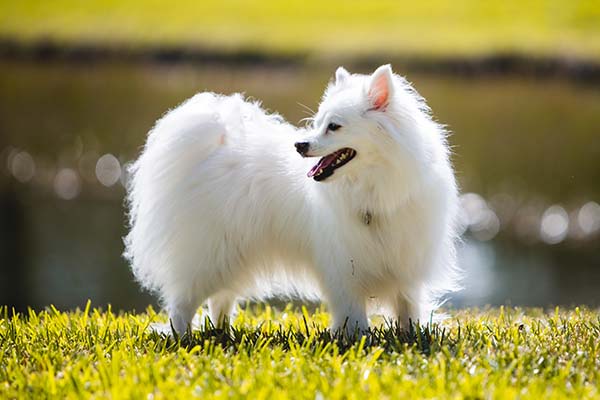
Are American Eskimos Easy to Train?
American Eskimo Dogs score a solid 4 out of 5 for trainability, making them one of the more trainable breeds in the Non-Sporting group. These intelligent Spitz-type dogs were originally bred as companion animals, which means they naturally want to please their humans.
What most owners don't realize is that their German Spitz heritage gives them an independent streak that can sometimes come across as stubbornness. You'll notice that American Eskimos respond best when they understand the "why" behind a command, not just the "what."
Their high energy level (4 out of 5) works in your favor during training sessions. These dogs have the mental stamina for longer training periods and actually crave the mental stimulation that comes with learning new commands and tricks.
The key to success with American Eskimos is consistency and patience. They're quick learners, but they also have strong personalities that require a confident, gentle leader to guide them effectively.
Best Training Methods for American Eskimos
Positive reinforcement is absolutely essential when training American Eskimo Dogs. These sensitive, intelligent dogs respond poorly to harsh corrections or punishment-based methods, which can actually make them more stubborn or anxious.
Food motivation works exceptionally well with most American Eskimos. Use small, high-value treats like freeze-dried liver or tiny training treats to keep their attention focused. However, don't rely solely on food rewards – these dogs also respond beautifully to praise, play, and attention.
Keep training sessions short and engaging. Aim for 5-10 minute sessions, 2-3 times per day rather than one long session. American Eskimos have excellent focus, but they can become bored if sessions drag on too long.
Make it fun and varied. These dogs love learning new tricks and commands. Mix basic obedience with fun tricks like "spin," "play dead," or "speak" to keep them engaged. Their circus dog heritage means they actually enjoy performing!
Use their natural behaviors. American Eskimos are naturally alert and vocal, so teaching commands like "speak" and "quiet" helps you manage their moderate barking tendency (3 out of 5) rather than trying to suppress it entirely.
Timing is crucial with these smart dogs. Mark the exact moment they perform the desired behavior with a clicker or verbal marker like "yes," then immediately follow with a reward.
Puppy Training Essentials for American Eskimos
Start training your American Eskimo puppy the moment they come home, typically around 8-12 weeks old. These intelligent dogs are like little sponges at this age, ready to absorb everything you teach them.
Essential first commands should include their name, "sit," "stay," "come," and "down." American Eskimo puppies often master "sit" within just a few repetitions due to their high trainability score. Build on this early success to establish a positive training relationship.
House training timeline for American Eskimos is typically 4-6 months for full reliability, which is average for medium-sized breeds. Create a consistent schedule with frequent potty breaks – every 2-3 hours for young puppies. Use the same door and take them to the same spot outside to build the routine.
Crate training works exceptionally well with American Eskimos because they appreciate having a den-like space. Make the crate comfortable with soft bedding and never use it as punishment. Most American Eskimo puppies adapt to crate training within 1-2 weeks.
Early socialization is absolutely critical for this breed. While they score well with children (5 out of 5), their moderate score with other dogs (3 out of 5) means they need extensive early exposure to different dogs, people, and situations.
Introduce your puppy to various surfaces, sounds, and experiences during the critical socialization period (3-14 weeks). This prevents them from becoming overly suspicious or reactive as adults, which can be a challenge with Spitz breeds.
Common Behavior Challenges and Solutions
Excessive Barking: With a barking score of 3 out of 5, American Eskimos can become nuisance barkers if not properly trained. They bark to alert, from excitement, and sometimes from boredom. Teach a "quiet" command by saying "quiet" when they bark, waiting for a pause, then immediately rewarding the silence.
Never yell "shut up" or similar – this actually sounds like barking to them and can escalate the behavior. Instead, redirect their alerting instinct with commands like "thank you, quiet" to acknowledge their watchfulness while asking for silence.
High Energy Destructiveness: Their energy level of 4 out of 5 means under-exercised American Eskimos can become destructive. They might chew furniture, dig, or engage in other problematic behaviors when bored.
The solution isn't just physical exercise – these dogs need mental stimulation too. Puzzle toys, training sessions, and interactive games help tire their minds. A tired American Eskimo is a well-behaved American Eskimo.
Selective Listening: Some American Eskimos develop "selective deafness," especially outdoors where there are exciting distractions. This stems from their independent Spitz nature rather than lack of intelligence.
Practice recall training in progressively more distracting environments. Start indoors, move to a fenced yard, then to a long line in open areas. Never chase an American Eskimo who doesn't come when called – this turns it into a fun game for them.
Resource Guarding: Some American Eskimos can become possessive of food, toys, or favorite spots. Address this early by teaching "drop it" and "leave it" commands using positive methods.
Practice handling exercises where you gently touch their food bowl or toys while they're eating or playing, immediately giving them something even better. This teaches them that human hands near their stuff means good things happen.
Professional Training for American Eskimos
Ready to take your American Eskimo's training to the next level? Professional courses can help you master breed-specific techniques and address challenging behaviors effectively.
Socialization Tips for American Eskimos
American Eskimos score excellently with children (5 out of 5), making them wonderful family dogs, but their moderate score with other dogs (3 out of 5) requires thoughtful socialization strategies.
With Other Dogs: Start socialization early and keep experiences positive. American Eskimos can be somewhat aloof or selective about their canine friends. Arrange controlled meetups with calm, well-behaved dogs rather than throwing them into chaotic dog park situations.
Watch for signs of stress or overstimulation – panting, excessive pacing, or trying to hide behind you. Remove them from the situation before they become overwhelmed, as negative experiences can create lasting fear or reactivity.
With Children: While naturally good with kids, American Eskimos need to learn appropriate play behaviors. Their fluffy appearance makes children want to hug and grab them, so teach both the dog and children proper interaction boundaries.
Practice gentle handling exercises with your American Eskimo puppy. Touch their paws, ears, and tail while giving treats so they're comfortable with children's sometimes clumsy affection.
With Strangers: American Eskimos can be naturally suspicious of strangers due to their alerting background. Counter this tendency by having visitors give your dog treats and ask them to perform simple commands for rewards.
Don't force interactions – let your American Eskimo approach new people at their own pace. Pushing them can create fear-based reactions that are difficult to overcome.
Environmental Socialization: Expose your American Eskimo to various environments, surfaces, and sounds. Take them on car rides, walks through different neighborhoods, and visits to pet-friendly stores.
Their thick double coat means they're comfortable in cold weather but may be less enthusiastic about hot pavement or beach sand. Gradually introduce them to different walking surfaces and weather conditions.