
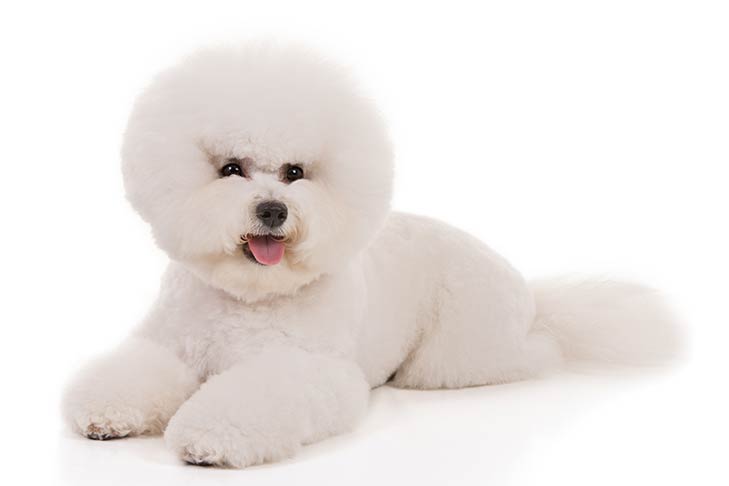
Are Bichon Frises Easy to Train?
The short answer is yes — Bichon Frises score a solid 4 out of 5 for trainability, making them one of the more cooperative small breeds to work with. Their intelligence and affectionate nature mean they genuinely want to please their owners, which gives you a significant advantage during training sessions.
What most owners don't realize is that their Bichon's playful personality can actually work in your favor. These dogs were originally bred as companion animals in France, so they're naturally attuned to human emotions and social cues. This makes them quick to pick up on your approval or disappointment.
Here's the thing though — their high energy level (scoring 4 out of 5) means they need mentally stimulating training sessions to stay focused. A bored Bichon Frise is a distracted Bichon Frise, so keep sessions short, varied, and engaging.
Best Training Methods for Bichon Frises
Positive reinforcement is absolutely the way to go with Bichon Frises. These sensitive dogs respond poorly to harsh corrections or raised voices, which can actually set back your training progress. Instead, focus on rewards-based methods that tap into what motivates your Bichon most.
Food rewards work well, especially small, high-value treats that won't fill them up during training sessions. But here's what many owners miss — Bichon Frises are incredibly social dogs, so praise, petting, and play can be just as motivating as treats. Mix up your rewards to keep things interesting.
Keep training sessions to 5-10 minutes maximum, especially for puppies. Their attention spans are shorter than larger breeds, and their high energy means they'll get restless if sessions drag on. We recommend 2-3 short sessions per day rather than one long one.
Consistency is crucial with Bichon Frises. Everyone in your household should use the same commands and reward system. These smart dogs will quickly figure out which family member is the "easy target" if rules aren't consistent across the board.
Bichon Frise Puppy Training Essentials
Start with the basics as soon as your Bichon Frise puppy comes home, typically around 8-12 weeks old. The first commands to focus on are "sit," "stay," "come," and their name recognition. Bichon puppies are eager learners, so you'll likely see progress within the first week of consistent training.
House training deserves special attention with Bichon Frises. Small dogs like Bichons (weighing just 12-18 pounds as adults) have smaller bladders and faster metabolisms, so they need more frequent potty breaks than larger breeds. Expect the house training process to take 4-6 months with consistent effort.
Create a strict schedule for feeding, watering, and potty breaks. Take your puppy outside first thing in the morning, after meals, after naps, and right before bed. Crate training can be incredibly helpful here — most dogs won't soil their sleeping area, making the crate a valuable house training tool.
Socialization should start immediately and continue through your puppy's first year. Bichon Frises score perfectly (5 out of 5) for being good with children and other dogs, but this natural friendliness needs to be nurtured through positive experiences. Expose your puppy to different people, animals, sounds, and environments in controlled, positive ways.
Common Bichon Frise Training Challenges
Despite their excellent trainability, Bichon Frises do come with some breed-specific challenges you'll need to address. Their moderate barking tendency (scoring 3 out of 5) means they can develop nuisance barking habits if not properly managed from an early age.
Teach a "quiet" command early and consistently. When your Bichon barks, acknowledge what they're alerting you to, then give the quiet command and reward them when they stop. Never yell "shut up" or use punishment — this often makes barking worse because your dog thinks you're joining in.
Their high energy levels can lead to destructive behaviors if they're not getting enough physical and mental stimulation. A tired Bichon is a well-behaved Bichon. Plan for at least 30-45 minutes of activity daily, split between walks, play sessions, and training.
Separation anxiety is another common issue with this companion breed. Bichon Frises were bred to be with people, so they can struggle when left alone. Start with very short departures (5-10 minutes) and gradually increase the time. Create positive associations with your leaving by giving special toys or treats that only come out when you go.
Some Bichon Frises can develop "small dog syndrome" — becoming bossy or demanding because their cute appearance lets them get away with behaviors that wouldn't be tolerated in larger dogs. Set clear boundaries from day one and stick to them, regardless of how adorable those puppy eyes are.
Advanced Training for Bichon Frises
Once your Bichon Frise has mastered the basics, their intelligence and eagerness to please make them excellent candidates for advanced training. Many Bichons excel in dog sports like agility, rally obedience, and even competitive obedience trials.
Trick training is particularly rewarding with Bichon Frises. Their playful nature means they often enjoy learning fun behaviors like "spin," "play dead," or "speak." These tricks aren't just entertaining — they provide mental stimulation and strengthen your bond.
Consider clicker training for more precise communication. Bichon Frises often respond well to the clear, consistent marker that a clicker provides. The timing precision helps them understand exactly which behavior earned the reward.
Leash training deserves special mention with this breed. Despite their small size, Bichon Frises can be surprisingly strong pullers when they're excited. Start leash training early using positive methods, and consider a front-clip harness rather than a collar to protect their delicate neck area.
Troubleshooting Common Training Problems
If your Bichon Frise seems to be regressing in training or developing new behavioral issues, first rule out medical problems. Small dogs can develop health issues that affect their behavior, and sudden changes often have underlying causes.
Stubborn phases are normal, especially during adolescence (6-18 months). Don't abandon your training methods — instead, make sure you're keeping sessions interesting and rewarding enough. Bored Bichons will simply tune out.
If house training isn't progressing, consider that Bichon Frises can be sensitive to weather. These dogs don't love getting their feet wet or going out in extreme temperatures. You might need to be more creative about potty solutions during harsh weather.
Resource guarding (protecting food, toys, or spaces) can occasionally develop in Bichon Frises, especially if they feel their small size puts them at a disadvantage. Address this early with positive training methods, teaching your dog that people approaching their resources means good things happen, not that their stuff will be taken away.
Professional Training for Bichon Frises
Ready to take your Bichon Frise's training to the next level? Professional trainers can help you address breed-specific challenges and unlock your dog's full potential.
Socialization Tips for Bichon Frises
Bichon Frises are naturally social butterflies, scoring perfect 5s for getting along with both children and other dogs. This natural friendliness is a huge advantage, but it still needs to be properly channeled through good socialization practices.
Start socialization early and make it a lifelong practice. Puppy socialization classes are excellent for young Bichons, giving them structured exposure to other dogs and people in a controlled environment. Look for classes that focus on positive experiences rather than forced interactions.
With children, teach both your Bichon and the kids how to interact safely. While Bichons are excellent with children, they're still small dogs (9.5-11.5 inches tall) who can be accidentally injured by enthusiastic young children. Supervise interactions and teach children to be gentle.
Dog park visits can be great for well-socialized adult Bichons, but be selective about which parks you visit. Look for parks with separate areas for small dogs, or visit during off-peak hours when there are fewer large, boisterous dogs around.
You'll notice that properly socialized Bichon Frises often become excellent therapy dogs or emotional support animals. Their natural empathy and small size make them perfect for visiting hospitals, nursing homes, or providing comfort to their families.