
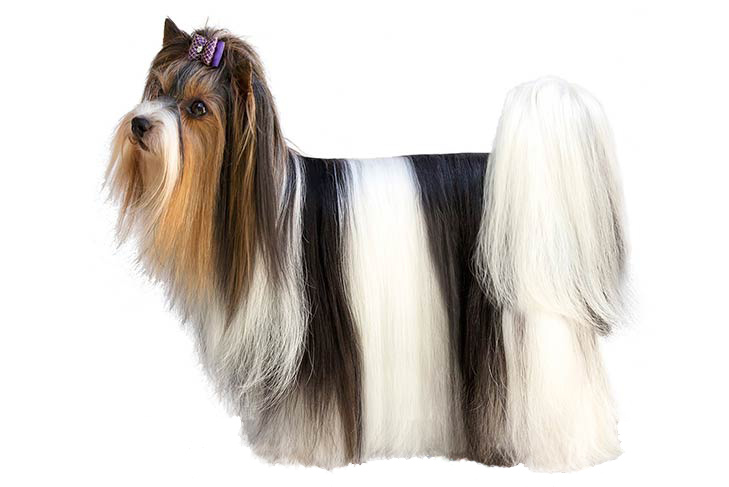
How Much Should a Biewer Terrier Eat?
Biewer Terriers are tiny dogs weighing just 4-8 pounds, which means they need carefully measured portions to maintain their ideal weight. What most owners don't realize is that toy breeds like the Biewer Terrier have faster metabolisms than larger dogs, requiring more calories per pound of body weight.
The exact amount depends on your dog's age, weight, activity level, and the specific food you're feeding. Since Biewer Terriers have moderate energy levels, they typically need between 1/4 to 1/2 cup of high-quality dry food daily, divided into multiple small meals.
Here's the thing about toy breeds — even a few extra kibbles can lead to weight gain. We recommend using a kitchen scale to measure food portions accurately, especially during the puppy stage when growth rates vary significantly.
Biewer Terrier Feeding Chart
| Age | Weight Range | Daily Amount (cups) | Meals/Day |
|---|---|---|---|
| Puppy 2-6 months | 1-4 lbs | 1/4 - 3/8 cup | 3-4 |
| Puppy 6-12 months | 3-6 lbs | 3/8 - 1/2 cup | 3 |
| Adult 1-10 years | 4-8 lbs | 1/4 - 1/2 cup | 2 |
| Senior 10+ years | 4-8 lbs | 1/4 - 3/8 cup | 2 |
Nutritional Needs for Biewer Terriers
Biewer Terriers need a diet rich in high-quality protein to support their moderate energy levels and maintain their silky coat. Look for foods with at least 22% protein for puppies and 18% for adults, with the first ingredient being a named meat source.
Fat content should range between 8-15% for adult Biewer Terriers. Too much fat can lead to weight gain in these small dogs, while too little can affect their coat quality and energy levels. Omega-3 and omega-6 fatty acids are particularly important for maintaining their beautiful tri-colored coat.
Toy breeds like the Biewer Terrier also benefit from smaller kibble sizes that are easier to chew and digest. You'll notice that foods formulated for small breeds often contain higher calorie density to meet their metabolic needs in smaller portions.
Best Types of Food for Biewer Terriers
High-quality dry kibble formulated for small or toy breeds is typically the best choice for Biewer Terriers. The crunchy texture helps maintain dental health, which is crucial since toy breeds are prone to dental issues. Look for small-breed formulas with appropriately sized kibble.
Wet food can be mixed with dry kibble to increase palatability, especially for picky eaters. However, wet food alone may not provide the dental benefits of crunchy kibble. If you choose wet food, ensure it meets AAFCO standards for complete and balanced nutrition.
Raw diets require careful planning and veterinary guidance, especially for toy breeds. The short answer is that most Biewer Terriers do well on high-quality commercial diets that are easier to balance nutritionally and more convenient for busy owners.
Recommended Food for Biewer Terriers
Find high-quality small breed formulas perfect for your Biewer Terrier's nutritional needs.
Feeding Schedule by Life Stage
Biewer Terrier puppies under 6 months should eat 3-4 small meals daily to prevent hypoglycemia, a common issue in toy breed puppies. Their tiny stomachs can't hold much food, so frequent meals help maintain steady blood sugar levels.
Adult Biewer Terriers (1-10 years) do well with two meals per day, typically morning and evening. This schedule helps prevent bloat and maintains consistent energy levels throughout the day. Space meals about 8-12 hours apart when possible.
Senior Biewer Terriers (10+ years) may benefit from smaller, more frequent meals as their metabolism slows down. You'll notice that older dogs often prefer softer foods, so consider slightly moistening dry kibble or incorporating some wet food into their diet.
Signs of Feeding Issues
Monitor your Biewer Terrier's body condition regularly by feeling for their ribs — you should be able to feel them easily but not see them prominently. Weight gain happens quickly in toy breeds, so weekly weigh-ins can help catch problems early.
Coat quality is another indicator of proper nutrition. A healthy Biewer Terrier should have a shiny, silky coat. Dull, brittle, or thinning hair may indicate nutritional deficiencies or overfeeding leading to poor nutrient absorption.
Watch for changes in energy levels, appetite, or bathroom habits. Biewer Terriers with moderate energy levels should maintain consistent activity throughout the day. Sudden lethargy or hyperactivity after meals might indicate feeding issues that need addressing.