
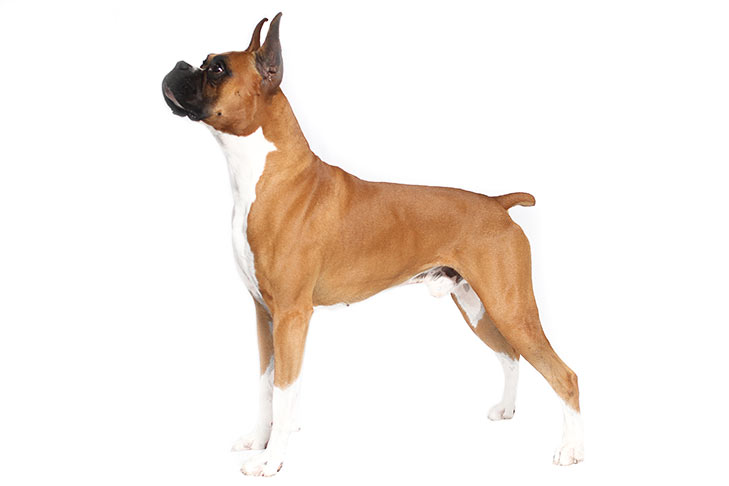
How Much Should a Boxer Eat?
Boxers are high-energy dogs weighing 65-80 pounds, which means they need substantial nutrition to fuel their active lifestyle. The amount your Boxer needs depends on their age, weight, activity level, and metabolism.
Most adult Boxers need 3-5 cups of high-quality dry food daily, split into two meals. However, this can vary significantly based on your dog's individual needs and the calorie density of their food.
What most owners don't realize is that Boxers have different nutritional requirements at each life stage. Puppies need more frequent meals and higher calorie density, while seniors may need adjusted portions to maintain a healthy weight.
Boxer Daily Feeding Chart
| Age | Weight Range | Daily Amount (cups) | Meals/Day |
|---|---|---|---|
| Puppy (2-6 months) | 20-40 lbs | 2-3 cups | 3-4 |
| Puppy (6-12 months) | 40-65 lbs | 3-4 cups | 2-3 |
| Adult (1-8 years) | 65-80 lbs | 3-5 cups | 2 |
| Senior (8+ years) | 65-80 lbs | 2.5-4 cups | 2 |
Boxer Nutritional Needs
With an energy score of 4 out of 5, Boxers need a protein-rich diet to support their muscular build and active nature. Look for foods with at least 22-26% protein for adults and 26-30% for puppies.
Fat content should be around 12-15% for adults to provide sustained energy without excess weight gain. Boxers can be prone to heart conditions, so maintaining an ideal weight through proper nutrition is crucial.
You'll notice that working breed dogs like Boxers also benefit from foods rich in omega-3 fatty acids for joint health and antioxidants to support their immune system during their active years.
Best Types of Food for Boxers
High-quality dry kibble is typically the most convenient and cost-effective option for Boxers. Look for formulas designed for large breed dogs that include glucosamine and chondroitin for joint support.
Wet food can be mixed with kibble to increase palatability and hydration, especially helpful for picky eaters. However, wet food alone may not provide the dental benefits that crunching kibble offers.
Raw diets are growing in popularity, but they require careful planning to ensure nutritional balance. If you're considering raw feeding, work with a veterinary nutritionist to create a complete and balanced meal plan for your Boxer.
Recommended Food for Boxers
Find high-quality dog foods specifically formulated for large, active breeds like Boxers.
Boxer Feeding Schedule by Life Stage
Boxer puppies under 6 months should eat 3-4 times daily to support their rapid growth and prevent hypoglycemia. Space meals evenly throughout the day, typically every 4-6 hours.
Once your Boxer reaches 6 months, you can transition to twice-daily feeding. Most adult Boxers do well with breakfast and dinner, spaced about 12 hours apart.
Senior Boxers (8+ years) may benefit from smaller, more frequent meals if they develop digestive sensitivities. Here's the thing: some older dogs prefer their food slightly warmed to enhance the aroma and make it more appealing.
Signs Your Boxer's Diet Needs Adjustment
Watch for changes in your Boxer's weight, energy levels, and coat quality as indicators of their nutritional status. A healthy Boxer should have a shiny coat, clear eyes, and maintain steady energy throughout the day.
If your Boxer is gaining weight, reduce portions by 10-15% and increase exercise. Conversely, if they're losing weight or seem constantly hungry, they may need larger portions or a higher-calorie food.
You'll notice that digestive issues like loose stools, excessive gas, or vomiting after meals can indicate food sensitivities or the need for a different protein source. Keep a food diary to track any correlations between diet and symptoms.