
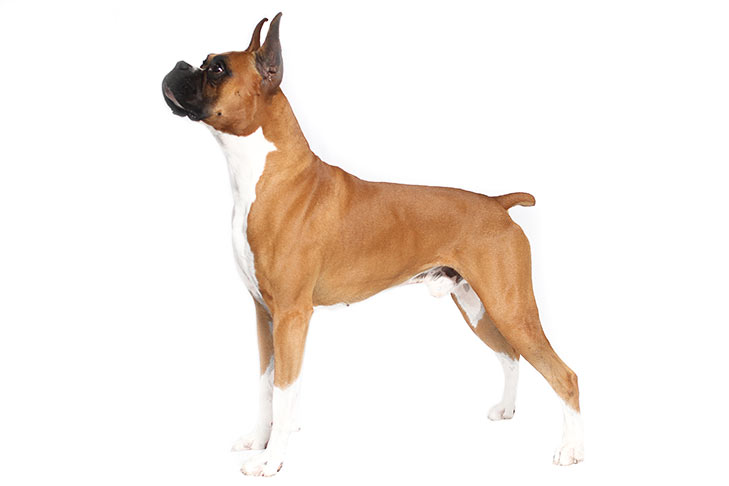
Are Boxers Easy to Train?
Boxers score an impressive 4 out of 5 for trainability, placing them among the more responsive dog breeds. This high score reflects their working dog heritage and natural desire to please their owners.
What most owners don't realize is that Boxers learn best when training feels like play. Their high energy levels (scoring 4 out of 5) mean they need mental stimulation alongside physical exercise to stay focused during training sessions.
Here's the thing about Boxer intelligence — they're problem solvers who can become bored with repetitive training. You'll notice that successful Boxer training requires variety and creativity to keep their attention engaged.
Their working group background means Boxers thrive on having a job to do. This natural drive makes them excellent candidates for obedience training, agility work, and even specialized tasks when properly motivated.
Best Training Methods for Boxers
Positive reinforcement works exceptionally well with Boxers because they're naturally eager to please and highly food-motivated. Use high-value treats, enthusiastic praise, and play rewards to reinforce good behavior.
Keep training sessions short and energetic — 10 to 15 minutes is ideal for maintaining a Boxer's attention. Their high energy score means they learn better with active, engaging methods rather than long, static sessions.
Boxers respond particularly well to clicker training because it provides immediate feedback. The clear communication helps them understand exactly which behavior earned the reward, speeding up the learning process.
Consistency is crucial with this breed. All family members should use the same commands and reward system to avoid confusing your Boxer. Mixed signals can slow progress and create behavioral inconsistencies.
Incorporate play into training whenever possible. Teaching commands through games like fetch or tug-of-war keeps Boxers engaged while reinforcing obedience. This approach works with their natural playfulness and prevents training from feeling like work.
- Use high-value treats and enthusiastic praise
- Keep sessions to 10-15 minutes maximum
- Try clicker training for clear communication
- Maintain consistency across all family members
- Incorporate play and games into lessons
Boxer Puppy Training Essentials
Start with basic commands immediately — Boxer puppies are capable learners from 8 weeks old. Begin with "sit," "stay," "come," and "down" using positive reinforcement techniques.
House training typically takes 4 to 6 months with consistent effort. Boxers are naturally clean dogs, which works in your favor. Take your puppy out frequently, especially after meals, naps, and play sessions.
Crate training is essential for Boxer puppies. Their high energy levels mean they can get into trouble when unsupervised. A properly sized crate becomes their safe space and aids in house training.
Early socialization is critical given that Boxers score 3 out of 5 for getting along with other dogs. Expose your puppy to various people, animals, and environments during the critical socialization period (3-14 weeks).
Teach bite inhibition early. Boxer puppies are naturally mouthy due to their playful nature. Redirect biting to appropriate toys and end play sessions when teeth touch skin.
Establish a routine immediately. Boxers thrive on predictability, and consistent meal times, walks, and training sessions help them learn faster and feel more secure.
Common Boxer Behavior Challenges
Excessive barking is a common issue since Boxers score 3 out of 5 for barking tendencies. They're naturally alert dogs who bark to communicate excitement, alertness, or boredom. Address this through training alternative behaviors and ensuring adequate mental stimulation.
Destructive behavior often stems from their high energy levels. Boxers need substantial physical and mental exercise daily. Without proper outlets, they may chew furniture, dig, or engage in other destructive activities.
Jumping on people is another frequent challenge. Boxers are naturally exuberant and show affection through physical contact. Train them to sit for greetings instead of jumping, and consistently reward calm behavior around visitors.
Pulling on leash happens because Boxers are strong, energetic dogs. Their working dog instincts make them want to forge ahead. Use positive reinforcement to teach loose-leash walking, rewarding them for staying by your side.
Overexcitement in social situations can be problematic. While Boxers score well with children (5 out of 5), their enthusiasm can overwhelm smaller kids or nervous adults. Teach calm greetings and practice impulse control exercises.
Resource guarding may develop if not addressed early. Some Boxers become protective of food, toys, or favorite spots. Prevent this through positive handling exercises and teaching the "drop it" and "leave it" commands.
Advanced Training Opportunities
Boxers excel in various dog sports thanks to their athleticism and trainability score of 4 out of 5. Consider agility training, which channels their high energy into structured activities while strengthening your bond.
Obedience competitions are another excellent outlet. Boxers' working dog heritage makes them natural competitors who thrive on the mental challenges these events provide.
Therapy dog training can be rewarding for well-socialized Boxers. Their excellent score with children and naturally gentle temperament (when trained) make them wonderful candidates for visiting hospitals, schools, or nursing homes.
Nose work and scent training tap into their natural abilities. Boxers have strong scenting instincts that can be developed through structured training programs. This provides mental stimulation while building confidence.
Consider Canine Good Citizen (CGC) certification as a foundation for advanced training. This program teaches essential life skills and serves as a stepping stone to more specialized training opportunities.
Weight pulling or cart work can satisfy their working dog instincts. Boxers are naturally strong and enjoy having jobs to do. These activities provide physical exercise while reinforcing training commands.
Troubleshooting Common Training Issues
If your Boxer seems distracted during training, check their exercise needs first. Their high energy score means they may need more physical activity before they can focus on learning new commands.
Stubborn behavior often indicates boredom rather than defiance. Boxers are intelligent dogs who lose interest in repetitive exercises. Vary your training routine and introduce new challenges regularly.
Regression in house training can happen during adolescence (6-18 months). This is normal for Boxers and requires returning to basic house training protocols without punishment.
Fear-based reactions require patient, positive counter-conditioning. Never force a Boxer to confront something that frightens them. Instead, create positive associations through distance and high-value rewards.
If your Boxer becomes overly excited during training, implement calm-down protocols. Teach them to settle on command and practice impulse control exercises regularly.
Consistency issues often stem from family members using different training methods. Hold a family meeting to ensure everyone uses the same commands, rewards, and expectations for your Boxer.
Professional Training for Boxers
Need expert guidance for your Boxer's training journey? Professional trainers understand breed-specific needs and can accelerate your progress with personalized techniques.
Socialization Tips for Boxers
Boxers score 5 out of 5 with children, making them excellent family dogs when properly socialized. However, their size and energy mean they need training to interact gently with smaller children.
With other dogs, Boxers score 3 out of 5, indicating they can be selective about canine companions. Early, positive exposure to well-behaved dogs is crucial for developing good social skills.
Introduce your Boxer to various environments gradually. Start with quiet settings and progress to busier areas as their confidence builds. This prevents overwhelming them and creates positive associations.
Puppy classes are invaluable for Boxers between 8-16 weeks old. These controlled environments allow safe interaction with other puppies while learning basic obedience under professional guidance.
Practice meeting strangers regularly. Boxers can be initially reserved with new people, so positive experiences with visitors help them become well-adjusted adults. Always supervise interactions and reward calm, polite behavior.
Expose them to different sounds, surfaces, and experiences. Boxers who encounter various stimuli as puppies adapt better to new situations as adults. This reduces anxiety and behavioral issues later in life.