
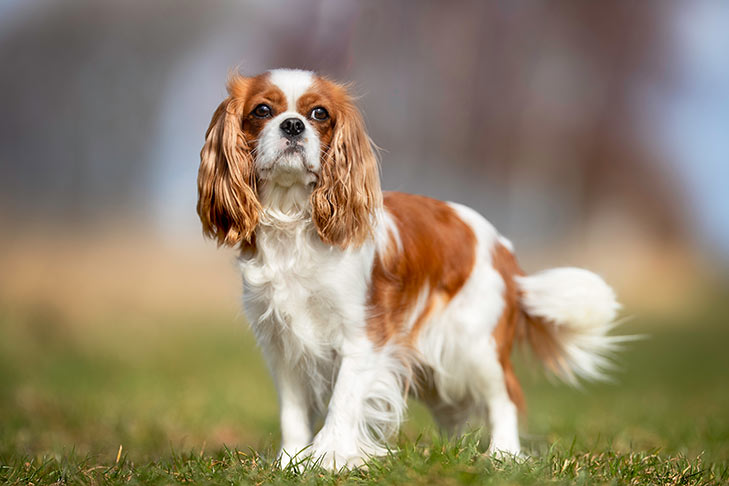
Are Cavalier King Charles Spaniels Easy to Train?
Cavalier King Charles Spaniels score an impressive 4 out of 5 for trainability, placing them among the more responsive toy breeds. This high score reflects their natural eagerness to please and strong food motivation.
What most owners don't realize is that Cavaliers were bred as companion dogs, making them naturally attuned to human cues and emotions. This breeding history translates into dogs that genuinely want to make their families happy.
Their moderate energy level (3 out of 5) works in your favor during training sessions. Unlike high-energy breeds that struggle to focus, Cavaliers can settle into learning mode without excessive physical exercise beforehand.
Here's the thing about training toy breeds: their small size doesn't mean they need less structure. Cavaliers actually thrive with consistent rules and boundaries, despite their gentle temperament.
Best Training Methods for Cavalier King Charles Spaniels
Positive reinforcement is the gold standard for Cavalier King Charles Spaniel training. Their sensitive nature responds beautifully to praise, treats, and gentle encouragement, while harsh corrections can shut them down completely.
Food motivation runs strong in this breed. High-value treats like small pieces of chicken, cheese, or commercial training treats work exceptionally well. Keep treats tiny – remember, these dogs only weigh 13-18 pounds.
Training sessions should last 5-10 minutes maximum. Cavaliers have good attention spans for a toy breed, but they're not marathon learners. Multiple short sessions throughout the day prove more effective than one long session.
Clicker training works wonderfully with Cavaliers. The clear communication helps them understand exactly which behavior earned the reward. Start with basic marker training before moving to complex commands.
Consistency across all family members is crucial. Cavaliers are smart enough to figure out which family member has the loosest rules – and they'll exploit that knowledge.
- Use high-value, tiny treats for motivation
- Keep sessions short but frequent (5-10 minutes)
- Maintain consistent rules across all family members
- Focus on positive reinforcement over corrections
- Consider clicker training for clear communication
Puppy Training Essentials for Cavalier King Charles Spaniels
Start with basic commands the moment your Cavalier puppy comes home. Their high trainability score means they can begin learning "sit," "stay," and "come" as early as 8-10 weeks old.
House training typically takes 4-6 months for Cavalier puppies, which is standard for toy breeds. Their small bladders require frequent potty breaks – every 2-3 hours initially. Crate training accelerates the process significantly.
Socialization is critical during the 8-16 week window. Cavaliers score 5 out of 5 for getting along with children and other dogs, but this natural friendliness needs proper development through exposure.
Name recognition comes quickly with Cavaliers. Practice saying their name in happy tones throughout the day, rewarding them when they look at you. This builds the foundation for recall training.
Leash training should start indoors first. Cavaliers can be sensitive to collar pressure, so consider a properly fitted harness instead. Practice walking on leash inside before tackling outdoor distractions.
- Begin basic commands at 8-10 weeks old
- Expect 4-6 months for complete house training
- Prioritize socialization during the critical 8-16 week period
- Start leash training indoors with a harness
- Practice name recognition with positive associations
Common Behavior Challenges in Cavalier King Charles Spaniels
Moderate barking (3 out of 5) can become problematic without proper training. Cavaliers often bark at doorbell sounds, visitors, or other dogs passing by. The key is teaching a "quiet" command early and rewarding calm behavior.
Separation anxiety appears frequently in this breed due to their strong attachment to family. Start independence training early with short departures, gradually increasing duration. Never make a big fuss when leaving or returning.
Their moderate energy level can lead to destructive behavior if mental stimulation is lacking. Bored Cavaliers might chew furniture, dig in gardens, or engage in attention-seeking behaviors. Puzzle toys and training games help channel their intelligence.
Food guarding rarely occurs in well-socialized Cavaliers, but resource guarding of favorite spots or toys can develop. Practice "drop it" and "leave it" commands regularly, always trading for something better.
Jumping on people is common since Cavaliers love everyone they meet. Their small size makes owners less likely to correct this behavior, but consistency is important for good manners.
- Address barking early with "quiet" command training
- Prevent separation anxiety through gradual independence training
- Provide mental stimulation to prevent destructive behaviors
- Practice resource management commands regularly
- Correct jumping behavior despite their small size
Professional Training for Cavalier King Charles Spaniels
Take your Cavalier's training to the next level with breed-specific courses designed for intelligent, sensitive dogs. Expert-led programs focus on positive reinforcement methods that work best for toy breeds.
Socialization Tips for Cavalier King Charles Spaniels
Cavaliers score perfect 5s for getting along with both children and other dogs, but this natural friendliness requires proper channeling. Without guidance, they can become overly excited when meeting new friends.
Introduce your Cavalier to children of different ages in controlled settings. Teach children how to interact gently – no pulling ears or tail. Cavaliers are naturally patient with kids, but they shouldn't have to tolerate rough handling.
Dog park visits work well for Cavaliers once they're fully vaccinated. Their friendly nature makes them popular with other dogs, though you'll need to watch for overwhelm. Some Cavaliers can be too enthusiastic in their greetings.
Exposure to different environments builds confidence. Take your Cavalier to pet-friendly stores, outdoor cafes, and busy sidewalks. Their adaptable nature handles new situations well with proper introduction.
Puppy socialization classes are ideal for Cavaliers. They learn appropriate play behavior while building confidence around unfamiliar dogs and people. Look for classes that emphasize positive interactions over dominance-based methods.