
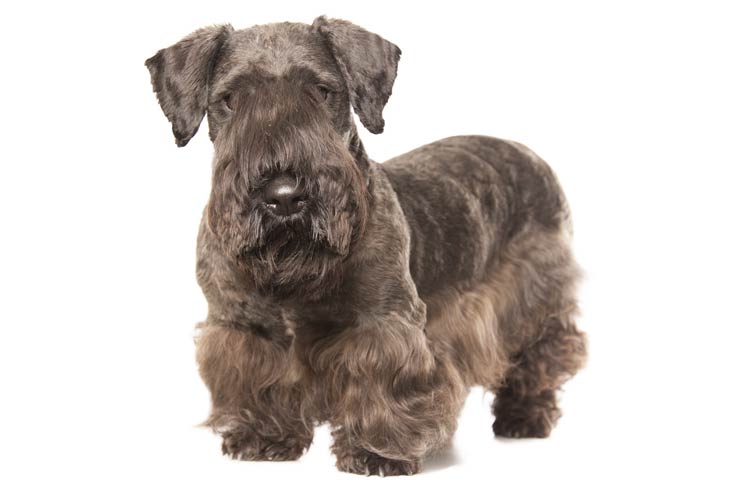
Are Cesky Terriers Easy to Train?
The Cesky Terrier sits right in the middle when it comes to trainability, scoring a 3 out of 5 on our breed assessment scale. This moderate rating reflects the breed's terrier heritage — they're intelligent enough to learn quickly but independent enough to test your patience.
What most owners don't realize is that Cesky Terriers were originally bred for hunting in the Czech Republic, which means they have strong instincts to think for themselves. This independence can make training sessions feel like negotiations rather than straightforward lessons.
You'll notice that your Cesky Terrier learns commands fairly well but may choose when to follow them based on their own judgment. This selective listening is classic terrier behavior and shouldn't be mistaken for lack of intelligence — they're simply evaluating whether your request is worth their time.
The good news is that Cesky Terriers are generally eager to please their families, especially when proper motivation is involved. Their moderate energy level (3 out of 5) means they won't overwhelm you with hyperactive behavior during training sessions, making them more manageable than some high-energy terrier breeds.
Best Training Methods for Cesky Terriers
Positive reinforcement works exceptionally well with Cesky Terriers because these dogs respond better to encouragement than correction. Use high-value treats, praise, and play as rewards to keep your terrier engaged and motivated during training sessions.
Keep training sessions short and sweet — 10 to 15 minutes is ideal for maintaining your Cesky Terrier's attention. Their moderate energy level means they can focus well, but terrier independence kicks in if sessions drag on too long. We recommend two or three short sessions throughout the day rather than one lengthy training period.
Consistency is absolutely crucial with this breed. Cesky Terriers will quickly learn to exploit any inconsistency in rules or commands. If jumping on the couch is sometimes okay and sometimes not, your terrier will assume it's always acceptable and act accordingly.
Food motivation tends to work well with most Cesky Terriers, but you'll need to experiment to find what your individual dog values most. Some respond better to play rewards, while others are motivated by verbal praise and attention. The key is discovering what makes your specific dog's tail wag with enthusiasm.
Avoid harsh corrections or punishment-based training methods. Cesky Terriers can become stubborn or even shut down when faced with negative training approaches. Their sensitive nature combined with terrier pride means they respond much better to patient, positive guidance.
Cesky Terrier Puppy Training Essentials
Start with basic commands like 'sit,' 'stay,' 'come,' and 'down' as soon as you bring your Cesky Terrier puppy home. These foundational commands establish communication and help build the training relationship you'll rely on throughout your dog's life.
House training typically takes 4 to 6 months with Cesky Terriers, which is fairly standard for small to medium-sized breeds. Their size (10-13 inches tall, 14-24 pounds) means they have smaller bladders and may need more frequent potty breaks initially. Establish a consistent schedule and reward successful outdoor elimination immediately.
Crate training works well for this breed because Cesky Terriers appreciate having their own space. Choose a crate that's large enough for your adult dog to stand, turn around, and lie down comfortably. This becomes their safe haven and aids significantly in house training efforts.
Socialization should begin immediately and continue throughout puppyhood. Cesky Terriers score 3 out of 5 for getting along with other dogs, which means early socialization is essential for developing good canine social skills. Expose your puppy to different people, animals, sounds, and environments in a controlled, positive manner.
Teach bite inhibition early, as terrier puppies can be mouthy during play. When your puppy bites too hard during play, let out a high-pitched yelp and stop the interaction. This mimics how littermates would respond and helps your puppy learn appropriate bite pressure.
Common Cesky Terrier Behavior Challenges
Moderate Barking Tendencies
Cesky Terriers score 3 out of 5 for barking, meaning they're not excessive barkers but will vocalize when they feel it's necessary. They may bark at strangers approaching the house, unusual sounds, or when they want attention. Teaching a 'quiet' command early helps manage this natural terrier trait.
Start by acknowledging what they're alerting you to, then redirect their attention with a command like 'quiet' followed by a reward when they stop barking. Never yell at a barking Cesky Terrier, as they may interpret this as you joining in their alert.
Independent Decision Making
The moderate trainability score reflects the breed's tendency to think independently rather than blindly follow commands. Your Cesky Terrier might pause and consider whether they really want to come when called, especially if something more interesting has caught their attention.
Address this by making yourself more interesting than whatever is distracting them. Use high-value rewards and enthusiastic praise when they do respond to commands. Practice recall training in a secure, fenced area before expecting reliable responses in open spaces.
Selective Listening
Many Cesky Terrier owners report that their dogs seem to 'forget' commands they know perfectly well when it's inconvenient. This isn't defiance — it's classic terrier behavior. They're evaluating whether following your command serves their interests.
Combat selective listening by ensuring commands always result in something positive for your dog, even if it's just enthusiastic praise. Make following commands rewarding and ignoring them unrewarding by removing attention or privileges.
Moderate Energy Outlet Needs
With an energy level of 3 out of 5, Cesky Terriers need regular exercise but won't bounce off the walls if they miss a day. However, insufficient mental and physical stimulation can lead to destructive behaviors like digging, chewing, or excessive barking.
Provide daily walks, interactive toys, and training sessions to keep their minds engaged. Puzzle toys and snuffle mats work particularly well for this intelligent breed.
Professional Training for Cesky Terriers
Need extra help with your Cesky Terrier's training? Professional guidance can make all the difference, especially for first-time terrier owners.
Socialization Tips for Cesky Terriers
Cesky Terriers excel with children, scoring a perfect 5 out of 5 for kid-friendliness. This makes them wonderful family dogs, but proper socialization ensures they maintain their gentle nature around children of all ages. Expose your Cesky Terrier to children of different sizes and energy levels during their critical socialization period (3-14 weeks).
Teach children how to interact appropriately with your Cesky Terrier. Despite their excellent child-friendly score, all interactions between dogs and young children should be supervised. Show kids how to pet gently, avoid pulling ears or tails, and respect the dog's space when eating or sleeping.
With other dogs, Cesky Terriers score 3 out of 5, indicating they can get along well with proper introduction and socialization. They may be initially reserved or cautious around new dogs, which is normal terrier behavior. Arrange controlled meetups with well-behaved dogs to build positive associations.
Dog parks can be overwhelming for some Cesky Terriers due to their moderate comfort level with other dogs. Start with one-on-one playdates in neutral territory before progressing to larger group settings. Always watch your dog's body language and remove them from situations where they seem stressed or uncomfortable.
Socialize your Cesky Terrier with different types of people — men, women, children, elderly individuals, people wearing hats or uniforms, and people using mobility aids. This broad exposure helps prevent fear-based reactions later in life.
Expose your puppy to various environments like busy streets, parks, pet stores, and different surfaces (grass, concrete, gravel, stairs). The goal is building confidence and adaptability rather than overwhelming your dog with too much too fast.