
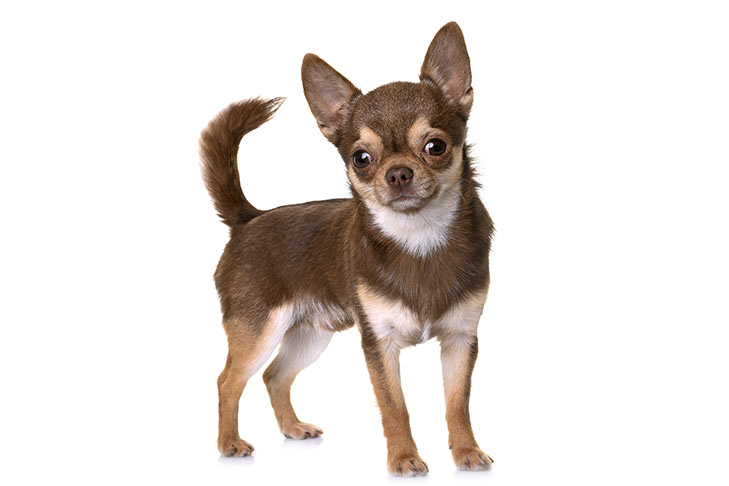
Are Chihuahuas Easy to Train?
Chihuahuas score a 3 out of 5 for trainability, placing them in the moderate range for learning new commands and behaviors. What most owners don't realize is that this score reflects their independent nature rather than lack of intelligence.
Their small size can work against consistent training if owners treat them more like living toys than dogs with real training needs. You'll notice that Chihuahuas who receive proper structure from day one respond much better than those who are coddled.
The key to successful Chihuahua training lies in understanding their toy breed mentality. They're naturally alert and can be quite stubborn, but they're also eager to please when properly motivated. Their high energy level (4 out of 5) means they need mental stimulation through training to prevent destructive behaviors.
Best Training Methods for Chihuahuas
Positive reinforcement works exceptionally well with Chihuahuas, especially when combined with high-value treats that match their tiny mouths. Use small, soft treats that can be eaten quickly without interrupting the training flow.
Keep training sessions short and frequent – 5 to 10 minutes several times per day works better than longer sessions. Their attention span matches their size, and they can become overwhelmed or bored with extended training periods.
Consistency is crucial with this breed. Every family member needs to use the same commands and expectations. Chihuahuas are smart enough to figure out which family members will let them get away with certain behaviors.
Clicker training can be particularly effective because it provides immediate, clear feedback. The sharp sound cuts through their sometimes selective hearing, and the precise timing helps them understand exactly which behavior earned the reward.
Avoid harsh corrections or raised voices, as these can make naturally anxious Chihuahuas even more stressed. Their small size means they're already dealing with a world that feels oversized and potentially threatening.
Puppy Training Essentials
Start with basic commands like 'sit,' 'stay,' and 'come' as early as 8 weeks old. Chihuahua puppies are capable learners, but their independent streak develops quickly, so early training prevents stubborn habits from forming.
House training requires extra patience with toy breeds. Their tiny bladders mean more frequent potty breaks – every 1-2 hours for young puppies. Establish a consistent schedule and use positive reinforcement when they eliminate in the correct spot.
Crate training provides security for anxious Chihuahuas while preventing destructive behaviors when unsupervised. Choose an appropriately sized crate – large enough to stand and turn around, but not so large that they can eliminate in one corner.
Socialization is critical during the 8-16 week window. Expose your Chihuahua puppy to various people, sounds, and experiences in controlled, positive ways. Their moderate score with other dogs (3 out of 5) can improve significantly with proper early socialization.
Teach bite inhibition early, as even tiny Chihuahua teeth can cause injury. If they bite during play, immediately stop the interaction and ignore them briefly. Resume play only when they're calm and gentle.
Common Chihuahua Behavior Challenges
Excessive Barking: With a barking score of 5 out of 5, Chihuahuas are naturally vocal dogs. This stems from their alertness and territorial nature, but it can become problematic without proper management.
Teach the 'quiet' command by allowing a few barks, then saying 'quiet' while holding a treat near their nose. When they stop barking to sniff the treat, immediately reward and praise. Practice this during low-excitement moments first.
Resource Guarding: Small dogs often develop guarding behaviors around food, toys, or favorite spots. Prevent this by teaching 'wait' before meals and practicing 'drop it' with low-value items first.
Leash Reactivity: Their high energy combined with their size can create leash frustration. Use a properly fitted harness rather than a collar to prevent tracheal damage, and practice loose-leash walking in quiet areas before progressing to busier environments.
Separation Anxiety: Chihuahuas bond intensely with their owners and may develop anxiety when left alone. Gradually increase alone time, starting with just a few minutes, and provide puzzle toys or chew items to keep them occupied.
Napoleon Complex: Many Chihuahuas act aggressively toward larger dogs, not understanding their size disadvantage. This behavior often stems from fear or overprotective owners who reinforce the behavior by picking them up during interactions.
Professional Training for Chihuahuas
Struggling with your Chihuahua's training? Professional trainers experienced with toy breeds can provide personalized guidance for your specific challenges.
Socialization Tips for Chihuahuas
Chihuahuas score moderately (3 out of 5) with other dogs, meaning they can learn to get along well with proper introduction and socialization. However, their low score with children (1 out of 5) requires extra caution and structured interactions.
When introducing your Chihuahua to other dogs, choose calm, well-socialized dogs of similar or slightly larger size initially. Avoid overwhelming them with giant breeds until they're confident with medium-sized dogs.
For interactions with children, always supervise closely and teach children how to properly handle small dogs. Children should sit on the floor for interactions, move slowly, and avoid sudden movements or loud noises that might startle the dog.
Create positive associations with new experiences by pairing them with high-value treats. If your Chihuahua seems overwhelmed, increase distance from the stimulus until they're comfortable, then gradually decrease distance over multiple sessions.
Puppy classes designed for small breeds provide controlled socialization opportunities. These classes allow your Chihuahua to interact with similarly sized dogs while learning basic obedience skills.
Don't let your Chihuahua's small size excuse poor behavior toward strangers or other pets. Set the same behavioral expectations you would for a larger dog, just with size-appropriate corrections and management techniques.