
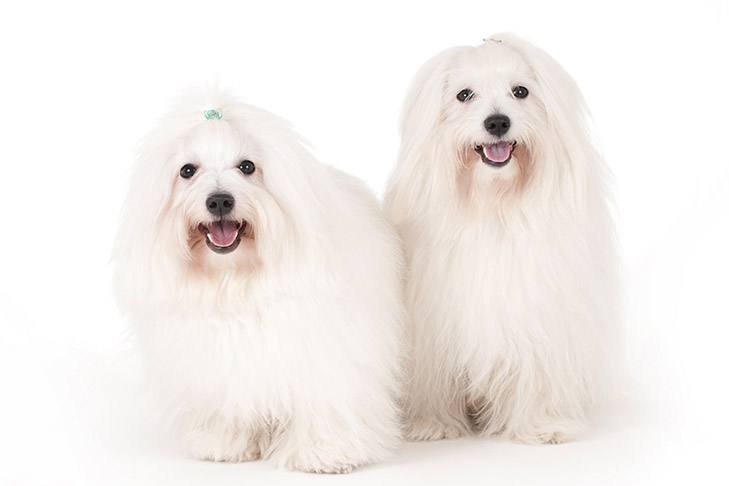
Are Coton de Tulears Easy to Train?
The short answer is yes — Coton de Tulears score a solid 4 out of 5 for trainability, making them one of the more cooperative small breeds. What most owners don't realize is that this Madagascar native combines intelligence with a genuine desire to please their humans.
Their moderate energy level (3 out of 5) works in your favor during training sessions. Unlike high-energy breeds that struggle to focus, Cotons can maintain attention for reasonable periods without becoming restless or destructive.
You'll notice that Coton de Tulears have minimal barking tendencies (scoring just 1 out of 5), which means you won't be fighting excessive vocalization during training. This quiet nature makes them ideal for apartment living and focused learning sessions.
Here's the thing about training small dogs weighing 9-15 pounds — their size can work against them if you're not careful. Many owners inadvertently baby their Cotons, leading to inconsistent boundaries and mixed messages during training.
Best Training Methods for Coton de Tulears
Positive reinforcement is your golden ticket with Coton de Tulears. These sensitive souls respond beautifully to praise, treats, and gentle guidance, but can shut down completely with harsh corrections or raised voices.
Food motivation works exceptionally well with this breed. Use small, high-value treats that won't upset their delicate digestive systems — think tiny pieces of cooked chicken or freeze-dried liver. Keep treats smaller than your pinky nail to prevent overfeeding during extended sessions.
Session timing matters more than you might think. Cotons have good attention spans but benefit from 5-10 minute training bursts rather than marathon sessions. Their moderate energy level means they can handle 2-3 short sessions throughout the day without becoming overwhelmed.
Clicker training works particularly well with Coton de Tulears because it provides clear, consistent communication. The precise timing helps them understand exactly which behavior earned the reward, accelerating the learning process.
Voice tone is crucial with this breed. Use a cheerful, encouraging voice for commands and praise. Their sensitive nature means they pick up on your emotional state, so staying positive and patient yields the best results.
Coton de Tulear Puppy Training Essentials
Start with the basics immediately — sit, stay, come, and down form the foundation of all future training. Coton puppies are eager learners, so you can begin teaching these commands as early as 8-10 weeks old.
House training typically takes 4-6 months with consistent effort. Their small bladders mean more frequent potty breaks — every 1-2 hours for young puppies. Create a strict schedule and stick to it religiously. Take your Coton outside first thing in the morning, after meals, after naps, and before bedtime.
Crate training is essential for this breed. Choose a crate just large enough for your adult Coton (approximately 24-30 inches) and use dividers while they're growing. Their cotton-like coat can overheat easily, so ensure proper ventilation and avoid placing the crate in direct sunlight.
Socialization windows close quickly — between 3-14 weeks is critical for Coton puppies. Expose them to various people, sounds, surfaces, and experiences during this period. Their excellent scores with children (5 out of 5) and other dogs (5 out of 5) suggest they're naturally social, but early exposure cements these positive traits.
Leash training requires patience with small breeds. Start with a lightweight harness rather than a collar to protect their delicate neck. Practice indoors first, letting them drag the leash around under supervision before attempting outdoor walks.
Common Coton de Tulear Behavior Challenges
Separation anxiety tops the list of behavioral issues with Cotons. Their strong bond with family members can lead to destructive behavior when left alone. Start independence training early by gradually increasing alone time from just a few minutes to several hours.
Small dog syndrome affects many Cotons whose owners fail to establish consistent boundaries. Despite their 9-15 pound size, these dogs need the same rules and structure as larger breeds. Don't let cute factor override consistent training.
Resource guarding can develop if not addressed early. Teach your Coton that human hands near their food, toys, or favorite spots are positive experiences. Practice the "drop it" and "leave it" commands regularly using high-value rewards.
Jumping on people is common with enthusiastic Cotons. Their moderate energy level means they get excited when meeting new people, but jumping should never be tolerated. Train an alternative behavior like sitting for greetings instead.
Excessive dependence can become problematic if your Coton follows you everywhere and can't settle independently. Create designated rest areas and teach a "place" command where they must stay on their bed or mat for increasing durations.
Some Cotons develop selective hearing, especially outdoors where interesting smells and sights compete for attention. Practice recall training in increasingly distracting environments, always using positive reinforcement when they respond correctly.
Advanced Training Opportunities
Don't underestimate your Coton's potential beyond basic obedience. Their high trainability score and moderate energy level make them excellent candidates for various dog sports and activities.
Agility training works well with Cotons, though you'll need equipment scaled for small dogs. Their athletic ability surprises many people — these aren't just lap dogs. Start with low jumps and simple obstacles, building confidence gradually.
Trick training taps into their intelligence and desire to please. Cotons excel at learning entertaining behaviors like spinning, playing dead, or fetching specific items. These mental challenges help satisfy their need for stimulation.
Therapy dog work suits many Cotons perfectly. Their gentle nature, minimal barking, and excellent social scores make them ideal for visiting hospitals, nursing homes, or schools. Professional evaluation and certification are required, but many Cotons pass with flying colors.
Rally obedience and competitive obedience provide structured challenges for ambitious owners. Cotons can compete successfully in these sports, though their small size means careful attention to equipment and course design.
Scent work activities engage their natural abilities and provide mental stimulation. Hide treats or toys around the house and encourage your Coton to find them using their nose rather than their eyes.
Troubleshooting Common Training Problems
When your Coton seems to "forget" commands they knew perfectly, the issue is usually motivation or distraction rather than memory loss. Increase the value of your rewards and reduce environmental distractions until they're successful again.
Stubborn behavior often indicates boredom or lack of clear communication. Cotons are intelligent enough to get creative when they don't understand what you want. Break complex behaviors into smaller steps and celebrate small victories.
Fear-based responses require extra patience. If your Coton becomes anxious or shuts down during training, you're likely pushing too hard or too fast. Back up to a level where they feel confident and rebuild slowly.
Inconsistent results between family members usually stem from different training approaches. Everyone in the household must use the same commands, rewards, and expectations. Hold family training meetings to ensure consistency.
Regression after successful training can happen during adolescence (6-18 months) or times of stress. Don't panic — return to basics and reinforce foundation behaviors. This phase typically passes with consistent, patient handling.
If your Coton becomes food-focused to the point of ignoring commands, you may be over-relying on treats. Gradually incorporate praise, play, and life rewards (like going outside) to create a more balanced motivation system.
Professional Training for Coton de Tulears
Ready to unlock your Coton's full potential? Professional training courses designed for small breeds can accelerate your progress and address breed-specific challenges.
Socialization Tips for Coton de Tulears
Your Coton's natural social tendencies are a huge advantage — their perfect scores with children and other dogs mean you're working with excellent raw material. However, proper socialization still requires intentional effort and planning.
Introduce your Coton to children of all ages, but supervise interactions carefully. Teach children how to approach and handle small dogs properly — no grabbing, lifting without support, or rough play. Cotons typically adore kids but need protection from overzealous handling.
Dog-to-dog socialization should be gradual and positive. Start with calm, well-behaved dogs in controlled environments. Puppy kindergarten classes provide excellent socialization opportunities with dogs of similar age and energy levels.
Expose your Coton to various environments — busy streets, quiet parks, pet-friendly stores, and different surfaces like grass, concrete, sand, and gravel. Their cotton-like coat can pick up debris easily, so check and clean their fur after outdoor adventures.
Sound socialization prevents noise phobias later in life. Play recordings of thunderstorms, fireworks, vacuum cleaners, and city sounds at low volumes while engaging in positive activities like feeding or playing.
Car rides should start early and be associated with positive experiences. Many Cotons enjoy car travel, but motion sickness can develop if not properly introduced. Start with short trips to fun destinations like parks or pet stores.