
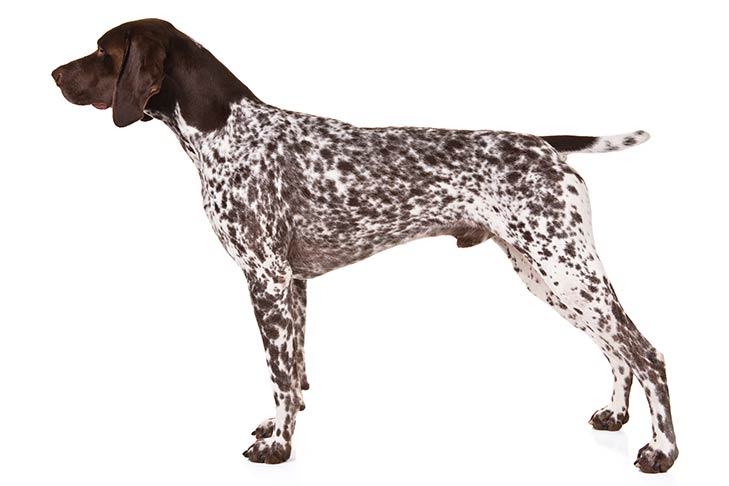
How Much Should a German Shorthaired Pointer Eat?
German Shorthaired Pointers are high-energy athletes that need substantial nutrition to fuel their active lifestyle. With an energy score of 5 out of 5, these sporting dogs burn calories at a much faster rate than sedentary breeds.
The amount your GSP needs depends on their age, weight, activity level, and metabolism. Adult German Shorthaired Pointers typically weigh between 55-70 pounds and require 2.5-3.5 cups of high-quality dry food daily, divided into two meals.
What most owners don't realize is that working or highly active GSPs may need up to 50% more food than the standard recommendations. You'll notice that your dog's individual needs may vary significantly based on their exercise routine and body condition.
German Shorthaired Pointer Feeding Chart
| Age | Weight Range | Daily Amount (cups) | Meals/Day |
|---|---|---|---|
| Puppy (2-6 months) | 15-35 lbs | 1.5-2.5 | 3-4 |
| Puppy (6-12 months) | 35-55 lbs | 2.5-3.5 | 2-3 |
| Adult (1-8 years) | 55-70 lbs | 2.5-3.5 | 2 |
| Senior (8+ years) | 55-70 lbs | 2.0-3.0 | 2 |
Nutritional Needs for German Shorthaired Pointers
These athletic dogs require a protein-rich diet to maintain their lean muscle mass and support their hunting instincts. Look for foods with at least 22-26% protein for adults and 26-30% for puppies.
Fat content should range from 12-16% for adults, providing essential fatty acids for coat health and sustained energy. German Shorthaired Pointers benefit from moderate fat levels that won't weigh them down during active pursuits.
Here's the thing about carbohydrates for GSPs: they need easily digestible sources like sweet potatoes, brown rice, or oats to fuel their high activity levels. Avoid foods with excessive fillers or by-products that don't provide nutritional value.
Best Types of Food for German Shorthaired Pointers
High-quality dry kibble remains the most convenient and balanced option for most German Shorthaired Pointer owners. Look for formulas designed for active or sporting breeds that provide concentrated nutrition without excessive bulk.
Wet food can be mixed with kibble to increase palatability and hydration, especially beneficial for dogs that don't drink enough water. The additional moisture helps with digestion and can make meals more satisfying.
Raw diets are popular among some GSP owners, particularly those with working dogs. However, raw feeding requires careful planning to ensure nutritional balance and safe handling practices. You'll need to research thoroughly and possibly consult a veterinary nutritionist.
Recommended Food for German Shorthaired Pointers
Find high-quality dog foods formulated for active sporting breeds like the German Shorthaired Pointer.
Feeding Schedule by Life Stage
German Shorthaired Pointer puppies under 6 months should eat 3-4 times daily to support their rapid growth and prevent hypoglycemia. Their small stomachs can't handle large meals, so frequent feeding is essential.
From 6-12 months, transition to 2-3 meals per day as your puppy's stomach capacity increases. This is also when you'll gradually switch from puppy to adult food, usually around 12-18 months depending on your dog's development.
Adult GSPs do best with two meals daily, typically morning and evening. This schedule helps prevent bloat, a serious condition that can affect deep-chested breeds. Avoid feeding immediately before or after intense exercise.
Senior German Shorthaired Pointers (8+ years) may benefit from smaller, more frequent meals as their metabolism slows and digestion becomes less efficient.
Signs of Feeding Issues
Monitor your German Shorthaired Pointer's body condition regularly by feeling for their ribs. You should be able to feel the ribs easily without pressing hard, but they shouldn't be visible from a distance.
A dull coat, low energy levels, or digestive upset can indicate nutritional deficiencies or food sensitivities. German Shorthaired Pointers with proper nutrition should have glossy coats and abundant energy for their daily activities.
Weight gain is common in less active GSPs or those overfed for their activity level. You'll notice that even a few extra pounds can significantly impact their athletic performance and joint health.