
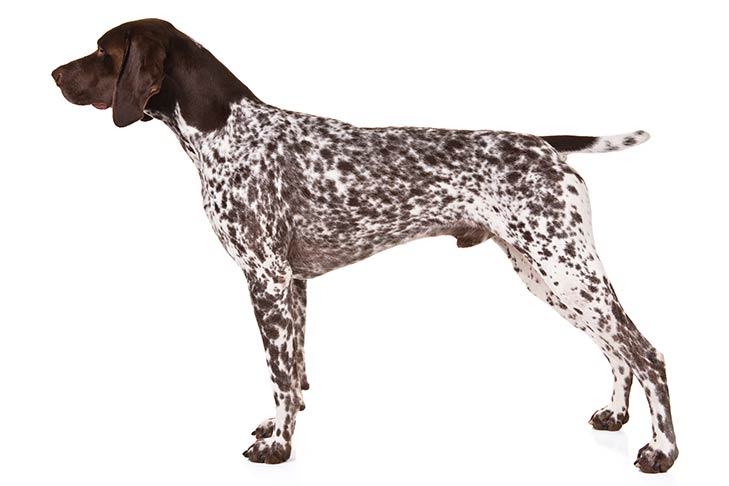
Are German Shorthaired Pointers Easy to Train?
German Shorthaired Pointers score a perfect 5 out of 5 for trainability, making them one of the most intelligent and responsive dog breeds. Originally bred for hunting, these dogs possess natural problem-solving abilities and an eagerness to work with their handlers.
Their high intelligence means they learn commands quickly, but it also means they can become bored with repetitive training sessions. What most owners don't realize is that GSPs need mental challenges just as much as physical exercise to stay engaged during training.
The breed's sporting background gives them an advantage in training scenarios. They're naturally inclined to please their owners and respond well to structured learning environments. However, their high energy level (scoring 5 out of 5) means training sessions need to be dynamic and engaging to hold their attention.
You'll notice that GSPs often anticipate commands before you give them, which shows their intelligence but can also lead to impulsive behavior if not properly channeled. This makes consistency in training methods absolutely crucial for success.
Best Training Methods for German Shorthaired Pointers
Positive reinforcement works exceptionally well with German Shorthaired Pointers due to their eagerness to please and food motivation. Use high-value treats, praise, and play as rewards to keep them engaged and motivated throughout training sessions.
Short, Frequent Sessions Work Best
Keep training sessions between 10-15 minutes to match their attention span and prevent mental fatigue. GSPs learn best with multiple short sessions throughout the day rather than one long training period. This approach prevents boredom and maintains their enthusiasm for learning.
Incorporate Physical Activity
Combine training with physical exercise to address their high energy needs. Practice recall commands during fetch games or work on heel training during walks. This dual approach helps burn energy while reinforcing important behaviors.
Use Their Hunting Instincts
Leverage their natural pointing and retrieving instincts in training exercises. Hide treats around the yard for "find it" games, or use retrieving exercises to teach drop-it and stay commands. These activities feel like play to your GSP while building obedience skills.
Consistency Across Family Members
Ensure all family members use the same commands and reward systems. GSPs are smart enough to notice inconsistencies and may try to exploit different rules with different people. Establish clear household training protocols that everyone follows.
German Shorthaired Pointer Puppy Training Essentials
Start training your GSP puppy as early as 8 weeks old when they're most receptive to learning. Begin with basic commands like "sit," "stay," "come," and "down" using positive reinforcement techniques.
House Training Timeline
GSP puppies typically master house training between 4-6 months with consistent effort. Take them outside every 2-3 hours and immediately after meals, naps, and play sessions. Their intelligence helps them understand the routine quickly, but accidents are normal during the learning process.
Crate Training Benefits
Crate training provides a safe space for your energetic GSP puppy and aids in house training. Choose a crate large enough for them to stand and turn around comfortably, considering their adult size of 55-70 pounds. Make the crate positive by feeding meals inside and providing comfortable bedding.
Early Socialization Window
The critical socialization period occurs between 3-14 weeks of age. Expose your GSP puppy to various people, animals, sounds, and environments during this time. Their good compatibility with children (scoring 5 out of 5) and moderate compatibility with other dogs (4 out of 5) makes early socialization crucial for developing these positive traits.
Bite Inhibition Training
Teach bite inhibition early since GSPs are mouthy due to their retrieving background. When puppy teeth make contact with skin, say "ouch" firmly and redirect to appropriate chew toys. This prevents problematic mouthing behavior as they grow larger.
Common German Shorthaired Pointer Behavior Challenges
Destructive Behavior from High Energy
GSPs with insufficient exercise often become destructive, chewing furniture, digging holes, or destroying household items. Their energy level of 5 out of 5 means they need substantial daily exercise before training sessions will be effective. A tired GSP is a trainable GSP.
Excessive Barking Issues
With a moderate barking tendency (3 out of 5), some GSPs develop excessive barking habits, especially when bored or under-stimulated. Address this by teaching a "quiet" command using positive reinforcement when they stop barking on cue. Never yell at a barking GSP, as this often escalates the behavior.
Jumping on People
Their friendly nature and size (23-25 inches tall) make jumping a common problem. Train an alternative greeting behavior like "sit" for attention. Have visitors ignore jumping behavior and only give attention when all four paws are on the ground.
Pulling on Leash
Their strong hunting drive and high energy can make leash walking challenging. Use positive reinforcement to reward loose leash walking and consider a front-clip harness for better control. Practice heel training in low-distraction environments before progressing to busier areas.
Separation Anxiety
GSPs form strong bonds with their families and may develop separation anxiety if left alone frequently. Gradually increase alone time and provide mental stimulation toys to keep them occupied. Create positive associations with departures by giving special treats only when leaving.
Professional Training for German Shorthaired Pointers
Take your GSP's training to the next level with structured programs designed for high-energy, intelligent breeds. Professional guidance can help you navigate breed-specific challenges and unlock your dog's full potential.
Socialization Tips for German Shorthaired Pointers
Building Positive Dog Relationships
While GSPs score 4 out of 5 for compatibility with other dogs, proper socialization ensures they develop appropriate play styles and social cues. Arrange supervised playdates with well-behaved dogs of various sizes and temperaments.
Watch for their high energy overwhelming smaller or calmer dogs during play. Teach your GSP to read other dogs' body language and respect when playmates need breaks. This prevents conflicts and builds lasting friendships with other dogs.
Excellent with Children
GSPs score a perfect 5 out of 5 with children, making them outstanding family dogs when properly socialized. However, their size and energy require teaching gentle behavior around small children. Practice calm greetings and controlled play to prevent accidental knockdowns.
Teach children how to interact appropriately with your GSP, including not disturbing them while eating or sleeping. Supervise interactions with very young children until your GSP learns to moderate their enthusiasm.
Exposure to Various Environments
Take your GSP to different locations regularly - parks, pet stores, outdoor cafes, and busy streets. Their hunting background makes them naturally adaptable, but early exposure prevents fear-based reactions to new situations.
Practice training commands in various environments to ensure reliability. A GSP that only obeys at home isn't fully trained. Gradually increase distractions as their response to commands becomes more reliable.