
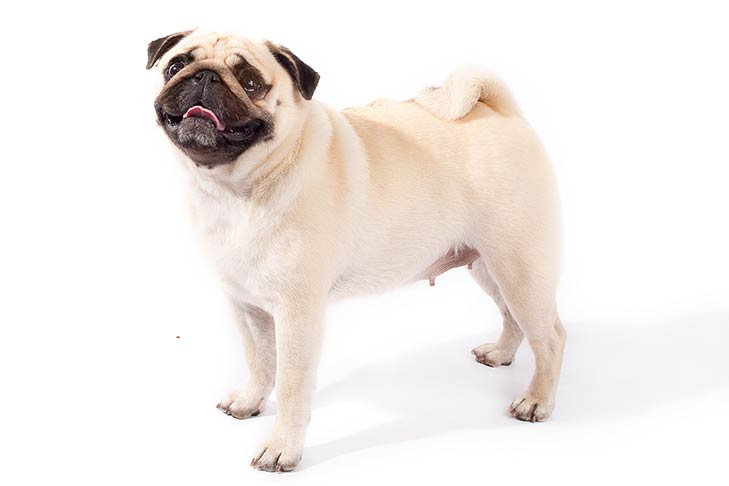
Understanding Your Pug's Coat and Shedding Patterns
Pugs have a distinctive double coat that consists of a soft, dense undercoat beneath a shorter, coarser outer layer. This coat structure helps explain why pug grooming requires consistent attention, even though their grooming needs score rates at just 2 out of 5.
What most owners don't realize is that Pugs are actually significant shedders, scoring 4 out of 5 on the shedding scale. Their short coat might look low-maintenance, but these compact dogs lose hair year-round with two major shedding seasons in spring and fall.
The shedding becomes more noticeable because Pug hair tends to stick to furniture, clothing, and carpets. You'll notice that their light-colored hairs show up particularly well on dark fabrics, while their darker hairs are visible on light surfaces.
During peak shedding periods, expect to find Pug hair throughout your home daily. Regular grooming helps manage this natural process and keeps your furniture from becoming completely covered in fur.
Brushing Your Pug: Frequency and Technique
Daily brushing is the most effective way to manage pug shedding and keep their coat healthy. A consistent brushing routine removes loose undercoat before it ends up on your furniture and helps distribute natural oils throughout their fur.
The best brush types for Pugs include rubber curry brushes, slicker brushes, and deshedding tools. Rubber curry brushes work exceptionally well on Pug coats because they grab loose hair effectively while providing a gentle massage that most Pugs enjoy.
Start brushing at the head and work your way back toward the tail, using gentle circular motions. Pay special attention to areas where hair tends to mat or accumulate, including behind the ears, under the legs, and around the tail area.
During shedding season, you might need to brush twice daily to stay ahead of the hair loss. The short answer is that more frequent brushing during these periods actually reduces the total time spent cleaning up loose hair around your home.
Always brush in the direction of hair growth, and be gentle around sensitive areas like the face and belly. Most Pugs learn to enjoy their brushing sessions when introduced to the routine gradually with positive reinforcement.
Bathing Your Pug: Finding the Right Balance
Pugs typically need baths every 6-8 weeks, though this can vary based on their activity level and skin condition. Their natural coat oils help protect their skin, so over-bathing can strip these essential oils and cause irritation.
Here's the thing about Pug bathing: their facial wrinkles require daily cleaning, but their body doesn't need frequent washing unless they've gotten particularly dirty or smelly. Some Pugs with sensitive skin may need special shampoos or less frequent bathing.
When you do bathe your Pug, use lukewarm water and a gentle, dog-specific shampoo. Avoid getting water in their ears, and be extra careful around their prominent eyes. The flat face structure of Pugs makes them more susceptible to water getting into their airways.
After bathing, thoroughly dry your Pug with towels and ensure their facial wrinkles are completely dry. Trapped moisture in the wrinkles can lead to bacterial infections and unpleasant odors.
Some owners find that waterless shampoos or grooming wipes work well for spot cleaning between full baths, especially for maintaining that fresh smell without the stress of a complete bath.
Essential Pug Care: Nails, Ears, and Teeth
Beyond coat care, pug grooming includes several other important maintenance tasks that keep your dog healthy and comfortable. These routine care items should be part of every Pug owner's regular schedule.
Nail trimming should happen every 2-3 weeks for most Pugs, though some dogs may need more frequent attention if their nails grow quickly. You'll hear clicking sounds when they walk on hard surfaces if their nails are too long.
Ear cleaning deserves special attention in Pugs because their ear shape can trap dirt and moisture. Weekly ear checks help prevent infections and catch problems early.
- Trim nails every 2-3 weeks using proper dog nail clippers
- Clean ears weekly with a veterinarian-approved ear cleaner
- Brush teeth 2-3 times per week with dog-specific toothpaste
- Clean facial wrinkles daily with a damp cloth or specialized wipes
- Check and clean between toe pads where dirt can accumulate
- Inspect skin folds for redness, irritation, or unusual odors
Professional Grooming for Pugs
Most Pugs don't require professional grooming as frequently as longer-haired breeds, but many owners find value in occasional professional services. A professional groomer can handle nail trims, ear cleaning, and thorough baths more efficiently than home care.
Professional grooming every 8-12 weeks works well for most Pugs, especially during heavy shedding seasons when a professional deshedding treatment can dramatically reduce loose hair. Groomers have specialized tools that can remove more undercoat than typical home brushing.
The cost for professional Pug grooming typically ranges from $40-80 depending on your location and the services included. Basic packages usually include bath, brush-out, nail trim, and ear cleaning.
Some Pugs benefit from professional services if they have skin conditions, mobility issues that make home grooming difficult, or if their owners lack confidence with nail trimming. Professional groomers can also spot potential health issues early.
What most owners don't realize is that regular professional grooming can actually extend the time between visits by maintaining coat health and teaching proper techniques you can replicate at home.
Essential Grooming Tools for Pug Care
Having the right tools makes pug grooming much more effective and enjoyable for both you and your dog. Quality tools last longer and work better than cheap alternatives, making them a worthwhile investment.
For brushing, rubber curry brushes excel at grabbing Pug hair and are gentle enough for daily use. Slicker brushes work well for final touch-ups and removing any remaining loose hair after the curry brush.
Deshedding tools can be helpful during peak shedding seasons, but use them sparingly to avoid irritating your Pug's skin. These tools are designed to reach the undercoat and can remove significant amounts of loose hair quickly.
Nail care requires proper dog nail clippers - either guillotine or scissor type work well for Pugs. Having styptic powder on hand helps in case you accidentally cut the quick.
For wrinkle care, soft cloths, cotton balls, and specialized wrinkle wipes make daily cleaning easier. Some owners prefer unscented baby wipes, while others use products specifically designed for dog wrinkle care.
Ear cleaning requires cotton balls or pads and a veterinarian-approved ear cleaning solution. Never use cotton swabs in your Pug's ears as they can push debris deeper or cause injury.
Pug Grooming Schedule
| Task | Frequency | Notes |
|---|---|---|
| Daily brushing | Every day | Essential during shedding season |
| Wrinkle cleaning | Daily | Critical for preventing infections |
| Bathing | Every 6-8 weeks | More often if needed |
| Nail trimming | Every 2-3 weeks | Watch for clicking sounds |
| Ear cleaning | Weekly | Check for odor or discharge |
| Dental care | 2-3 times per week | Daily is ideal |
| Professional grooming | Every 8-12 weeks | Optional but helpful |
Grooming Essentials for Pugs
Get the right tools to keep your Pug's coat healthy and manage their shedding effectively.