
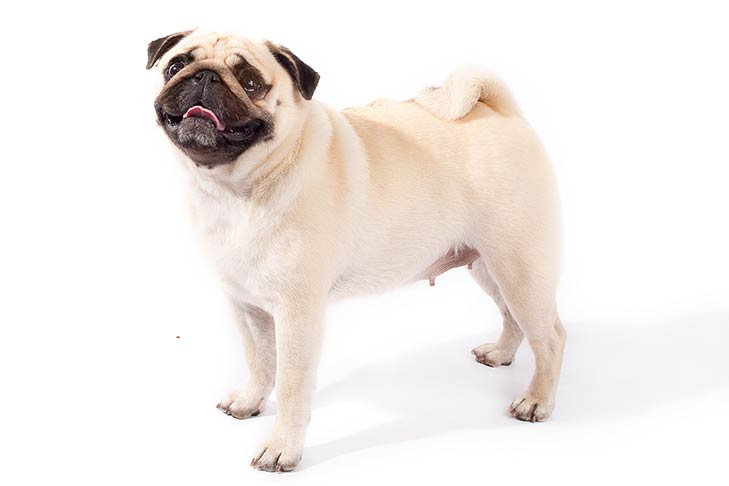
How Long Do Pugs Live?
Pugs have a life expectancy of 12-15 years, which is typical for small dog breeds. Many Pugs live well into their teens with proper care and attention to their unique health needs.
Several factors influence a Pug's lifespan, including genetics, diet, exercise, and preventive healthcare. Their compact size of 14-18 pounds gives them an advantage over larger breeds, as smaller dogs generally live longer.
What most owners don't realize is that maintaining a healthy weight is crucial for Pugs. Extra pounds put additional stress on their already compromised breathing and can lead to joint problems as they age.
Common Pug Health Issues
While Pugs are generally healthy dogs, their flat-faced structure and genetic background make them prone to certain conditions. Early recognition and proper veterinary care can help manage these issues effectively.
Here are the most common pug health issues to watch for:
Preventive Care Checklist for Pugs
Regular preventive care is the best way to keep your Pug healthy throughout their 12-15 year lifespan. Here's what every Pug owner should prioritize:
- Annual veterinary exams with breathing assessment
- Daily cleaning of facial wrinkles and eye area
- Weight management through proper diet and portion control
- Regular dental care to prevent tooth loss
- Eye protection during outdoor activities
- Temperature monitoring during hot weather
- Moderate exercise appropriate for flat-faced breeds
- Up-to-date vaccinations and parasite prevention
Genetic Testing & Screening for Pugs
Responsible Pug breeders often conduct health testing to reduce the risk of inherited conditions. If you're getting a puppy, ask about parental health clearances.
Common tests for Pugs include eye examinations by veterinary ophthalmologists and genetic testing for conditions like Progressive Retinal Atrophy (PRA). Some breeders also test for Pug Dog Encephalitis (PDE), a rare but serious neurological condition.
For adult Pugs, regular health screenings help catch problems early. Your vet may recommend specific tests based on your dog's age, symptoms, or family history.
Is Pet Insurance Worth It for Pugs?
Given the potential for breathing problems, eye issues, and other pug health concerns, many owners find pet insurance valuable. Emergency surgeries for conditions like BOAS correction or eye injuries can cost thousands of dollars.
The short answer is that insurance works best when you start coverage while your Pug is young and healthy. Pre-existing conditions are typically excluded, so early enrollment gives you the most comprehensive protection.
Consider your budget, your Pug's age, and your comfort level with potential veterinary costs when making this decision.
Protect Your Pug
Pug health issues can be expensive to treat. Compare pet insurance options to find coverage that fits your budget and gives you peace of mind.