
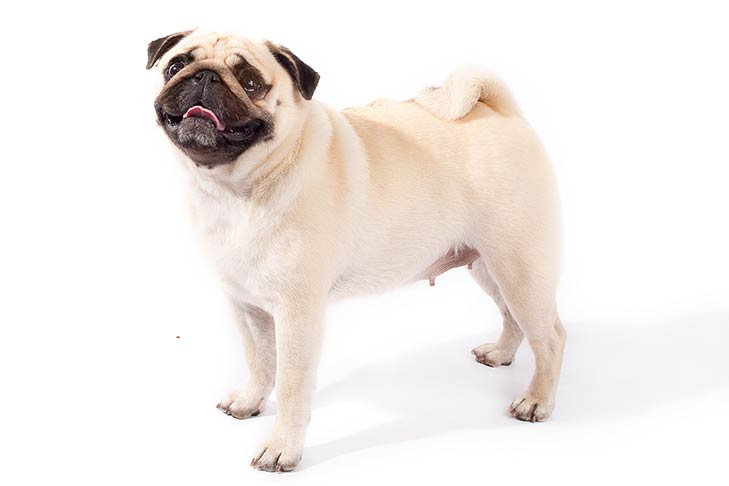
Are Pugs Easy to Train?
The short answer is yes — Pugs score an impressive 4 out of 5 for trainability, making them one of the more cooperative toy breeds. Their history as companion dogs to Chinese imperial courts means they're naturally attuned to human interaction and eager to please.
What most owners don't realize is that Pug training success depends heavily on motivation. These food-loving dogs respond exceptionally well to treat-based training, but their moderate energy level (3/5) means they prefer shorter, more frequent sessions over lengthy training marathons.
You'll notice that Pugs have a naturally low barking tendency (1/5), which actually makes training easier since you won't be competing with excessive vocalization. Their calm demeanor allows them to focus better during training sessions compared to more reactive breeds.
Best Pug Training Methods
Positive reinforcement is absolutely essential for Pug training. These sensitive dogs shut down quickly with harsh corrections, but they'll work tirelessly for the right motivation. Food rewards are your secret weapon — Pugs are notoriously food-motivated, making treat training incredibly effective.
Keep training sessions short and sweet, ideally 5-10 minutes at a time. Their moderate energy level means they can focus well, but they also tire more easily than high-energy breeds. Multiple short sessions throughout the day work better than one long session.
Training Session Structure:
- Warm up with a known command
- Introduce one new skill per session
- Use high-value treats (small pieces to prevent overfeeding)
- End on a positive note with a successful command
- Always include play time after training
Consistency is crucial with Pugs. They're smart enough to test boundaries, so everyone in your household needs to use the same commands and rules. Their charming personality can be manipulative — don't let those big eyes convince you to skip training requirements.
Pug Puppy Training Essentials
Start Pug training early, ideally between 8-16 weeks when their brains are most adaptable. Focus on these fundamental commands first: sit, stay, come, and down. These form the foundation for all future training and tap into their natural eagerness to please.
House Training Timeline:
Pug puppies typically master house training between 4-6 months with consistent effort. Their small size means smaller bladders, so expect more frequent potty breaks initially. Take them out every 2-3 hours, immediately after meals, and first thing in the morning.
Crate training works exceptionally well for Pugs since they enjoy having their own cozy space. Choose a crate just large enough for them to stand, turn around, and lie down — too large and they might use one end as a bathroom.
Socialization is critical during the puppy phase. Pugs score 5/5 with children and 4/5 with other dogs, but this natural friendliness needs to be nurtured through positive experiences. Introduce them to various people, sounds, and environments gradually to build confidence.
Common Pug Behavior Challenges
Food Guarding and Overeating
Pugs' food obsession can lead to guarding behaviors if not addressed early. Practice taking their bowl away during meals and giving it back immediately with an extra treat. This teaches them that human hands near food mean good things happen.
Their love of food also means they're prone to begging and counter surfing. Establish clear boundaries about when and where feeding happens. Never feed from the table or give in to those pleading eyes during your meals.
Separation Anxiety
As companion breeds, Pugs can develop separation anxiety if left alone too frequently. Start with very short departures (5-10 minutes) and gradually increase the time. Leave them with puzzle toys or frozen Kong toys to keep their minds occupied.
Stubbornness Despite High Trainability
While Pugs score well for trainability, they can be selectively stubborn about commands they find boring or unrewarding. If your Pug suddenly "forgets" a command, check your motivation system — you might need higher-value treats or more enthusiasm in your delivery.
Attention-Seeking Behaviors
Pugs are natural entertainers and may develop attention-seeking behaviors like pawing, nudging, or dramatic sighing. Ignore these behaviors completely and only give attention when they're calm and quiet. Consistency is key — any attention (even negative) reinforces the behavior.
Professional Training for Pugs
Ready to take your Pug's training to the next level? Explore structured training courses designed specifically for toy breeds and their unique learning styles.