
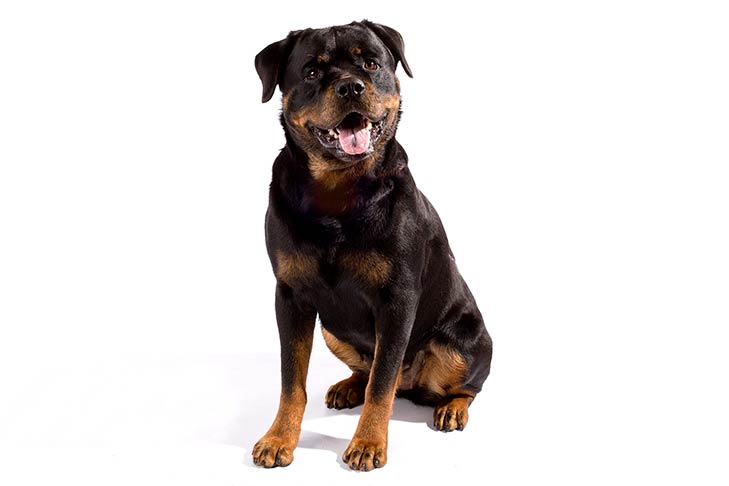
Rottweiler Coat Type and Shedding
Rottweilers have a short, dense double coat that's designed for protection and weather resistance. The outer guard hairs are coarse and straight, while the undercoat provides insulation and warmth.
With a shedding score of 3 out of 5, Rottweilers are moderate shedders. You'll notice that they shed consistently year-round, with heavier shedding periods during spring and fall when they "blow" their coat. The short hair means less visible fur around your home compared to long-haired breeds.
What most owners don't realize is that this double coat serves a crucial purpose. The outer layer repels dirt and moisture, while the undercoat regulates body temperature. Never shave a Rottweiler's coat completely, as this disrupts their natural cooling and heating system.
Brushing Your Rottweiler
With a grooming needs score of just 1 out of 5, Rottweilers require minimal brushing compared to most breeds. A weekly brushing session is typically sufficient to remove loose hair and distribute natural oils.
During shedding seasons (spring and fall), increase brushing to 2-3 times per week. Use firm, gentle strokes and brush in the direction of hair growth. Start at the head and work your way back, paying special attention to areas where the undercoat is thickest.
The best brush types for Rottweilers include a slicker brush for removing loose undercoat and a bristle brush for finishing. A deshedding tool can be helpful during heavy shedding periods, but use it sparingly to avoid damaging the coat.
Here's the thing about Rottweiler brushing technique: these dogs have sensitive skin despite their tough appearance. Use gentle pressure and watch for any signs of irritation. Most Rottweilers enjoy the bonding time that comes with regular brushing sessions.
Bathing Your Rottweiler
Rottweilers need baths only when they're visibly dirty or smelly, typically every 6-8 weeks. Their natural coat oils provide protection against dirt and moisture, so over-bathing can strip these essential oils and cause skin problems.
Active Rottweilers who spend lots of time outdoors may need more frequent baths, while indoor dogs can go longer between washes. You'll notice that their short coat dries quickly, making bath time less of a production than with longer-haired breeds.
Use lukewarm water and a mild dog shampoo designed for double coats. Avoid human shampoos, which can disrupt the pH balance of their skin. Rinse thoroughly to prevent soap residue, which can cause irritation and itching.
The short answer is that less is more when it comes to bathing Rottweilers. Their coat is naturally self-cleaning to some degree, and frequent washing can actually make them dirtier by removing protective oils.
Nail, Ear, and Dental Care for Rottweilers
Beyond coat care, Rottweilers need regular attention to nails, ears, and teeth. These large, active dogs wear down their nails naturally through exercise, but most still need monthly trims.
Rottweiler ears are naturally floppy, which can trap moisture and debris. Check and clean them weekly with a veterinarian-approved ear cleaner. Never use cotton swabs deep in the ear canal.
Dental care is crucial for this breed's overall health. Daily tooth brushing is ideal, but even 2-3 times per week makes a significant difference in preventing dental disease.
- Trim nails every 3-4 weeks or when you hear clicking on hard floors
- Clean ears weekly with appropriate cleaner and cotton balls
- Brush teeth 2-3 times per week minimum, daily is best
- Watch for signs of ear infection: odor, excessive scratching, or discharge
- Use dog-specific toothpaste - human toothpaste is toxic to dogs
Professional Grooming for Rottweilers
Most Rottweiler owners can handle grooming at home due to the breed's low maintenance needs. Professional grooming isn't necessary for coat health, but some owners choose it for convenience or during heavy shedding seasons.
If you do visit a professional groomer, expect to pay less than you would for high-maintenance breeds. A basic service including bath, nail trim, and ear cleaning typically runs every 8-12 weeks.
What most owners don't realize is that professional groomers can be helpful for nail trims if your Rottweiler is resistant at home. These powerful dogs require confident handling, and experienced groomers know how to work safely with large breeds.
The key is finding a groomer experienced with working breeds who understands that Rottweilers don't need fancy cuts or extensive styling. A simple wash, dry, nail trim, and ear cleaning is usually sufficient.
Essential Grooming Tools for Rottweilers
The right tools make Rottweiler grooming easier and more effective. Since these dogs have short, dense coats, you don't need an extensive collection of brushes and combs.
A quality slicker brush removes loose undercoat effectively, while a bristle brush adds shine and smooths the outer coat. During shedding season, a deshedding tool can help manage the increased hair loss.
For bathing, choose a dog shampoo formulated for double coats or sensitive skin. A rubber grooming mitt can help work the shampoo through their dense coat and remove loose hair during bath time.
Nail care requires heavy-duty clippers designed for large dogs. Rottweilers have thick, strong nails that can dull standard clippers quickly. A nail grinder is an alternative that some dogs tolerate better than clippers.
Rottweiler Grooming Schedule
| Task | Frequency | Notes |
|---|---|---|
| Brushing | Weekly (2-3x during shedding) | Use slicker brush for undercoat |
| Bathing | Every 6-8 weeks or as needed | Don't over-bathe |
| Nail trimming | Every 3-4 weeks | Heavy-duty clippers needed |
| Ear cleaning | Weekly | Check for signs of infection |
| Tooth brushing | 2-3 times per week minimum | Daily is ideal |
| Professional grooming | Optional, every 8-12 weeks | Not necessary for coat health |
Grooming Essentials for Rottweilers
Find the right brushes, shampoos, and grooming tools specifically chosen for Rottweiler coats and grooming needs.