
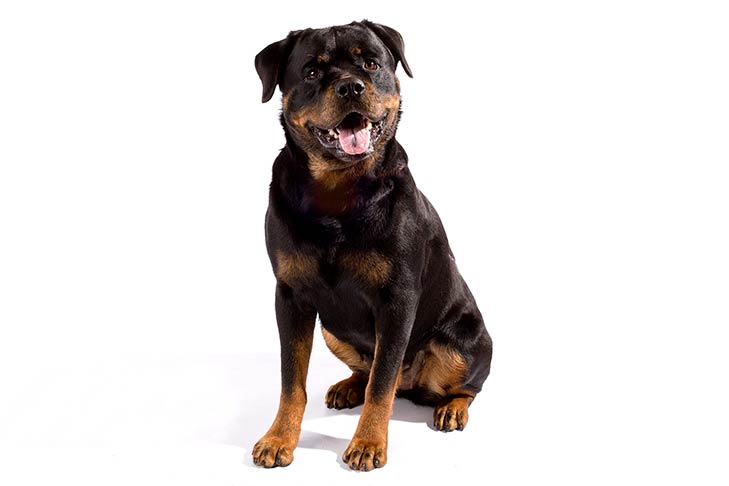
Are Rottweilers Easy to Train?
The short answer is yes — Rottweilers score a perfect 5 out of 5 for trainability, making them one of the most responsive breeds to training. Originally bred in Germany for herding and guarding livestock, these intelligent working dogs have an innate desire to please their handlers and excel at learning complex commands.
What most owners don't realize is that a Rottweiler's high intelligence comes with high expectations. They need mental stimulation and clear, consistent leadership to prevent behavioral issues. Without proper training, their protective instincts and 95-135 pound frame can become problematic.
Their Working Group heritage means Rottweilers thrive when given a job to do. This breed learns quickly but also gets bored easily, so training sessions should be engaging and purposeful. You'll notice that Rottweilers respond better to confident, calm leadership than harsh corrections or inconsistent rules.
Best Training Methods for Rottweilers
Positive reinforcement works exceptionally well with Rottweilers because of their loyal, people-pleasing nature. Use high-value treats, praise, and play as rewards, but vary your motivators to keep training interesting. Food rewards work well, but many Rottweilers are equally motivated by toys, praise, or the opportunity to "work."
Keep training sessions short and focused — 10 to 15 minutes is ideal for puppies, while adult Rottweilers can handle 20-30 minute sessions. Their moderate energy level (3/5) means they don't need marathon training sessions, but they do need consistent daily practice to reinforce commands.
Establish yourself as a calm, confident leader from day one. Rottweilers respect authority but will test boundaries with inconsistent handlers. Use firm but gentle corrections, and always follow through on commands. Never use harsh physical corrections with this breed, as it can damage trust and potentially trigger defensive behaviors.
Key Training Principles:
- Start with basic obedience: sit, stay, come, down, heel
- Use consistent commands and hand signals
- Practice in different environments to generalize learning
- End sessions on a positive note with a successful command
- Incorporate training into daily activities like feeding and walks
Rottweiler Puppy Training Essentials
Start training your Rottweiler puppy the moment they come home, typically around 8 weeks old. The first commands to master are their name, "sit," and "come" — these form the foundation for all future training. Rottweiler puppies are eager learners, so take advantage of their natural curiosity.
House training usually takes 4-6 months with consistent effort. Create a strict schedule for feeding, watering, and potty breaks. Take your puppy outside immediately after meals, naps, and play sessions. Crate training accelerates the process and gives your Rottweiler a safe space to retreat to.
Early socialization is crucial for this protective breed. Expose your Rottweiler puppy to different people, animals, sounds, and environments between 8-16 weeks old. This critical period shapes their adult temperament and prevents fear-based aggression later in life.
Puppy Training Timeline:
- 8-10 weeks: Name recognition, basic handling, crate introduction
- 10-12 weeks: Sit, stay, come commands
- 12-16 weeks: Leash training, extended socialization
- 4-6 months: Advanced commands, impulse control exercises
Common Rottweiler Behavior Challenges
Despite their excellent trainability, Rottweilers can develop specific behavioral issues without proper guidance. Their low barking score (1/5) means excessive barking isn't typically a problem, but they may bark territorially or when alerting to strangers — behaviors that need management, not elimination.
Jumping on people is a common issue with Rottweiler puppies that grows dangerous as they reach their full 95-135 pound adult weight. Start training "four paws on the floor" immediately, and never allow jumping even when it's "cute" in a small puppy. Teach alternative greetings like sitting for attention.
Resource guarding can emerge in Rottweilers due to their protective nature. Practice "trading" exercises where your dog gives up items in exchange for treats. Handle their food bowl, toys, and high-value items regularly while rewarding calm behavior. Never punish growling, as it's your dog's way of communicating discomfort.
Pulling on leash is another challenge with this strong, confident breed. Their moderate energy level means they don't need to sprint, but they do need mental engagement during walks. Use front-clip harnesses and practice "heel" command daily. Make yourself more interesting than the environment by carrying treats and changing direction frequently.
Behavioral Solutions:
- Counter-conditioning for territorial behaviors
- Impulse control exercises for jumping
- "Wait" and "leave it" commands for resource guarding
- Structured walks with frequent direction changes for leash manners
Professional Training for Rottweilers
Take your Rottweiler's training to the next level with expert guidance tailored to working breeds.
Socialization Tips for Rottweilers
Rottweilers score 3 out of 5 for both good with children and good with dogs, indicating they can be excellent family pets with proper socialization. However, their protective instincts and large size require careful, ongoing socialization throughout their lives.
With children, focus on teaching both your Rottweiler and kids appropriate interactions. Rottweilers can be gentle giants, but their size means even playful behavior can accidentally knock down small children. Teach your dog to be calm around kids and supervise all interactions until you're confident in both parties' behavior.
Dog-to-dog socialization requires patience and positive experiences. Start with calm, well-behaved dogs in controlled environments. Rottweilers can be same-sex aggressive, especially males, so early neutering and consistent socialization help prevent issues. Watch for signs of tension and redirect before problems escalate.
Expose your Rottweiler to various people, including men with beards, people in uniforms, children, elderly individuals, and people of different ethnicities. Their protective nature can lead to wariness of "different" looking people without proper exposure.
Socialization Checklist: