
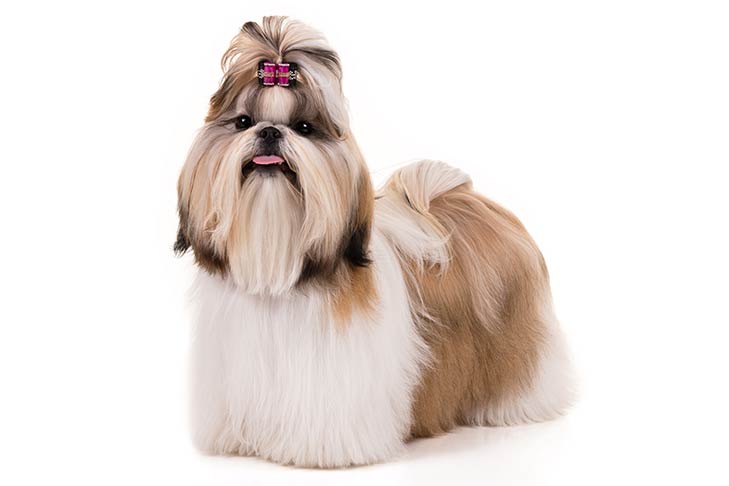
Are Shih Tzus Easy to Train?
The short answer is yes — Shih Tzus are moderately easy to train with a trainability score of 4 out of 5. These intelligent dogs were originally bred in China as companion animals, which means they're naturally inclined to bond with their humans and please them.
What most owners don't realize is that their affectionate and loyal nature actually works in your favor during training. Shih Tzus thrive on positive attention and want to make their families happy, making them responsive to praise-based training methods.
Here's the thing though — their small size and toy breed status means they can develop "small dog syndrome" if not trained properly from the start. With consistent training and clear boundaries, your Shih Tzu will become a well-behaved family member who's excellent with children and other dogs.
Best Training Methods for Shih Tzus
Positive reinforcement is your best friend when training a Shih Tzu. These sensitive dogs respond much better to rewards than harsh corrections or punishment. Use high-value treats, enthusiastic praise, and gentle petting to mark good behavior.
Keep training sessions short and sweet — 5 to 10 minutes at a time works best for this breed. Shih Tzus have moderate energy levels (3 out of 5), so they can focus well but may lose interest in longer sessions. Multiple short sessions throughout the day are more effective than one long training marathon.
Food motivation works wonders with most Shih Tzus. Use small, soft treats that they can eat quickly without breaking their concentration. Many owners find that their Shih Tzu will work harder for special treats like tiny pieces of chicken or cheese rather than regular kibble.
Consistency across all family members is crucial. Since Shih Tzus are so people-focused, they'll quickly learn if different family members have different rules. Make sure everyone uses the same commands and rewards system.
Puppy Training Essentials for Shih Tzus
Start with basic commands immediately when you bring your Shih Tzu puppy home. Begin with "sit," "stay," and "come" — these form the foundation for all other training. Their intelligence means they can start learning as early as 8 weeks old.
House training requires extra patience with Shih Tzus due to their small bladders and toy breed characteristics. Expect the process to take 4 to 6 months, sometimes longer. Take your puppy outside every 2 hours, immediately after meals, and first thing in the morning and last thing at night.
Crate training is especially important for this breed. A properly sized crate becomes their safe space and helps with house training. Choose a crate that's just large enough for them to stand, turn around, and lie down — too big and they might use one corner as a bathroom.
Early socialization is key to preventing behavioral issues later. Expose your Shih Tzu puppy to different people, sounds, sights, and experiences during their critical socialization period (3 to 14 weeks old). Their naturally good temperament with children and other dogs makes this easier than with some breeds.
Common Shih Tzu Training Challenges
Excessive barking can be an issue since Shih Tzus have a moderate barking tendency (3 out of 5). They often bark to alert you to visitors or when they're excited. Teach the "quiet" command early by rewarding them when they stop barking on cue, rather than yelling which can make the problem worse.
Stubbornness during training sessions sometimes surfaces despite their good trainability. If your Shih Tzu seems to "shut down" or ignore you, take a break and try again later. They're sensitive dogs who can become overwhelmed if pushed too hard.
Resource guarding can develop if not addressed early. Some Shih Tzus become possessive of food, toys, or their favorite spot on the couch. Practice "trading" games where you give them something better in exchange for what they have, teaching them that giving up items leads to good things.
Separation anxiety is common in this people-focused breed. Start leaving them alone for very short periods (5-10 minutes) and gradually increase the time. Create positive associations with alone time by giving them special toys or treats that only come out when you leave.
Jumping on people often develops because visitors think it's cute when a small dog jumps. However, this behavior should be discouraged from the start. Teach your Shih Tzu to sit for greetings instead of jumping, and ask visitors to ignore jumping behavior.
Professional Training for Shih Tzus
Need extra help with your Shih Tzu's training? Professional trainers who understand toy breeds can provide personalized guidance for your specific challenges.
Socialization Tips for Shih Tzus
Take advantage of their natural friendliness — Shih Tzus score 5 out of 5 for being good with both children and other dogs. This makes socialization easier than with more reserved or aggressive breeds. However, proper socialization is still essential to maintain these good traits.
Puppy classes are highly recommended for young Shih Tzus. These controlled environments let them interact with other puppies while learning basic obedience. Look for classes that use positive reinforcement methods and have experience with small breeds.
Gradual exposure works best for new experiences. Start with calm, quiet environments and slowly introduce busier settings. A Shih Tzu who's overwhelmed by too much stimulation at once might become fearful or reactive.
Dog parks require careful consideration due to their small size. While they generally get along well with other dogs, they can be injured by larger, more boisterous dogs during play. Consider small-dog-only play groups or carefully supervised interactions with known, gentle dogs.
Positive experiences with children should be prioritized early on. Teach children how to properly interact with your Shih Tzu — gentle petting, no picking up without permission, and respecting the dog's space when eating or sleeping.