
How Much Should a Bulldog Eat?
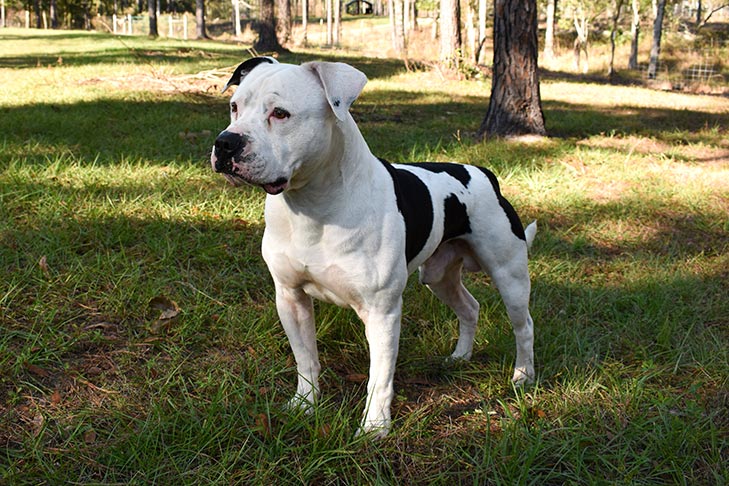
Bulldogs are stocky, muscular dogs weighing 75-100 pounds, which means they need substantial nutrition to maintain their robust build. However, their moderate energy level means they don't require as many calories as more active breeds of similar size.
The amount your Bulldog needs depends on their age, weight, activity level, and metabolism. Most adult Bulldogs thrive on 2-3 cups of high-quality dry food daily, divided into two meals to prevent bloat and aid digestion.
What most owners don't realize is that Bulldogs are prone to weight gain due to their lower activity levels. Monitoring portions carefully is essential to prevent obesity, which can worsen breathing issues common in this flat-faced breed.
Bulldog Daily Feeding Chart
| Age | Weight Range | Daily Amount (cups) | Meals/Day |
|---|---|---|---|
| Puppy (2-6 months) | 15-35 lbs | 1-2 cups | 3-4 |
| Puppy (6-12 months) | 35-65 lbs | 2-2.5 cups | 2-3 |
| Adult (1-7 years) | 75-100 lbs | 2-3 cups | 2 |
| Senior (7+ years) | 75-100 lbs | 1.5-2.5 cups | 2 |
Bulldog Nutritional Needs
Bulldogs need a protein-rich diet to support their muscular build, with at least 22% protein for adults and 28% for puppies. Look for whole meat sources like chicken, beef, or fish as the first ingredient.
Fat content should be moderate (12-15%) to provide energy without promoting weight gain. Bulldogs with their moderate energy score don't need the high-fat diets that working breeds require.
Omega-3 fatty acids are particularly important for Bulldogs to support skin health and reduce inflammation. Their facial folds can be prone to irritation, so good nutrition from the inside out helps maintain healthy skin.
Best Types of Food for Bulldogs
High-quality dry kibble is often the most practical choice for Bulldogs, providing balanced nutrition and helping maintain dental health. Choose kibble with appropriately sized pieces that are easy for their flat faces to pick up and chew.
Wet food can be beneficial for Bulldogs who struggle with dry kibble due to their facial structure. It also adds moisture to their diet, which supports overall hydration and digestion.
Raw diets can work well for Bulldogs, but require careful planning to ensure nutritional balance. The short answer is that any diet you choose should be complete, balanced, and appropriate for your dog's life stage and activity level.
Recommended Food for Bulldogs
Find high-quality dog foods specifically formulated for medium to large breeds with moderate activity levels.
Bulldog Feeding Schedule by Life Stage
Bulldog puppies under 6 months should eat 3-4 small meals daily to support rapid growth and prevent hypoglycemia. Their developing digestive systems handle smaller, frequent meals better than large portions.
Adult Bulldogs do best with two meals per day, typically morning and evening. This schedule helps prevent bloat and maintains steady energy levels throughout the day.
Senior Bulldogs (7+ years) may benefit from slightly smaller, more frequent meals as their metabolism slows. You'll notice that older Bulldogs often have reduced appetites, so monitoring their weight and adjusting portions accordingly becomes even more important.
Signs of Feeding Issues in Bulldogs
Watch for rapid weight gain, which is common in Bulldogs due to their love of food and moderate activity levels. You should be able to feel their ribs without pressing hard, and they should have a visible waist when viewed from above.
Poor coat quality, excessive shedding, or skin irritation around facial folds can indicate nutritional deficiencies or food allergies. Bulldogs are prone to food sensitivities, so these signs shouldn't be ignored.
Digestive issues like frequent loose stools, excessive gas, or vomiting after meals may indicate the food isn't agreeing with your Bulldog. Their flat faces can also make them prone to eating too quickly, leading to digestive upset.