
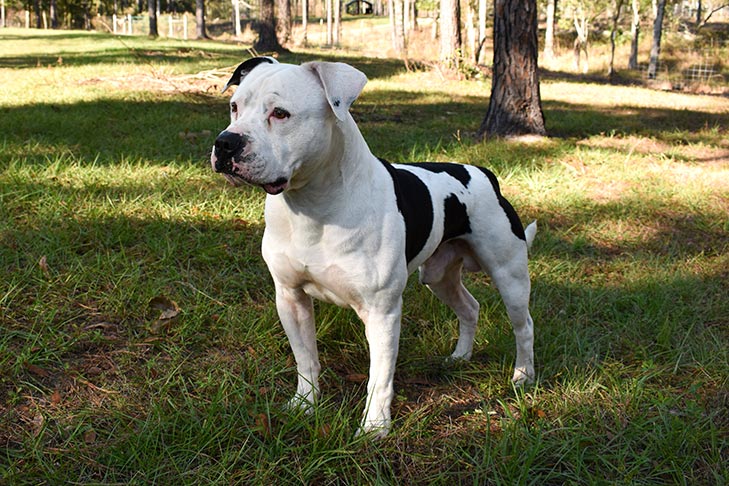
About the Bulldog
The Bulldog is a British breed of mastiff type, also known as the English Bulldog or British Bulldog. This stocky, muscular dog of medium size is instantly recognizable with its large head, thick folds of skin around the face and shoulders, and relatively flat face with a protruding lower jaw.
Originally bred in Britain, Bulldogs have evolved from their working origins to become beloved companion dogs. Their distinctive appearance and gentle nature have made them one of the most recognizable breeds worldwide.
What most owners don't realize is that despite their sometimes intimidating appearance, Bulldogs are known for their calm and friendly disposition. They typically weigh between 75-100 pounds and stand 20-28 inches tall, making them substantial but manageable family pets.
Today's Bulldogs are primarily kept as companion animals, ranking as the 6th most popular breed. Their moderate exercise needs and adaptable nature make them suitable for various living situations, from apartments to larger homes.
Energy Level
Moderate activity needs
Trainability
Good learning ability
Shedding
Light shedding
Barking
Very quiet breed
Child Friendly
Good with kids
Dog Friendly
Gets along with other dogs
Bulldog Temperament & Personality
Bulldogs are known for their calm, gentle, and friendly nature despite their sometimes intimidating appearance. They make excellent family companions with their patient and tolerant personality.
😌Calm & Gentle
Bulldogs have a naturally peaceful disposition and rarely show aggression. They're content to relax and enjoy quiet time with their families, making them excellent indoor companions.
👨👩👧👦Family Oriented
These dogs form strong bonds with their human families and are particularly patient with children. Their loyal nature means they prefer to stay close to their loved ones rather than wander.
🤝Sociable
Most Bulldogs get along well with other dogs and pets when properly socialized. Their non-aggressive nature and moderate energy level make them good candidates for multi-pet households.
🏠Adaptable
Bulldogs adapt well to various living situations and don't require extensive space to be happy. Their moderate exercise needs and calm demeanor suit both apartment living and houses with yards.
Bulldog Grooming Needs
Bulldogs have moderate grooming needs with light shedding that makes maintenance relatively manageable. Their short coat requires regular brushing to remove loose hair and distribute natural oils. The most important aspect of Bulldog grooming is cleaning their facial wrinkles daily to prevent bacterial infections and skin irritation. Regular nail trimming, ear cleaning, and dental care complete their grooming routine.
Full Grooming Guide →Bulldog Health & Lifespan
Bulldogs typically live 8-10 years and can be prone to certain health issues related to their unique physical structure. Their flat face and heavy build require special attention to prevent breathing difficulties and joint problems.
- ⚠️Brachycephalic Airway SyndromeDue to their flat faces, Bulldogs can experience breathing difficulties, especially in hot weather or during exercise. Symptoms include excessive panting, snoring, and exercise intolerance. Talk to your vet if you notice symptoms.
- ⚠️Hip DysplasiaThis genetic condition affects the hip joints and can cause pain, lameness, and mobility issues. Regular vet checkups and maintaining a healthy weight can help manage this condition. Talk to your vet if you notice symptoms.
- ⚠️Skin Fold DermatitisThe wrinkles and folds in a Bulldog's skin can trap moisture and bacteria, leading to infections and irritation. Daily cleaning of facial folds is essential for prevention. Talk to your vet if you notice symptoms.
- ⚠️Cherry EyeThis condition occurs when the gland in the third eyelid becomes prolapsed, appearing as a red mass in the corner of the eye. While not painful, it often requires surgical correction. Talk to your vet if you notice symptoms.
Feeding Your Bulldog
Bulldogs weighing 75-100 pounds require a high-quality diet appropriate for their size and moderate energy level. Due to their tendency toward weight gain and joint issues, portion control is crucial for maintaining optimal body condition. Their flat faces can make eating difficult, so elevated food bowls and smaller kibble sizes often help. Choose foods formulated for medium to large breeds with joint support ingredients like glucosamine and chondroitin.
Full Feeding Guide →Bulldog Exercise Needs
With a moderate energy level, Bulldogs need regular but gentle exercise to maintain their health and prevent obesity. Short walks and brief play sessions work best, as their breathing can be compromised by intense activity or hot weather. Swimming is an excellent low-impact exercise option for Bulldogs, though supervision is essential due to their body structure. You'll notice that most Bulldogs prefer shorter, more frequent activities rather than long exercise sessions.
Training Tips →