
Are Bulldogs Easy to Train?
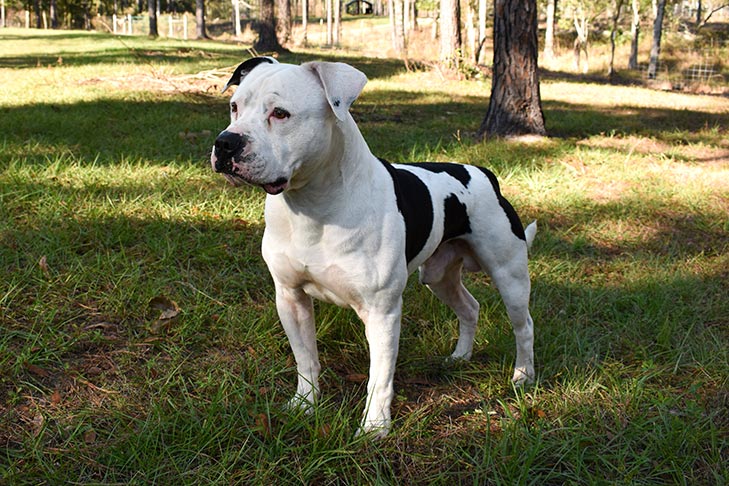
Bulldogs actually score 4 out of 5 for trainability, which surprises many owners who expect stubborn behavior. This British breed of mastiff type responds well to consistent, patient training methods that respect their physical limitations and personality traits.
What most owners don't realize is that Bulldogs are people-pleasers at heart. Their stocky, muscular build and relatively flat face mean they tire more easily than other breeds, but this doesn't diminish their intelligence or willingness to learn. You'll notice that Bulldogs respond best to short, frequent training sessions rather than lengthy ones.
The key to success lies in understanding their moderate energy level (3 out of 5). Unlike high-energy breeds that need intense mental stimulation, Bulldogs prefer steady, methodical learning. Their low barking tendency (1 out of 5) also makes them excellent candidates for apartment training, as they're naturally quieter dogs.
Here's the thing about Bulldog temperament: they're incredibly loyal but can be selective about when they want to engage. This isn't stubbornness—it's their mastiff heritage showing through. They need training that feels rewarding rather than demanding, which is why positive reinforcement works so effectively with this breed.
Best Training Methods for Bulldogs
Positive reinforcement is absolutely essential for Bulldog training success. Their medium-sized, stocky build means they're not built for high-intensity activities, so training rewards should focus on what truly motivates them: food, praise, and comfortable rest periods.
Food motivation works exceptionally well with Bulldogs, but timing is crucial. Keep training sessions to 5-10 minutes maximum, especially in warm weather. Their thick folds of skin around the face and shoulders, combined with their flat face and protruding lower jaw, make them prone to overheating during extended activities.
Consistency beats intensity every time with this breed. You'll get better results with three short sessions per day than one long session. Focus on clear, simple commands delivered in a calm, encouraging tone. Bulldogs respond poorly to harsh corrections or raised voices—their people-pleasing nature means they shut down rather than push through.
The most effective training schedule for Bulldogs includes:
- Morning session (5 minutes): Basic commands when energy is highest
- Afternoon session (5 minutes): Socialization or leash training
- Evening session (5 minutes): Calm activities like "settle" or "place" commands
Remember that their moderate energy level (3 out of 5) means they need mental stimulation without physical exhaustion. Puzzle toys, gentle obedience work, and short walks provide the perfect balance for this British breed.
Bulldog Puppy Training Essentials
Start with the basics: name recognition, "sit," "stay," and "come" should be your first priorities. Bulldog puppies are surprisingly eager to please, and their high trainability score means they'll pick up these commands faster than you might expect.
House training typically takes 4-6 months with consistent effort. Their stocky build means Bulldog puppies may need more frequent potty breaks initially—every 2-3 hours during the day. Create a routine that accounts for their physical needs: short walks to the designated area, immediate praise for success, and patience during setbacks.
Socialization is critical during the 8-16 week window. With moderate scores for getting along with children (3 out of 5) and other dogs (3 out of 5), early exposure helps Bulldogs develop into well-rounded adults. However, their mastiff heritage means they can be naturally protective, so positive associations are essential.
Essential puppy training milestones:
- 8-10 weeks: Name recognition, basic handling (touching paws, mouth, ears)
- 10-12 weeks: "Sit" and "down" commands, leash introduction
- 12-16 weeks: "Stay" command, basic socialization with people and dogs
- 16-20 weeks: Longer "stay" periods, walking on leash without pulling
Keep sessions short and sweet—puppy attention spans are limited, and Bulldogs tire more quickly than other breeds. End each session on a positive note with something your puppy already knows well.
Common Bulldog Behavior Challenges
The most common Bulldog training challenge is selective listening, not true stubbornness. Their moderate energy level (3 out of 5) combined with their mastiff intelligence means they'll often evaluate whether a command is worth their effort. The solution isn't force—it's making obedience more rewarding than ignoring you.
Pulling on walks is another frequent issue. Their stocky, muscular build gives them surprising strength, and their relatively flat face means they don't feel collar pressure the same way other breeds do. Switch to a front-clip harness and focus on loose-leash training with frequent rewards for staying beside you.
Resource guarding can emerge with Bulldogs due to their protective mastiff heritage. This isn't aggression—it's instinct. Practice "drop it" and "leave it" commands from puppyhood, always trading the guarded item for something better. Never try to force something away from a Bulldog; instead, make giving it up their idea.
Separation anxiety sometimes develops because Bulldogs bond so closely with their families. Their low barking tendency (1 out of 5) means they're less likely to be noisy when alone, but they may become destructive instead. Gradual departures, puzzle toys, and creating positive associations with alone time help prevent this issue.
Overexertion during training is a real concern. Watch for heavy panting, excessive drooling, or reluctance to continue. Their thick folds of skin and flat face make temperature regulation challenging, so always train in cool conditions and provide water breaks.
Professional Training for Bulldogs
Ready to unlock your Bulldog's full potential? Professional trainers understand breed-specific needs and can help you develop a customized training plan that works with your dog's unique personality and physical requirements.
Socialization Tips for Bulldogs
Bulldogs score 3 out of 5 for compatibility with both children and other dogs, which means proper socialization makes all the difference. Their British mastiff heritage gives them a naturally protective instinct that can work for or against you, depending on early experiences.
Start socialization immediately but keep it controlled. Bulldogs don't need overwhelming experiences—they need positive, calm interactions that build confidence. Their stocky build and moderate energy mean they prefer steady, predictable social situations over chaotic environments.
With children, focus on teaching both parties appropriate behavior. Bulldogs are generally patient, but their size and strength require supervision around small kids. Teach children to approach calmly and avoid overwhelming the dog with sudden movements or loud noises.
Dog-to-dog socialization works best in neutral territory with calm, well-behaved dogs. Bulldogs can be selective about their canine friends, preferring dogs with similar energy levels. Avoid dog parks during peak times—opt for controlled playdates or quiet walking areas instead.
Effective socialization strategies:
Remember that Bulldogs mature slowly, both physically and mentally. Continue socialization efforts well into their second year, always prioritizing positive experiences over quantity of exposure.