
How Much Should a Bullmastiff Eat?
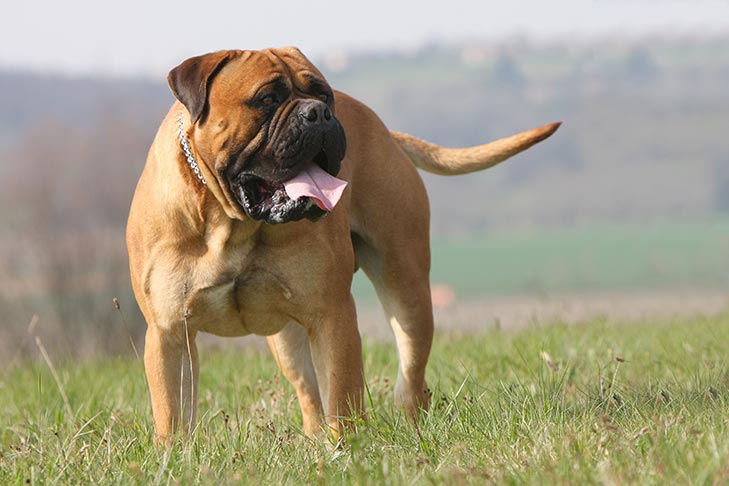
Bullmastiffs are large, powerful dogs weighing 110-130 pounds with moderate to high energy levels. Their substantial size means they need significant daily nutrition, but portion control is crucial to prevent weight gain.
The amount your Bullmastiff needs depends on their age, weight, activity level, and metabolism. What most owners don't realize is that these gentle giants can become overweight easily, which puts extra strain on their joints and can shorten their 8-10 year lifespan.
Here's the thing — feeding guidelines on dog food bags are starting points, not exact requirements. You'll need to adjust based on your dog's individual needs and body condition.
Bullmastiff Daily Feeding Chart
| Age | Weight Range | Daily Amount (cups) | Meals/Day |
|---|---|---|---|
| Puppy 2-6 months | 20-60 lbs | 2-4 cups | 3-4 |
| Puppy 6-12 months | 60-90 lbs | 4-6 cups | 2-3 |
| Adult 1-7 years | 110-130 lbs | 6-8 cups | 2 |
| Senior 7+ years | 110-130 lbs | 5-7 cups | 2 |
Bullmastiff Nutritional Needs
Bullmastiffs need high-quality protein to maintain their muscular build and support their moderate to high energy levels. Look for foods with at least 22-26% protein for adults and 28-30% for growing puppies.
Fat content should be around 12-16% for adults. These working dogs burn energy steadily, but too much fat can lead to weight gain. You'll notice that active Bullmastiffs may need slightly higher fat content than couch potatoes.
Calcium and phosphorus ratios are especially important for large breed puppies to support proper bone development. Large breed puppy formulas are specifically designed to prevent developmental issues.
Best Types of Food for Bullmastiffs
High-quality dry kibble is the most practical choice for most Bullmastiff owners. Large breed formulas provide balanced nutrition with appropriate kibble size for their powerful jaws.
Wet food can be mixed with kibble for picky eaters or dogs with dental issues. The extra moisture helps with hydration, but it's more expensive for a dog this size.
Raw diets require careful planning and veterinary guidance to ensure nutritional balance. What most owners don't realize is that feeding raw to a 130-pound dog requires significant preparation and storage space.
Recommended Food for Bullmastiffs
Find high-quality large breed formulas perfect for your Bullmastiff's nutritional needs.
Bullmastiff Feeding Schedule
Puppies under 6 months should eat 3-4 times daily to support rapid growth and prevent blood sugar dips. Their small stomachs can't handle large meals, so frequent feeding is essential.
Adult Bullmastiffs do best with two meals per day, typically morning and evening. This helps prevent bloat, a serious condition that can affect deep-chested large breeds.
Senior Bullmastiffs (7+ years) should continue with two meals daily, but you may need to adjust portion sizes as their metabolism slows. You'll notice that older dogs often need fewer calories to maintain their weight.
Signs of Feeding Issues in Bullmastiffs
Watch for rapid weight gain or loss, which can indicate portion problems. You should be able to feel your Bullmastiff's ribs without pressing hard, but not see them clearly.
A dull coat, low energy, or digestive upset can signal nutritional deficiencies or food sensitivities. The short answer is that healthy Bullmastiffs should have shiny coats and steady energy levels.
Excessive begging, food guarding, or eating too quickly are behavioral signs that may require feeding schedule adjustments or puzzle feeders to slow them down.