
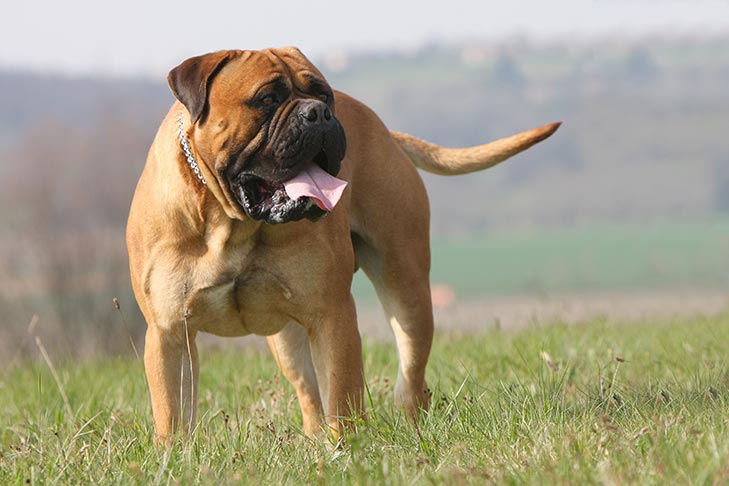
About the Bullmastiff
The Bullmastiff is an English breed developed in the 19th century through crossing the English Mastiff with the now-extinct Old English Bulldog. This powerful combination created the ideal guard dog — large enough to intimidate but agile enough to catch intruders.
Originally bred as gamekeepers' companions, Bullmastiffs were trained to track and pin poachers without mauling them. The Kennel Club officially recognized the breed in 1924, cementing its place in canine history.
Today's Bullmastiff combines impressive size with a surprisingly gentle nature. Weighing between 110-130 pounds and standing 25-27 inches tall, these dogs are natural protectors who form deep bonds with their families.
What most owners don't realize is that despite their imposing appearance, Bullmastiffs are relatively low-maintenance companions. Their short coat requires minimal grooming, and they're surprisingly quiet dogs who rarely bark unnecessarily.
Size
Large (110-130 lbs)
Energy Level
Moderate
Trainability
Highly trainable
Grooming
Low maintenance
Barking
Very quiet
Family Life
Good with children
Bullmastiff Temperament & Personality
Bullmastiffs are gentle giants with natural protective instincts and deep family loyalty. They're calm, confident dogs who assess situations carefully before acting. Despite their imposing size, they're known for being patient and tolerant with children.
🛡️Natural Guardian
Bullmastiffs have an innate protective instinct without being aggressive. They're naturally suspicious of strangers but warm up once properly introduced. Their presence alone is often enough to deter unwanted visitors.
🤗Gentle Giant
Despite their powerful build, Bullmastiffs are remarkably gentle with family members. They're patient with children and seem to understand their own strength. Many owners are surprised by how carefully they move around smaller family members.
🧠Calm & Confident
These dogs rarely act impulsively, preferring to observe and assess situations first. They're confident without being dominant and respond well to consistent, patient training. Their calm demeanor makes them excellent family companions.
❤️Deeply Loyal
Bullmastiffs form incredibly strong bonds with their families and can be somewhat reserved with strangers. They're happiest when they're part of family activities and don't do well when left alone for extended periods. Their loyalty runs deep and true.
Bullmastiff Grooming Needs
With a grooming score of just 1 out of 5, Bullmastiffs are refreshingly low-maintenance. Their short, dense coat requires only weekly brushing to remove loose hair and distribute natural oils. They do shed moderately year-round, with slightly heavier shedding during seasonal changes. Regular nail trims, ear cleaning, and dental care complete their simple grooming routine.
Full Grooming Guide →Bullmastiff Health & Lifespan
Bullmastiffs typically live 8-10 years, which is average for giant breeds. Like most large dogs, they can be prone to certain health conditions that owners should monitor. Regular veterinary checkups and maintaining a healthy weight are crucial for their wellbeing.
- ⚠️Hip DysplasiaThis genetic condition affects the hip joint's development and is common in large breeds like Bullmastiffs. Symptoms include difficulty rising, reluctance to exercise, and altered gait. Talk to your vet if you notice any mobility changes or signs of discomfort.
- ⚠️Bloat (Gastric Torsion)This life-threatening condition occurs when the stomach fills with gas and twists, cutting off blood supply. Large, deep-chested breeds are at higher risk, especially after eating large meals quickly. Talk to your vet immediately if you notice restlessness, drooling, or unsuccessful attempts to vomit.
- ⚠️Heart ConditionsBullmastiffs can develop various cardiac issues including dilated cardiomyopathy and subaortic stenosis. Symptoms may include exercise intolerance, coughing, or breathing difficulties. Talk to your vet if you notice any changes in your dog's breathing or energy levels.
- ⚠️Elbow DysplasiaThis developmental condition affects the elbow joint and can cause lameness and arthritis in affected dogs. It's particularly common in large, fast-growing breeds like the Bullmastiff. Talk to your vet if you notice limping or stiffness in the front legs.
Feeding Your Bullmastiff
Bullmastiffs require high-quality nutrition to support their large frame and moderate energy levels. Adult dogs typically need 3-4 cups of premium dry food daily, divided into two meals to reduce bloat risk. Their slower metabolism compared to higher-energy breeds means portion control is important to prevent weight gain. Choose foods formulated for large breeds to support joint health and proper development.
Full Feeding Guide →Bullmastiff Exercise Needs
With a moderate energy score of 4 out of 5, Bullmastiffs need daily exercise but aren't as demanding as some working breeds. A couple of good walks and some playtime usually satisfy their activity needs. They enjoy mental stimulation through training sessions and puzzle toys. Here's the thing — they're more marathon than sprint dogs, preferring steady, consistent activity over intense bursts.
Training Tips →