
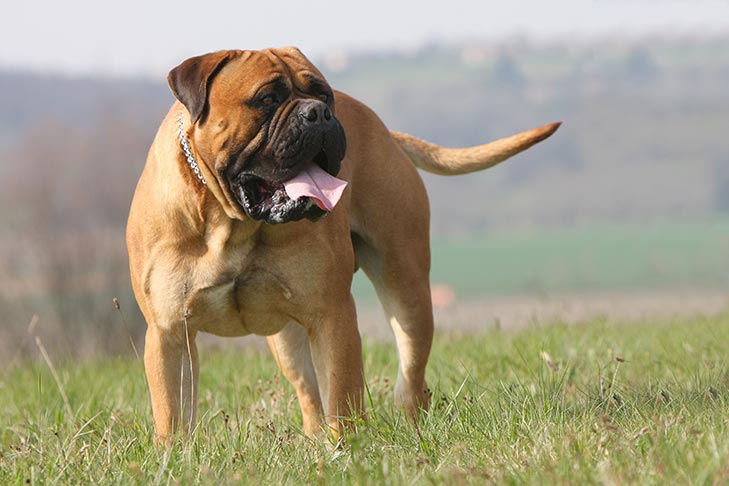
How Long Do Bullmastiffs Live?
Bullmastiffs have a lifespan of 8-10 years, which is typical for giant breed dogs. Their shorter lifespan compared to smaller breeds is largely due to their size — larger dogs simply age faster than their smaller counterparts.
Several factors influence your Bullmastiff's longevity. Genetics play a major role, so choosing a reputable breeder who health tests their breeding dogs is crucial. Diet, exercise, and preventive veterinary care also significantly impact how long and how well your dog will live.
What most owners don't realize is that maintaining an ideal weight throughout your Bullmastiff's life can add months or even years to their lifespan. Overweight dogs face increased risks of joint problems, heart disease, and other health complications that can shorten their lives.
Common Health Conditions in Bullmastiffs
Like all breeds, Bullmastiffs may be prone to certain health conditions. Being aware of these potential issues helps you recognize early warning signs and seek prompt veterinary care when needed.
The breed's large size and deep chest make them susceptible to some conditions that are common in giant breeds. Here are the most important health concerns to watch for in your Bullmastiff.
Preventive Care Checklist for Bullmastiffs
The best approach to keeping your Bullmastiff healthy is prevention. Regular veterinary care and good daily habits can help catch problems early and keep your gentle giant feeling their best.
Here's what every Bullmastiff owner should prioritize:
- Annual veterinary exams with bloodwork after age 7
- Maintain ideal weight through proper diet and exercise
- Feed smaller, frequent meals to reduce bloat risk
- Avoid vigorous exercise right after meals
- Keep up with dental care and regular teeth cleaning
- Monitor for lumps, bumps, or changes in behavior
- Provide joint supplements as recommended by your vet
- Ensure adequate but not excessive exercise for growing puppies
Genetic Testing & Health Screening
Responsible Bullmastiff breeders should perform health testing on their breeding dogs. If you're getting a puppy, ask to see health clearances for both parents.
Key health tests for Bullmastiffs include hip and elbow evaluations through the Orthopedic Foundation for Animals (OFA), cardiac clearances, and eye examinations. Some breeders also test for genetic markers associated with certain conditions.
Even if you adopt an adult Bullmastiff, genetic testing can still provide valuable information about potential health risks. This knowledge helps you and your vet create the best preventive care plan for your dog.
Is Pet Insurance Worth It for Bullmastiffs?
Given the potential for expensive health conditions in large breeds, many Bullmastiff owners find pet insurance valuable. Hip surgery can cost thousands of dollars, and cancer treatment can be even more expensive.
The key is to get coverage while your dog is young and healthy, before any conditions develop. Pre-existing conditions typically aren't covered, so early enrollment gives you the best protection.
Consider your financial situation and risk tolerance. Even if you choose not to get insurance, setting aside money monthly for veterinary emergencies is wise for any large breed owner.
Protect Your Bullmastiff's Health
Large breed dogs like Bullmastiffs can face expensive health issues. Pet insurance helps you provide the best care without financial stress.