
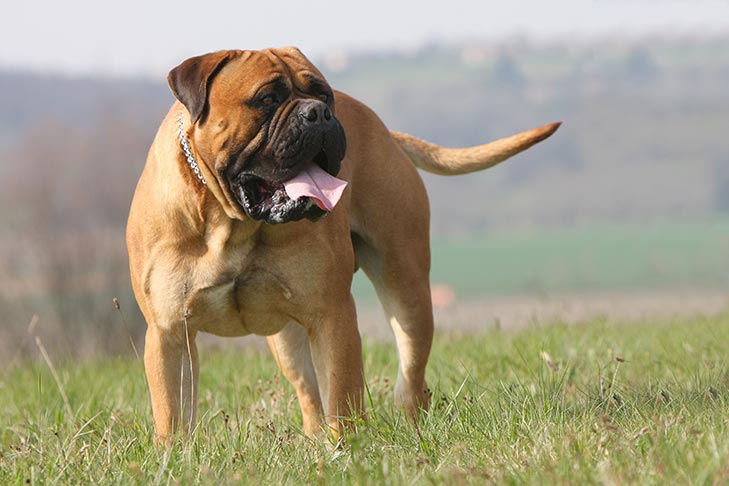
Are Bullmastiffs Easy to Train?
Bullmastiffs score a solid 4 out of 5 for trainability, making them moderately easy to train with the right approach. What most owners don't realize is that their working dog background means they're naturally inclined to think independently rather than blindly follow commands.
Their history as guard dogs developed in 19th-century England through crossing English Mastiffs with Old English Bulldogs gives us important clues about their training needs. These dogs were bred to make decisions on their own, which can sometimes look like stubbornness during training sessions.
The good news is that Bullmastiffs are intelligent and eager to please their families. Their moderate energy level (4 out of 5) means they have enough drive to engage in training without being hyperactive or easily distracted. You'll notice that they respond particularly well to structured, consistent routines.
Here's the thing about training large breeds like Bullmastiffs — starting early is crucial. At 110-130 pounds when fully grown, a well-trained Bullmastiff is a joy to live with, while an untrained one can become unmanageable through sheer size alone.
Best Training Methods for Bullmastiffs
Positive reinforcement is the gold standard for Bullmastiff training. These gentle giants respond much better to rewards and praise than harsh corrections or dominance-based methods. Food rewards work exceptionally well, but be mindful of portion sizes given their tendency toward weight gain.
Keep training sessions short and engaging — 10 to 15 minutes is ideal for maintaining their attention. Bullmastiffs can become bored with repetitive drills, so mix up your activities and always end on a positive note. Their working dog heritage means they enjoy having a job to do, so incorporate practical commands they can use in daily life.
Consistency is absolutely critical with this breed. Everyone in your household needs to use the same commands and enforce the same rules. Bullmastiffs are smart enough to figure out which family members are pushovers, and they'll quickly learn to ignore inconsistent handlers.
Timing matters tremendously with Bullmastiffs. They need immediate feedback to connect their actions with consequences. The moment they perform a desired behavior, mark it with praise or a clicker, then follow up with their reward.
Effective motivators for Bullmastiffs:
- High-value food treats (small pieces to avoid overfeeding)
- Verbal praise in an enthusiastic tone
- Physical affection like gentle petting
- Brief play sessions with favorite toys
- Access to preferred resting spots
Puppy Training Essentials for Bullmastiffs
Start with basic commands the moment your Bullmastiff puppy comes home, typically around 8-10 weeks old. "Sit" is usually the easiest first command, followed by "stay," "come," and "down." These foundation commands will serve as building blocks for more advanced training.
House training requires patience with Bullmastiff puppies. Most will grasp the concept within 4-6 months, but accidents can happen up to 8 months of age. Their large size means bigger messes, so establishing a consistent routine early saves everyone frustration. Take them outside first thing in the morning, after meals, before bed, and every 2-3 hours during the day.
Crate training works wonderfully for Bullmastiffs, but you'll need an extra-large crate to accommodate their eventual size. Many owners buy the adult-sized crate immediately and use dividers to make it puppy-appropriate. This breed generally takes well to crate training because they appreciate having a secure den-like space.
Socialization is absolutely crucial during the first 16 weeks of life. Expose your Bullmastiff puppy to different people, animals, sounds, and environments in controlled, positive ways. Their moderate scores with children (3 out of 5) and other dogs (3 out of 5) mean early socialization can significantly improve their comfort levels in these situations.
Essential puppy training timeline:
- 8-12 weeks: Basic commands, house training routine, crate introduction
- 12-16 weeks: Intensive socialization period, leash training begins
- 4-6 months: Advanced commands, impulse control exercises
- 6-12 months: Consistency reinforcement, addressing adolescent challenges
Common Behavior Challenges in Bullmastiffs
Despite their relatively low barking score (1 out of 5), Bullmastiffs can develop excessive barking if they're bored or under-stimulated. Their high energy level (4 out of 5) needs appropriate outlets, or they may channel that energy into unwanted behaviors like digging, chewing, or attention-seeking barking.
Jumping on people is a significant concern with Bullmastiffs due to their size. A 130-pound dog jumping up in greeting can easily knock over children or elderly adults. Start discouraging this behavior immediately, even when they're cute puppies. Teach them to sit for greetings instead.
Guarding behavior can become problematic if not properly managed. Bullmastiffs were bred to be protective, but they need to learn appropriate times and ways to express this instinct. Without proper training, they may become overly suspicious of visitors or possessive of family members.
Pulling on the leash is another common issue. Given their strength, an untrained Bullmastiff can easily drag their owner down the street. Start leash training early with a properly fitted harness or head collar designed for large breeds.
Destructive behavior prevention:
- Provide appropriate chew toys for their powerful jaws
- Ensure adequate daily exercise (at least 60 minutes)
- Mental stimulation through puzzle toys and training games
- Consistent daily routines to reduce anxiety
- Proper supervision during adolescent months (6-18 months)
Professional Training for Bullmastiffs
Need expert guidance for your Bullmastiff's training journey? Professional trainers understand the unique needs of large, powerful breeds and can help you establish the right foundation from day one.
Socialization Tips for Bullmastiffs
Bullmastiffs' moderate scores with children and other dogs mean socialization can significantly improve their comfort and behavior in these situations. Start socialization as early as possible, ideally before 16 weeks of age when their brains are most adaptable to new experiences.
When introducing your Bullmastiff to children, always supervise interactions and teach kids how to behave appropriately around large dogs. Bullmastiffs are generally gentle with family children but may be more cautious around unfamiliar kids. Their size alone requires careful management around small children.
Dog-to-dog socialization needs a gradual approach. Their moderate score (3 out of 5) with other dogs suggests they can learn to coexist peacefully, but they may prefer calm, well-behaved canine companions over hyperactive or aggressive dogs. Puppy classes and controlled playdates work better than chaotic dog parks.
Exposure to various environments helps prevent fearfulness or overprotectiveness later in life. Take your Bullmastiff to pet-friendly stores, outdoor cafes, and different neighborhoods. The goal is creating positive associations with new sights, sounds, and smells.
Successful socialization strategies: