
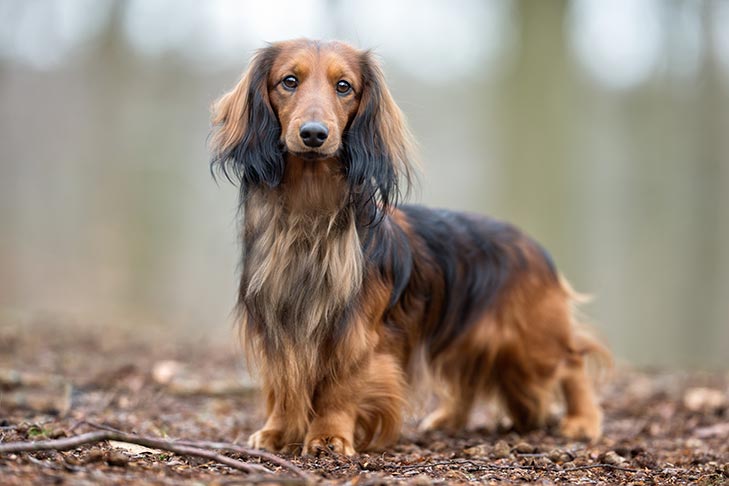
Are Dachshunds Easy to Train?
Dachshunds score a 4 out of 5 for trainability, making them moderately easy to work with compared to other breeds. What most owners don't realize is that their hunting background as badger hunters makes them naturally independent thinkers who prefer to make their own decisions.
This independence can sometimes be mistaken for stubbornness, but it's actually part of what made them excellent hunting companions. They were bred to work alone in badger burrows, making split-second decisions without human guidance.
The key to successfully training a Dachshund lies in understanding their motivation. These dogs respond best when they believe the training benefits them directly, rather than simply following commands because you asked them to.
Best Training Methods for Dachshunds
Positive reinforcement works exceptionally well with Dachshunds because they're naturally food-motivated and enjoy mental stimulation. Use high-value treats like small pieces of chicken or cheese to capture their attention during training sessions.
Keep sessions short and engaging — 5 to 10 minutes at a time works best. Dachshunds have moderate energy levels (scoring 3 out of 5), so they can focus well but may lose interest in lengthy training sessions.
Make training feel like a game rather than work. Their hunting instincts mean they love activities that involve searching, tracking, or problem-solving. Hide treats around the house and use commands like "find it" to make obedience training more appealing.
Consistency is crucial with this breed. Every family member should use the same commands and rules, as Dachshunds will quickly learn to exploit inconsistencies between different handlers.
Avoid harsh corrections or punishment-based methods. These sensitive dogs may become fearful or more stubborn when faced with negative training approaches. Instead, redirect unwanted behavior and immediately reward the correct response.
Puppy Training Essentials
Start with basic commands like "sit," "stay," and "come" as early as 8 weeks old. Dachshund puppies are quick learners when motivated properly, and establishing these foundations early prevents behavioral issues later.
House training typically takes 4 to 6 months with consistent effort. Their small bladders mean more frequent potty breaks — every 2 hours for young puppies. Create a strict schedule and reward successful outdoor bathroom trips immediately.
Crate training is essential for this breed. Dachshunds naturally seek den-like spaces, making them generally comfortable with properly sized crates. This helps with house training and prevents destructive behavior when you're away.
Leash training should begin immediately since Dachshunds have strong prey drives. Start with short indoor sessions using a lightweight leash and collar, rewarding them for walking beside you without pulling.
Establish boundaries around furniture early on. Many Dachshund owners allow couch access, but jumping on and off furniture can cause back injuries. Teach "off" and "wait" commands, and consider providing ramps or steps for safe furniture access.
Common Behavior Challenges
Excessive barking is the biggest challenge with Dachshunds, who score a 5 out of 5 for barking tendency. They were bred to alert hunters to badger locations, so vocalization is deeply ingrained. Train a "quiet" command by rewarding moments of silence rather than shouting over their barking.
Digging behavior stems from their hunting heritage — they were literally bred to dig into badger burrows. Provide appropriate outlets like designated digging areas in your yard, or hide toys in blankets for indoor "digging" games.
Separation anxiety can develop if not addressed early. These dogs form strong bonds with their families and may become destructive when left alone. Practice short departures and gradually increase the time away, always providing engaging toys or puzzle feeders.
Resource guarding may emerge around food, toys, or favorite spots. Address this immediately by teaching "drop it" and "leave it" commands. Never forcibly take items away — instead, trade for something equally valuable.
Chasing small animals is instinctual behavior that requires management rather than elimination. Use a long leash during training and practice recall commands in fenced areas before allowing off-leash time.
Professional Training for Dachshunds
Need expert guidance for your Dachshund's training journey? Professional trainers understand breed-specific challenges and can help you develop a customized training plan.
Socialization Tips for Dachshunds
Dachshunds score 4 out of 5 for getting along with other dogs, making them generally social when properly introduced. However, their size difference with larger dogs requires careful supervision during play sessions.
Introduce new dogs gradually in neutral territory rather than your home. Let them see each other from a distance first, rewarding calm behavior before allowing closer interaction. Their confident personality means they may challenge much larger dogs without understanding the size difference.
With children, they score 3 out of 5, indicating moderate compatibility that depends heavily on proper socialization and training. Teach children to approach calmly and avoid sudden movements that might trigger the Dachshund's prey drive or startle response.
Expose puppies to various environments including different surfaces, sounds, and people. Their hunting background makes them naturally alert, but early socialization prevents this alertness from becoming fearfulness or aggression.
Practice controlled greetings with strangers. Dachshunds can be reserved with new people, so reward friendly behavior and give them space to approach at their own pace rather than forcing interactions.