
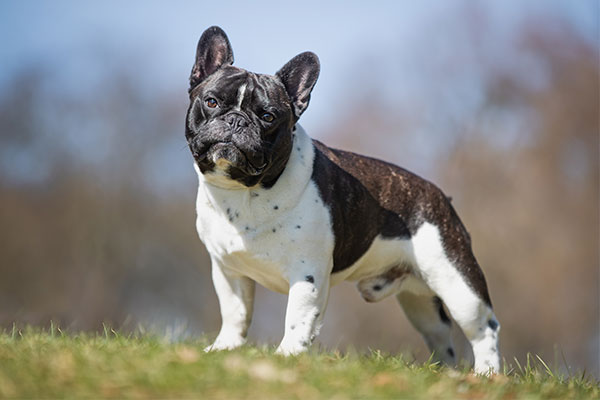
Are French Bulldogs Easy to Train?
Here's the thing about French Bulldog training — these compact companions are actually quite trainable, earning a solid 4 out of 5 on the trainability scale. What most owners don't realize is that their intelligence and affectionate nature make them eager to please, despite their sometimes stubborn reputation.
French Bulldogs were originally bred as companion dogs, which means they naturally want to bond with their humans. This breed characteristic works in your favor during training sessions. Their moderate energy level (3 out of 5) means they won't overwhelm you with hyperactivity, but they still need mental stimulation to stay engaged.
The key to successful French Bulldog training lies in understanding their unique personality. These dogs are intelligent problem-solvers who can quickly learn what you're asking of them. However, they also have strong opinions about how things should be done, which can sometimes come across as stubbornness.
Best Training Methods for French Bulldogs
Positive reinforcement is absolutely essential when training French Bulldogs. These sensitive dogs respond poorly to harsh corrections or raised voices, which can actually set back your training progress. Instead, focus on rewarding good behavior with treats, praise, and play.
Food motivation works exceptionally well with French Bulldogs, but be mindful of their weight. Use small, high-value treats that won't contribute to weight gain. Many Frenchies also respond well to praise and physical affection as rewards, especially given their affectionate temperament.
Keep training sessions short and sweet — 5 to 10 minutes at a time works best. French Bulldogs can lose focus with longer sessions, and their moderate energy levels mean they prefer multiple short bursts of activity rather than extended training periods. You'll notice that consistency across multiple short sessions yields better results than occasional long ones.
Timing is crucial with French Bulldogs. They're smart enough to make connections quickly, so reward immediately when they perform the desired behavior. This breed's intelligence means they'll understand what you want, but their independent streak means they need to see the value in complying.
French Bulldog Puppy Training Essentials
Start with basic commands like 'sit,' 'stay,' and 'come' as soon as you bring your French Bulldog puppy home. Their high trainability score means they can begin learning these fundamentals as early as 8 weeks old. Focus on one command at a time until it's solid before moving to the next.
House training typically takes 4 to 6 months with French Bulldogs, though some may take longer. Their small size means they have smaller bladders and need more frequent potty breaks — every 2 to 3 hours for young puppies. Establish a consistent routine and take them out immediately after meals, naps, and play sessions.
Crate training works particularly well with French Bulldogs because they naturally seek out cozy, den-like spaces. Choose a crate that's just large enough for them to stand, turn around, and lie down. This breed's moderate energy levels mean they adapt well to crate time, especially when it's introduced gradually.
Socialization should begin immediately and continue throughout their first year. French Bulldogs score 4 out of 5 for getting along with other dogs and 5 out of 5 with children, but early exposure helps reinforce these natural tendencies. Expose your puppy to different people, animals, sounds, and environments in a controlled, positive way.
Common French Bulldog Training Challenges
Despite their excellent trainability, French Bulldogs can present some unique challenges. Their moderate energy levels can sometimes manifest as restlessness if they don't get enough mental stimulation. Bored French Bulldogs may develop destructive behaviors like chewing furniture or shoes.
The good news is that French Bulldogs score only 1 out of 5 for barking, making them relatively quiet companions. However, when they do vocalize, it's usually for a specific reason — alerting you to visitors, expressing excitement, or seeking attention. Address excessive barking by identifying and managing the trigger rather than trying to suppress all vocalizations.
Stubbornness can emerge during training, especially around adolescence (6 to 18 months). You'll notice that your previously compliant puppy suddenly seems to 'forget' commands they knew perfectly. This is normal developmental behavior, not a training failure. Stay consistent with your expectations and continue using positive reinforcement.
Resource guarding can occasionally develop in French Bulldogs, particularly around food or favorite toys. Their strong food motivation, while helpful for training, can sometimes lead to possessive behavior. Address this early by teaching 'drop it' and 'leave it' commands, and practice handling exercises while they eat.
Advanced Training for French Bulldogs
Once your French Bulldog masters basic commands, their high trainability score means they're ready for more complex behaviors. Trick training works exceptionally well with this breed because it engages their intelligence while providing mental stimulation that complements their moderate energy levels.
Teach practical skills like 'place' (going to a specific spot and staying there) and 'quiet' (stopping barking on command). These commands are particularly useful given French Bulldogs' tendency to be alert watchdogs despite their low barking score. The 'place' command helps manage their social nature when guests visit.
French Bulldogs excel at puzzle-solving activities that challenge their minds without requiring excessive physical exertion. Food puzzle toys, hide-and-seek games, and basic agility obstacles (sized appropriately for their build) provide excellent mental workouts.
Consider clicker training for more precise communication. French Bulldogs' intelligence makes them excellent candidates for clicker training, which allows you to mark exact moments of correct behavior. This precision helps when teaching complex tricks or refining existing commands.
Maintaining Training Success Long-Term
Consistency is crucial for maintaining your French Bulldog's training throughout their 10 to 12-year lifespan. Regular practice sessions, even just a few minutes daily, keep skills sharp and reinforce your bond. Their affectionate nature means they genuinely enjoy this focused time with you.
As your French Bulldog ages, adapt training methods to accommodate any physical changes. Senior dogs may need shorter sessions or modified exercises, but their intelligence remains intact. Continue challenging their minds with new tricks or puzzles to maintain cognitive function.
Address any regression immediately rather than letting bad habits develop. French Bulldogs are smart enough to test boundaries, especially if they sense inconsistency in household rules. A quick refresher on basic commands usually resolves most issues.
Remember that training is an ongoing relationship, not a destination. Your French Bulldog's loyal and intelligent nature means they'll continue learning throughout their lives, making every interaction an opportunity to reinforce good behavior and strengthen your bond.
Professional Training for French Bulldogs
Ready to unlock your French Bulldog's full potential? Professional training courses can help you master breed-specific techniques and address unique challenges.
Socialization Tips for French Bulldogs
French Bulldogs' excellent scores with children (5 out of 5) and other dogs (4 out of 5) make socialization relatively straightforward, but it still requires intentional effort. Their naturally friendly disposition works in your favor, but proper introduction techniques ensure these positive traits develop fully.
Introduce your French Bulldog to children of different ages in controlled settings. Their moderate energy level makes them excellent playmates for kids, but teach children how to interact gently with your dog. French Bulldogs are sturdy but can be overwhelmed by overly enthusiastic play.
Dog-to-dog introductions should happen on neutral territory when possible. French Bulldogs generally get along well with other dogs, but their compact size means they can be vulnerable to rough play from larger breeds. Supervise interactions and intervene if play becomes too intense.
Expose your French Bulldog to various environments, sounds, and experiences during their critical socialization period (3 to 14 weeks). Their intelligent nature means they'll remember these early experiences, so make them positive. Car rides, different flooring surfaces, household appliances, and various people all help build confidence.
Consider puppy socialization classes specifically designed for small breeds. French Bulldogs benefit from interacting with similarly sized dogs, and these classes provide structured environments for learning appropriate social behaviors.