
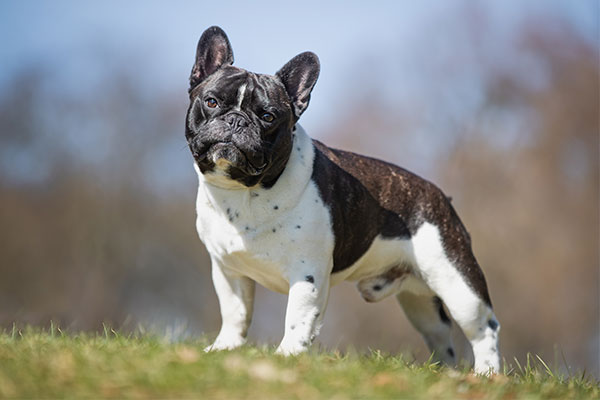
About the French Bulldog
The French Bulldog is a small and playful breed that was originally bred in France as a companion dog. These charming little dogs have captured hearts worldwide with their distinctive bat ears and compact, muscular build.
French Bulldogs are intelligent, affectionate, and loyal companions that make excellent family pets. Weighing between 20-28 pounds and standing 11-13 inches tall, they're perfectly sized for apartment living while still being sturdy enough for active families.
What most owners don't realize is that French Bulldogs rank as the second most popular breed, and it's easy to see why. Their adaptable nature, moderate exercise needs, and loving personality make them ideal companions for both first-time and experienced dog owners.
Here's the thing about French Bulldogs - they're part of the Non-Sporting group, which means they were bred primarily for companionship rather than specific work tasks. This breeding focus has resulted in dogs that are naturally attuned to human emotions and excel at being devoted family members.
Family Friendly
Excellent with children
Trainability
Highly trainable
Energy Level
Moderate activity needs
Barking
Very quiet companion
Shedding
Moderate shedding
Social
Good with other dogs
French Bulldog Temperament & Personality
French Bulldogs are intelligent, affectionate, and loyal companions known for their playful yet calm demeanor. They form strong bonds with their families and are naturally gentle, making them excellent pets for households with children.
❤️Affectionate Companion
French Bulldogs are incredibly loving and form deep bonds with their families. They thrive on human companionship and are happiest when they're part of daily family activities.
🧠Intelligent & Alert
These smart dogs are quick learners who respond well to positive training methods. Their intelligence makes them excellent problem solvers, though they can sometimes be a bit stubborn.
🎭Playful Yet Calm
French Bulldogs have a wonderful balance of playfulness and relaxation. They enjoy interactive games and short bursts of activity, but they're equally content lounging with their favorite humans.
👶Gentle with Children
With their patient and gentle nature, French Bulldogs are exceptional family dogs. They're naturally protective of children while being gentle enough for even the smallest family members.
🤝Social & Adaptable
These dogs generally get along well with other pets and adapt easily to different living situations. Their calm demeanor and low barking tendency make them excellent apartment companions.
French Bulldog Grooming Needs
French Bulldogs have minimal grooming requirements thanks to their short, smooth coat and low grooming needs score. They do shed moderately, so regular brushing 2-3 times per week will help manage loose hair and keep their coat healthy. Pay special attention to cleaning their facial wrinkles daily to prevent skin irritation, and don't forget regular nail trims and dental care. Their compact size and cooperative nature make grooming sessions relatively easy and enjoyable for both dog and owner.
Full Grooming Guide →French Bulldog Health & Lifespan
French Bulldogs typically live 10-12 years and are generally healthy dogs, though their flat face structure can lead to some specific health considerations. Regular veterinary checkups and maintaining a healthy weight are essential for keeping your French Bulldog in optimal condition throughout their life.
- ⚠️Brachycephalic Obstructive Airway Syndrome (BOAS)French Bulldogs' flat faces can cause breathing difficulties, especially in hot weather or during exercise. You'll notice symptoms like excessive panting, snoring, or difficulty breathing during activity. Talk to your vet if you notice symptoms.
- ⚠️Hip DysplasiaThis genetic condition affects the hip joint and can cause pain and mobility issues as dogs age. Watch for signs like difficulty getting up, limping, or reluctance to exercise. Talk to your vet if you notice symptoms.
- ⚠️Intervertebral Disc Disease (IVDD)French Bulldogs can be prone to spinal disc problems due to their body structure. Signs include back pain, difficulty walking, or reluctance to jump or climb stairs. Talk to your vet if you notice symptoms.
- ⚠️Skin Fold DermatitisThe wrinkles on their face and body can trap moisture and bacteria, leading to skin infections. Regular cleaning and keeping folds dry is essential for prevention. Talk to your vet if you notice symptoms.
- ⚠️Heat SensitivityTheir flat faces make French Bulldogs particularly susceptible to overheating. They struggle to regulate body temperature in hot weather and can develop heat stroke quickly. Talk to your vet if you notice symptoms.
Feeding Your French Bulldog
French Bulldogs weighing 20-28 pounds need a high-quality diet portioned appropriately for their size and moderate energy level. Their compact build makes weight management crucial, as extra pounds can exacerbate breathing problems and joint stress. Choose a premium dog food designed for small to medium breeds, and divide their daily portion into two meals to aid digestion and prevent bloat. You'll want to monitor their weight closely and adjust portions based on their activity level and age.
Full Feeding Guide →French Bulldog Exercise Needs
With a moderate energy score of 3, French Bulldogs need regular but not intensive exercise to stay healthy and happy. Daily walks of 20-30 minutes combined with some indoor playtime will meet most of their activity needs. Here's the thing - their flat faces mean they can overheat quickly, so exercise during cooler parts of the day and always provide plenty of water. Their high trainability score makes them excellent candidates for mental stimulation through puzzle toys and basic obedience work.
Training Tips →