
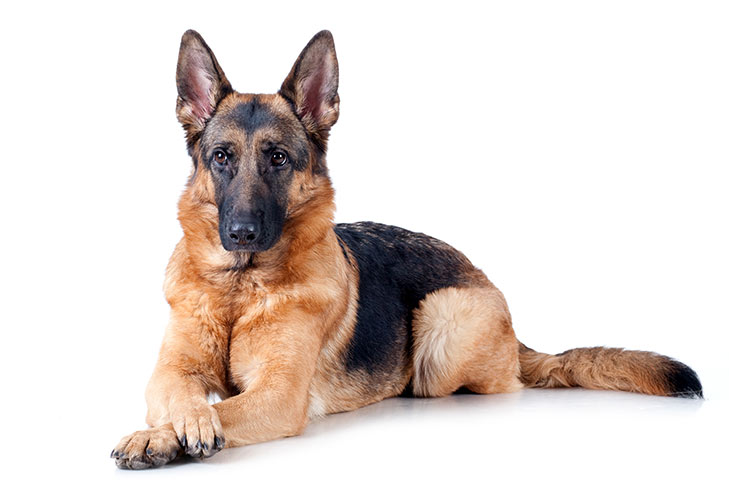
How Much Should a German Shepherd Eat?
German Shepherds are large, high-energy dogs that typically weigh between 65-90 pounds and require substantial nutrition to fuel their active lifestyle. The amount you feed depends on your dog's age, weight, activity level, and metabolism.
Most adult German Shepherds need 3-5 cups of high-quality dry food daily, divided into two meals. Puppies require more frequent feeding with smaller portions, while senior dogs may need adjusted amounts based on their activity level and health status.
German Shepherd Feeding Chart
| Age | Weight Range | Daily Amount (cups) | Meals/Day |
|---|---|---|---|
| Puppy 2-6 months | 15-40 lbs | 1-3 cups | 3-4 |
| Puppy 6-12 months | 40-65 lbs | 2-4 cups | 2-3 |
| Adult 1-7 years | 65-90 lbs | 3-5 cups | 2 |
| Senior 8+ years | 65-90 lbs | 2.5-4 cups | 2 |
Nutritional Needs for German Shepherds
German Shepherds have exceptionally high energy levels and need protein-rich diets to support their muscular build and active nature. Look for foods with at least 22-26% protein for adults and 28-30% for growing puppies.
Fat content should be around 12-15% for adults to provide sustained energy without excess weight gain. These working dogs also benefit from omega fatty acids for joint health and coat condition.
Given their size and energy demands, German Shepherds need foods with balanced calcium and phosphorus ratios to support proper bone development, especially during their rapid growth phase.
Best Types of Food for German Shepherds
High-quality dry kibble works well for most German Shepherds, providing balanced nutrition and helping maintain dental health through chewing action. Look for formulas designed for large breeds with appropriate kibble size.
Wet food can be mixed with kibble for picky eaters or dogs with dental issues, but shouldn't be the sole diet as it's less calorie-dense. Some owners choose raw diets, but these require careful planning to ensure nutritional balance.
Regardless of food type, choose options with named meat sources as the first ingredient and avoid foods with excessive fillers like corn or wheat that provide little nutritional value.
Recommended Food for German Shepherds
Find high-quality, large-breed formulas perfect for your German Shepherd's nutritional needs.
German Shepherd Feeding Schedule
Young German Shepherd puppies (8-16 weeks) should eat 3-4 small meals throughout the day to maintain steady blood sugar and support rapid growth. Spread meals every 4-6 hours during waking hours.
Once your puppy reaches 6 months, you can transition to twice-daily feeding, which works well for most adult German Shepherds. Feed once in the morning and once in the evening, about 12 hours apart.
Senior German Shepherds (8+ years) may benefit from smaller, more frequent meals if they develop digestive sensitivities. Monitor their weight and adjust portions as their metabolism slows with age.
Signs of Feeding Issues in German Shepherds
Watch for rapid weight gain or loss, which can indicate portion problems or underlying health issues. German Shepherds should have a visible waist when viewed from above and you should feel their ribs with gentle pressure.
Changes in coat quality, energy levels, or bathroom habits can signal nutritional deficiencies or food sensitivities. A dull coat, excessive shedding, or low energy despite adequate food may indicate poor food quality.
Digestive issues like frequent loose stools, vomiting, or excessive gas might suggest food allergies or intolerances. Keep a food diary to identify potential triggers if problems persist.