
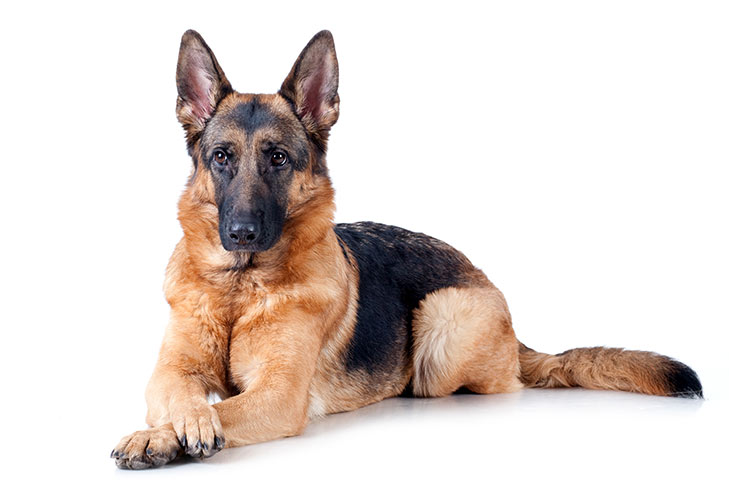
About the German Shepherd
The German Shepherd originated in Germany during the late 19th century as a versatile working breed. Originally developed for herding livestock, these intelligent dogs quickly proved their worth in various roles including guarding, search and rescue, and police work.
German Shepherds are large dogs, typically weighing 65-90 pounds and standing 24-26 inches tall. Their thick double coat comes in various colors and provides excellent protection in different weather conditions.
What sets German Shepherds apart is their exceptional intelligence and unwavering loyalty to their families. These highly trainable dogs thrive when given a job to do and need plenty of exercise and mental stimulation to stay happy.
With a lifespan of 9-13 years, German Shepherds make devoted companions for active families who can meet their physical and mental needs. They're known for being excellent with children while maintaining their protective instincts.
Intelligence
Exceptionally smart and trainable
Energy Level
Very high energy, needs daily exercise
Loyalty
Deeply devoted to family
Size
Large breed, 65-90 lbs
Shedding
Heavy shedder year-round
Protective
Natural guardian instincts
German Shepherd Temperament & Personality
German Shepherds are confident, loyal, and highly intelligent dogs with strong protective instincts. They form deep bonds with their families and are naturally wary of strangers, making them excellent watchdogs.
🧠Highly Intelligent
German Shepherds rank among the smartest dog breeds and excel at learning complex commands. They thrive on mental challenges and problem-solving activities.
👨👩👧👦Family Devoted
These dogs form incredibly strong bonds with their families and are especially gentle with children. They're naturally protective without being aggressive when properly socialized.
🎯Work-Oriented
Bred for working, German Shepherds need a sense of purpose to be truly happy. They excel in various roles from family guardian to service dog work.
🚨Naturally Alert
German Shepherds are excellent watchdogs who will alert you to visitors or unusual activity. They're naturally cautious with strangers but warm up once properly introduced.
💪Confident & Steady
Well-bred German Shepherds display calm confidence in new situations. They're steady, reliable dogs who don't spook easily when properly trained and socialized.
German Shepherd Grooming Needs
German Shepherds are heavy shedders with a thick double coat that requires regular maintenance. You'll need to brush them several times a week, and daily during shedding seasons when they "blow" their coat. Their grooming needs are moderate overall, but the shedding can be significant year-round. Regular brushing helps manage loose fur and keeps their coat healthy and shiny.
Full Grooming Guide →German Shepherd Health & Lifespan
German Shepherds typically live 9-13 years and are generally healthy dogs when bred responsibly. However, like many large breeds, they can be prone to certain genetic health conditions that potential owners should be aware of.
- ⚠️Hip DysplasiaA common condition in large breeds where the hip joint doesn't form properly, leading to arthritis and mobility issues. Responsible breeding and maintaining a healthy weight can help reduce risk. Talk to your vet if you notice limping or difficulty getting up.
- ⚠️Elbow DysplasiaSimilar to hip dysplasia, this affects the elbow joints and can cause lameness and arthritis. Early signs include limping after exercise or reluctance to play. Talk to your vet if you notice any changes in your dog's gait or activity level.
- ⚠️Bloat (GDV)A life-threatening condition where the stomach twists, common in deep-chested breeds like German Shepherds. Symptoms include restlessness, drooling, and a swollen belly. Talk to your vet immediately if you suspect bloat as it requires emergency treatment.
- ⚠️Degenerative MyelopathyA progressive spinal cord disease that can affect older German Shepherds, causing weakness in the hind legs. While there's no cure, physical therapy can help maintain mobility. Talk to your vet if you notice dragging of the back feet or weakness.
Feeding Your German Shepherd
German Shepherds are large, active dogs weighing 65-90 pounds who need high-quality nutrition to fuel their energy and maintain their muscular build. Their high energy level means they typically require more calories than less active breeds of similar size. Choose a premium dog food formulated for large breeds, and divide their daily portion into two meals to help prevent bloat. The exact amount will depend on your dog's age, activity level, and metabolism.
Full Feeding Guide →German Shepherd Exercise Needs
With a maximum energy score of 5 out of 5, German Shepherds are extremely active dogs that need substantial daily exercise and mental stimulation. These working dogs require at least 2 hours of activity per day, including walks, runs, training sessions, and interactive play. Without adequate exercise, they can become destructive or develop behavioral issues. Mental challenges like puzzle toys, obedience training, and agility work are just as important as physical exercise for this intelligent breed.
Training Tips →