
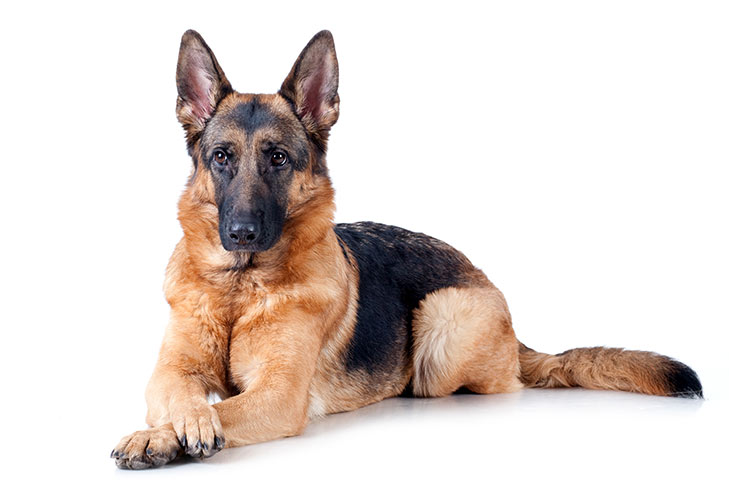
German Shepherd Coat Type and Shedding
German Shepherds have a thick double coat that's designed for protection in various weather conditions. This coat consists of a dense, soft undercoat and a longer, coarser outer coat that repels water and debris.
What most owners don't realize is that German Shepherds are heavy shedders year-round, with our breed data showing a shedding score of 4 out of 5. You'll notice that shedding intensifies dramatically twice a year during seasonal coat changes, often called "blowing coat."
The good news? Despite their heavy shedding, German Shepherds have a grooming needs score of just 2 out of 5. This means while they shed considerably, their coat maintenance requirements are actually quite manageable with the right approach.
During shedding seasons (typically spring and fall), you can expect to find hair everywhere for about 2-3 weeks. The undercoat loosens and comes out in clumps, which is completely normal for double-coated breeds like German Shepherds.
Brushing Your German Shepherd
Regular brushing is the cornerstone of German Shepherd grooming. During normal periods, brush your German Shepherd 2-3 times per week to manage daily shedding and prevent matting.
Here's the thing about brushing technique: start with an undercoat rake to remove loose undercoat, then follow with a slicker brush for the outer coat. Work in sections, brushing in the direction of hair growth, then against it to catch any remaining loose fur.
During shedding seasons, daily brushing becomes essential. You'll want to spend 15-20 minutes thoroughly brushing your German Shepherd to help the process along and keep your home manageable.
Pay special attention to areas where matting commonly occurs: behind the ears, under the legs, around the collar area, and the rear end. These spots tend to trap moisture and debris, making them prone to tangles.
The key is consistency rather than intensity. Short, regular brushing sessions are more effective and less stressful for your German Shepherd than infrequent marathon grooming sessions.
Bathing Your German Shepherd
German Shepherds typically need baths every 6-8 weeks under normal circumstances. Their double coat has natural oils that help repel dirt and provide weather protection, so over-bathing can strip these beneficial oils.
You'll notice that German Shepherds often stay surprisingly clean despite their active lifestyle. Their coat naturally sheds dirt and debris, meaning they don't require frequent baths like some other breeds.
However, increase bathing frequency if your German Shepherd gets into something messy, develops a doggy odor, or has skin issues. Active dogs who spend lots of time outdoors may need monthly baths during muddy seasons.
When bathing, use lukewarm water and work the shampoo down to the skin, not just the surface coat. The dense undercoat can trap soap, so thorough rinsing is crucial. Expect the drying process to take considerable time due to the coat density.
What most owners don't realize is that proper drying is just as important as the bath itself. Trapped moisture in the undercoat can lead to skin issues or hot spots, especially in German Shepherds who are prone to skin sensitivities.
Nail, Ear, and Dental Care for German Shepherds
Beyond coat care, German Shepherds need regular maintenance of their nails, ears, and teeth. These areas are often overlooked but are crucial for your dog's health and comfort.
German Shepherds have strong, fast-growing nails that need trimming every 3-4 weeks. Active dogs who walk on pavement may naturally wear down their nails somewhat, but most still need regular trims.
Their upright ears require weekly cleaning to prevent wax buildup and infections. The erect ear structure actually helps with air circulation, making German Shepherds less prone to ear problems than floppy-eared breeds.
- Trim nails every 3-4 weeks or when you hear clicking on hard floors
- Clean ears weekly with a veterinarian-approved ear cleaner
- Brush teeth 2-3 times per week to prevent tartar buildup
- Check and clean between toes, especially after outdoor activities
- Inspect ears for redness, odor, or excessive wax during weekly cleaning
- Introduce nail trimming gradually if your German Shepherd is nail-shy
Professional Grooming for German Shepherds
German Shepherds generally don't require professional grooming as frequently as many other breeds. Their natural coat doesn't need trimming or styling, and most owners can handle routine maintenance at home.
However, professional grooming can be beneficial every 8-12 weeks, especially during shedding seasons. Professional groomers have specialized tools and techniques for managing double coats that can make a significant difference.
The short answer is that professional grooming for German Shepherds focuses on thorough brushing, nail trimming, ear cleaning, and sometimes a bath. Expect to pay $50-80 for a full grooming session, depending on your location and the dog's size.
Consider professional grooming if you're struggling with shedding management, if your German Shepherd won't tolerate nail trimming, or during heavy shedding seasons when extra help is valuable.
Many German Shepherd owners find that a professional grooming session at the start of each shedding season helps jumpstart the process and makes home maintenance more manageable.
Essential Grooming Tools for German Shepherds
Having the right tools makes German Shepherd grooming much more effective and enjoyable for both you and your dog. The key is choosing tools specifically designed for double-coated breeds.
An undercoat rake is your most important tool for managing the dense undercoat. Look for one with rotating teeth that won't damage the coat while effectively removing loose undercoat.
A slicker brush handles the outer coat and helps with final smoothing after using the undercoat rake. Choose one with fine, closely-spaced pins that can work through the coat density.
For nail care, invest in heavy-duty nail clippers suitable for large dogs. German Shepherds have thick, strong nails that require sturdy clippers. A nail grinder can be gentler for dogs who are sensitive about nail trimming.
You'll also want a high-velocity dryer if you plan to bathe your German Shepherd regularly. These tools blow out loose undercoat and significantly reduce drying time, which is crucial for preventing skin issues in double-coated breeds.
- Undercoat rake with rotating teeth for effective undercoat removal
- Slicker brush with fine pins for outer coat maintenance
- Heavy-duty nail clippers sized for large dogs
- Nail grinder as an alternative for sensitive dogs
- High-quality ear cleaning solution and cotton balls
- Dog-specific toothbrush and toothpaste
- High-velocity dryer for efficient coat drying
- Deshedding tool for seasonal coat blowouts
Grooming Essentials for German Shepherds
Get the right tools to keep your German Shepherd's coat healthy and manageable. From undercoat rakes to high-velocity dryers, we've curated the best grooming equipment for double-coated breeds.