
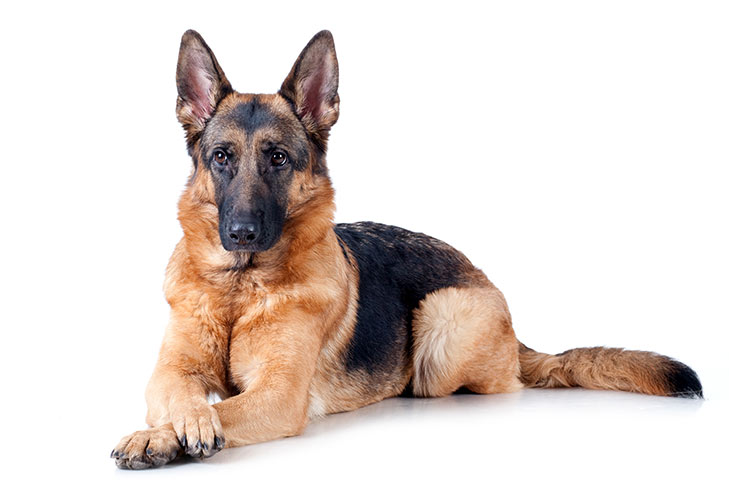
Are German Shepherds Easy to Train?
The short answer is yes — German Shepherds are among the most trainable dog breeds available. With a perfect trainability score, these intelligent working dogs were bred to follow commands and work closely with humans.
What most owners don't realize is that their German Shepherd's eagerness to learn can be both a blessing and a challenge. These dogs pick up new behaviors quickly, which means they'll learn good habits just as fast as bad ones. Their herding background gives them a natural desire to please and work alongside their human pack.
Here's the thing about German Shepherds: they need mental stimulation as much as physical exercise. Their high intelligence means they get bored easily without proper challenges. A bored German Shepherd often becomes a destructive German Shepherd, so consistent training isn't just helpful — it's essential for a well-behaved companion.
Their working breed heritage means they thrive on having a job to do. Whether that's learning new commands, practicing agility, or mastering household rules, German Shepherds perform best when they understand their role in the family structure.
Best Training Methods for German Shepherds
Positive reinforcement works exceptionally well with German Shepherds because of their strong desire to please their owners. These dogs respond best to reward-based training that combines treats, praise, and play as motivators.
Food rewards are particularly effective during puppyhood and early training phases. German Shepherds are typically food-motivated, but you'll want to use high-value treats that really capture their attention. Small pieces of cooked chicken, cheese, or commercial training treats work well for most dogs.
You'll notice that German Shepherds also respond strongly to verbal praise and physical affection. Their loyal nature means they genuinely want to make you happy, so enthusiastic "good dog!" praise combined with petting can be just as motivating as treats.
Keep training sessions short but frequent — 10 to 15 minutes several times throughout the day works better than one long session. German Shepherds have excellent focus, but puppies especially can get overwhelmed with extended training periods. End each session on a positive note with a command they've already mastered.
Consistency is crucial with this breed. German Shepherds are smart enough to test boundaries and figure out when rules don't apply. Make sure all family members use the same commands and enforce the same rules to avoid confusing your dog.
- Use high-value treats like chicken or cheese for motivation
- Combine food rewards with enthusiastic verbal praise
- Keep sessions short (10-15 minutes) but frequent
- End each session with a successful command
- Ensure all family members use consistent commands
German Shepherd Puppy Training Essentials
Start with the fundamental commands that will form the foundation of your German Shepherd's training. "Sit," "stay," "come," and "down" should be your first priorities. These working dogs learn quickly, so most puppies can master basic commands within a few weeks of consistent practice.
House training typically takes 4 to 6 months for German Shepherds, though some may catch on sooner. Their intelligence works in your favor here — they quickly understand the concept of appropriate elimination areas. Establish a consistent schedule for meals, water, and potty breaks to speed up the process.
Crate training is particularly beneficial for German Shepherd puppies. These dogs naturally seek den-like spaces, and a properly sized crate becomes their safe haven. Start with short periods and gradually increase crate time, always making it a positive experience with treats and comfortable bedding.
Early socialization is non-negotiable for German Shepherds. Their moderate score with other dogs means they need positive exposure to different animals, people, and situations during their critical socialization period (3 to 14 weeks). Well-socialized German Shepherds are confident, well-adjusted adults.
Leash training should begin as early as possible. German Shepherds grow into large, strong dogs, so teaching proper leash manners while they're small saves you from dealing with a 90-pound dog that pulls. Start indoors with a collar and leash, letting them get comfortable with the sensation before heading outside.
Common German Shepherd Behavior Challenges
German Shepherds' high energy levels can lead to destructive behaviors if not properly channeled. These dogs were bred to work all day, so without adequate physical and mental stimulation, they may chew furniture, dig holes, or engage in other destructive activities. The solution is providing enough exercise and mental challenges through training, puzzle toys, and interactive games.
Barking can be another challenge with German Shepherds, as they have moderate barking tendencies and strong protective instincts. They may bark at strangers, other animals, or unusual sounds. Teaching a "quiet" command early and rewarding calm behavior helps manage excessive vocalization. Remember that some barking is natural for this breed — they were bred to be watchdogs.
Separation anxiety sometimes develops in German Shepherds due to their strong bond with their families. These loyal dogs may become destructive or vocal when left alone. Gradual conditioning to alone time, starting with very short periods, helps prevent separation issues. Providing mental stimulation through puzzle toys can also help keep them occupied.
Resource guarding can emerge if not addressed early. German Shepherds may become protective of food, toys, or favorite spots. Prevention is easier than correction — teach your puppy that human hands near their resources mean good things happen. Practice taking and returning their food bowl or toys while giving treats.
Some German Shepherds develop leash reactivity or become overly protective on walks. Their moderate sociability with other dogs means careful, positive exposure to other animals is crucial. If your German Shepherd becomes reactive, work on counter-conditioning exercises that change their emotional response to triggers.
Professional Training for German Shepherds
Take your German Shepherd's training to the next level with expert-designed courses that understand this breed's unique needs and intelligence.
Socialization Tips for German Shepherds
German Shepherds' excellent compatibility with children makes them wonderful family dogs, but proper socialization ensures they interact appropriately with kids of all ages. Teach children how to interact gently with your German Shepherd, and always supervise interactions with very young children due to the breed's size and energy.
Their moderate compatibility with other dogs means German Shepherds can get along well with canine companions, but they need proper introductions and ongoing positive experiences. Start socialization early with well-behaved, vaccinated dogs in controlled environments. Dog parks aren't always the best choice for German Shepherds, as their size and intensity can be misinterpreted by other dogs.
Expose your German Shepherd to various environments, sounds, and experiences during their critical socialization period. This includes car rides, different surfaces (grass, concrete, gravel), urban sounds, and meeting people of different ages and appearances. The goal is creating positive associations with new experiences.
Puppy classes are invaluable for German Shepherd socialization. These structured environments allow controlled interactions with other puppies while learning basic obedience. Look for classes that emphasize positive training methods and appropriate puppy play.
Continue socialization throughout your German Shepherd's life. Regular exposure to new situations, people, and animals helps maintain their social skills and prevents fearfulness or aggression from developing. Adult German Shepherds can still learn to accept new experiences with patience and positive reinforcement.