
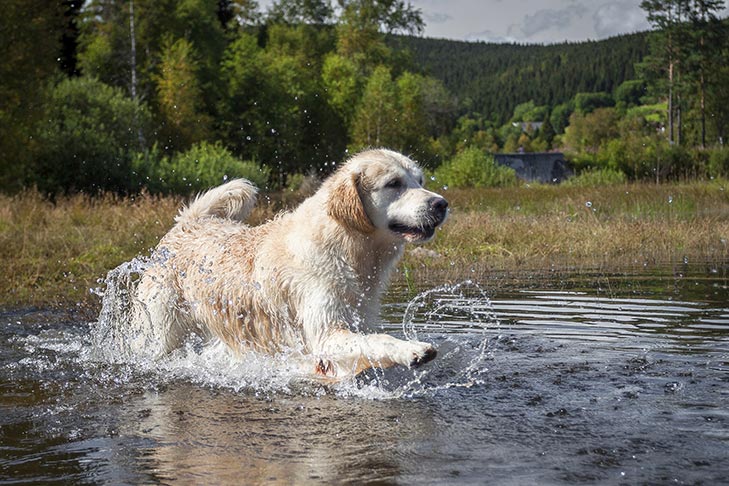
Are Golden Retrievers Easy to Train?
The short answer is yes — Golden Retrievers are exceptionally easy to train. With a perfect trainability score of 5 out of 5, they consistently rank among the most trainable dog breeds in the world.
What makes Golden Retrievers such excellent students? Their breeding history holds the key. Originally developed in Scotland for retrieving game, these dogs were selected for their ability to follow complex commands, work closely with hunters, and maintain focus during long training sessions.
Their eager-to-please personality means they genuinely want to make you happy. Unlike some independent breeds that question every command, Golden Retrievers thrive on positive feedback and quickly learn what behaviors earn them praise and treats.
You'll notice that Golden Retrievers also have moderate energy levels (scoring 3 out of 5), which works in your favor during training. They're energetic enough to stay engaged but not so hyper that they can't focus on learning new commands.
Best Training Methods for Golden Retrievers
Positive reinforcement is the gold standard for Golden Retriever training. These dogs respond beautifully to praise, treats, and play rewards — harsh corrections or punishment-based methods will only dampen their enthusiasm to learn.
Here's what motivates Golden Retrievers most effectively: food rewards work wonderfully, especially high-value treats like small pieces of chicken or cheese. Verbal praise in an excited, happy tone gets their tails wagging and reinforces good behavior. Play rewards like a quick game of fetch or tug can be incredibly motivating for this sporting breed.
Keep training sessions short and sweet. Golden Retrievers can focus well, but 10-15 minute sessions work best for puppies, while adult dogs can handle 20-30 minute sessions. The key is ending on a positive note while they're still engaged and successful.
Consistency is everything with Golden Retrievers. They learn patterns quickly, so make sure everyone in your household uses the same commands and rewards. Mixed messages will confuse even the smartest Golden Retriever.
Incorporate their natural retrieving instincts into training. Teaching "fetch," "drop it," and "give" comes naturally to most Golden Retrievers and builds a foundation for more complex commands.
Golden Retriever Puppy Training Essentials
Start with the basics the moment your Golden Retriever puppy comes home. The first commands every Golden Retriever should master are "sit," "stay," "come," and "down." These foundation commands set the stage for everything else.
House training typically takes 4-6 months for Golden Retrievers, though some catch on faster. Take your puppy outside first thing in the morning, after meals, after naps, and before bed. Their eagerness to please means they'll quickly learn the routine if you're consistent.
Crate training works exceptionally well with Golden Retrievers. They naturally like having a den-like space, and it helps with house training while preventing destructive behaviors when you're away. Make the crate comfortable with soft bedding and never use it as punishment.
Socialization is crucial during the first 16 weeks of life. Golden Retrievers score 5 out of 5 for being good with children and other dogs, but this natural friendliness needs proper development through exposure to different people, animals, sounds, and environments.
Bite inhibition training is essential for Golden Retriever puppies. They're mouthy by nature due to their retrieving background, so teach them what's appropriate to put in their mouths and what isn't. Redirect inappropriate chewing to approved toys immediately.
Common Golden Retriever Behavior Challenges
Despite their excellent trainability, Golden Retrievers do present some breed-specific challenges that owners need to address through targeted training.
Excessive jumping is probably the most common issue. Golden Retrievers are naturally exuberant and want to greet everyone at face level. Their size (65-75 pounds) makes this problematic, especially around children or elderly people. Train an alternative greeting behavior like "sit" before allowing any interaction with visitors.
Destructive chewing often stems from their moderate energy levels not being properly channeled. A bored Golden Retriever will find their own entertainment, usually involving your favorite shoes or furniture. Provide plenty of appropriate chew toys and ensure they get adequate mental and physical stimulation daily.
Counter surfing is another common problem. Golden Retrievers are tall enough to reach countertops and their food motivation makes kitchen exploration irresistible. Train a solid "leave it" command and never leave tempting items within reach while they're learning.
Overexcitement during greetings or playtime can be challenging to manage. Their friendly nature (scoring 5/5 with children and dogs) sometimes translates to overwhelming enthusiasm. Practice calm greetings and teach them to control their excitement through "settle" or "easy" commands.
What most owners don't realize is that Golden Retrievers can develop separation anxiety if not properly conditioned to alone time. Their people-pleasing nature means they genuinely prefer being with their family, so gradual alone-time training is essential.
Professional Training for Golden Retrievers
Take your Golden Retriever's training to the next level with expert-designed courses that understand their unique learning style and natural abilities.