
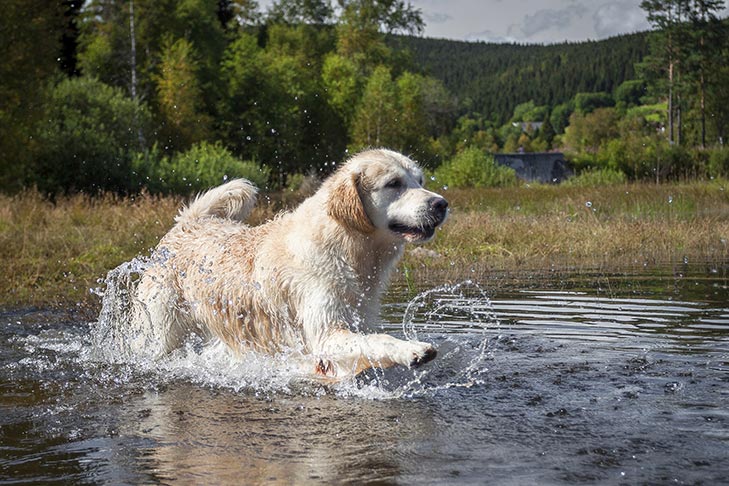
About the Golden Retriever
The Golden Retriever is a large, muscular breed originally developed in Scotland for retrieving game during hunting expeditions. These dogs were bred to work alongside hunters, using their soft mouths to retrieve waterfowl without damaging the catch.
What sets Golden Retrievers apart is their incredible combination of intelligence, friendliness, and eagerness to please. They consistently rank among the most popular family dogs, currently holding the #3 spot in breed popularity rankings.
Golden Retrievers are natural people-pleasers who thrive on human companionship. Their gentle nature and high trainability make them excellent choices for families, therapy work, and service dog roles.
These sporting dogs maintain their working heritage through their love of activity and mental stimulation. They're happiest when they have a job to do, whether that's fetching a tennis ball or learning new commands.
Trainability
Exceptional learners
Family-Friendly
Outstanding with kids
Social Nature
Loves other dogs
Energy Level
Moderate activity needs
Shedding
Heavy seasonal shedding
Barking
Generally quiet
Golden Retriever Temperament & Personality
Golden Retrievers are known for their gentle, friendly disposition and unwavering loyalty to their families. They combine intelligence with an eager-to-please attitude that makes them both wonderful companions and highly trainable partners.
❤️Gentle & Loving
Golden Retrievers have naturally soft temperaments that make them excellent family dogs. They're patient with children and form strong bonds with all family members.
🤝Highly Social
These dogs thrive on interaction with people and other pets. They're rarely aggressive and typically greet strangers with enthusiasm rather than suspicion.
🧠Intelligent & Eager
Their combination of smarts and willingness to work makes Golden Retrievers incredibly trainable. They excel at learning commands and genuinely enjoy mental challenges.
🎾Playful Spirit
Golden Retrievers maintain their playful nature well into adulthood. They love games, especially anything involving fetching or retrieving objects.
🛡️Loyal Companion
While friendly with everyone, Golden Retrievers form deep attachments to their families. They're naturally protective without being aggressive or territorial.
Golden Retriever Grooming Needs
Golden Retrievers have moderate grooming needs, though their heavy shedding (scoring 4 out of 5) means regular brushing is essential. Their beautiful double coat requires consistent maintenance to prevent matting and manage seasonal shedding. Daily brushing during shedding seasons and 2-3 times weekly otherwise will keep their coat healthy and your home cleaner. Regular baths every 6-8 weeks help maintain their coat's natural oils and golden shine.
Full Grooming Guide →Golden Retriever Health & Lifespan
Golden Retrievers typically live 12-14 years and are generally healthy dogs when bred responsibly. Like many large breeds, they can be prone to certain genetic conditions that potential owners should be aware of.
- ⚠️Hip DysplasiaThis genetic condition affects the hip joint and is common in larger breeds like Golden Retrievers. It can cause mobility issues and arthritis over time. Talk to your vet if you notice limping or difficulty getting up.
- ⚠️Elbow DysplasiaSimilar to hip dysplasia, this condition affects the elbow joints and can cause lameness in the front legs. Early detection through veterinary screening is important for management. Talk to your vet if you notice symptoms.
- ⚠️Heart ConditionsGolden Retrievers can develop various heart problems, including subvalvular aortic stenosis. Regular cardiac screenings help catch issues early for better outcomes. Talk to your vet if you notice exercise intolerance or breathing difficulties.
- ⚠️Eye ProblemsProgressive retinal atrophy and cataracts can affect Golden Retrievers as they age. Annual eye exams help monitor for changes in vision. Talk to your vet if you notice changes in your dog's eyesight or behavior.
- ⚠️CancerUnfortunately, Golden Retrievers have higher rates of certain cancers, particularly hemangiosarcoma and lymphoma. Regular veterinary checkups are crucial for early detection. Talk to your vet about any unusual lumps, bumps, or behavioral changes.
Feeding Your Golden Retriever
Golden Retrievers are large dogs weighing 65-75 pounds and need high-quality nutrition to support their active lifestyle and maintain their beautiful coats. Their moderate energy level means they need balanced nutrition without excess calories that could lead to weight gain. Choose a premium dog food formulated for large breeds, and divide daily portions into two meals to prevent bloat. The amount will vary based on age, activity level, and metabolism, but most adult Golden Retrievers need 2-3 cups of dry food daily.
Full Feeding Guide →Golden Retriever Exercise Needs
With a moderate energy score of 3 out of 5, Golden Retrievers need regular exercise but aren't hyperactive dogs. They thrive with 60-90 minutes of daily activity, which can include walks, swimming, fetch, and mental stimulation games. Their sporting heritage means they excel at activities like retrieving and water sports. Mental exercise is just as important as physical activity for these intelligent dogs, so puzzle toys and training sessions help keep them satisfied.
Training Tips →