
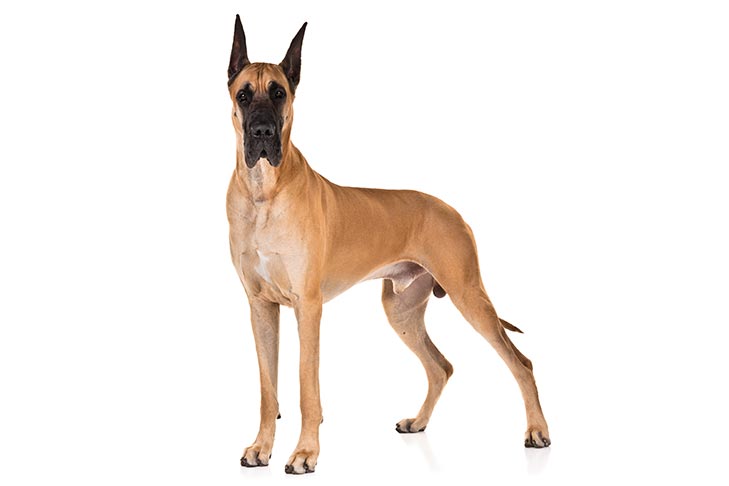
How Long Do Great Danes Live?
Great Danes typically live 8-10 years, which is shorter than most dog breeds. This reduced lifespan is common among giant breeds, where size directly impacts longevity.
What most owners don't realize is that larger dogs age faster than smaller ones. A Great Dane reaches senior status around 6-7 years old, while a small breed might not be considered senior until 10-12 years.
Here's the thing about giant breed lifespans — quality of life matters more than quantity. With proper care, nutrition, and preventive health measures, many Great Danes live full, healthy lives within their expected range.
Common Health Conditions in Great Danes
Like all breeds, Great Danes may be prone to certain health conditions. Their giant size makes them particularly susceptible to issues affecting large, deep-chested dogs.
Understanding these potential health concerns helps you recognize early warning signs and work with your veterinarian to maintain your Great Dane's health.
Preventive Care Checklist for Great Danes
Prevention is the best medicine for maintaining your Great Dane's health. Regular veterinary care combined with proper daily management can help prevent or catch issues early.
You'll notice that many preventive measures focus on their unique needs as a giant breed. Here's what every Great Dane owner should prioritize:
- Annual wellness exams with bloodwork starting at age 1
- Cardiac screening every 1-2 years after age 3
- Hip and elbow evaluations for breeding dogs
- Elevated feeding bowls and multiple small meals to reduce bloat risk
- Joint supplements and weight management from puppyhood
- Regular exercise appropriate for giant breed development
- Dental care including professional cleanings
- Spay/neuter timing discussion with your vet (may benefit from delayed surgery)
Genetic Testing & Screening for Great Danes
Responsible Great Dane breeders perform health testing on breeding dogs to reduce the risk of passing genetic conditions to puppies. If you're considering a Great Dane puppy, ask about parent health clearances.
The short answer is that genetic testing can't prevent all health issues, but it significantly reduces risk. Common screenings for Great Danes include hip and elbow evaluations, cardiac exams, and eye clearances.
For current Great Dane owners, genetic testing can provide valuable information about your dog's risk factors, helping you and your vet create a targeted health monitoring plan.
Is Pet Insurance Worth It for Great Danes?
Given their potential for serious health conditions and the high cost of treating giant breed dogs, pet insurance can be particularly valuable for Great Dane owners. Emergency surgeries like bloat treatment or cancer care can easily cost thousands of dollars.
What most owners don't realize is that insurance works best when you enroll early, before any health issues develop. Pre-existing conditions are typically excluded from coverage.
The key is finding a policy that covers genetic conditions and doesn't have breed exclusions. Many Great Dane owners find that insurance provides peace of mind and helps them make medical decisions based on what's best for their dog, not just what they can afford.
Protect Your Great Dane's Health
Giant breeds face unique health challenges that can be expensive to treat. Pet insurance helps ensure you can provide the best care when your gentle giant needs it most.