
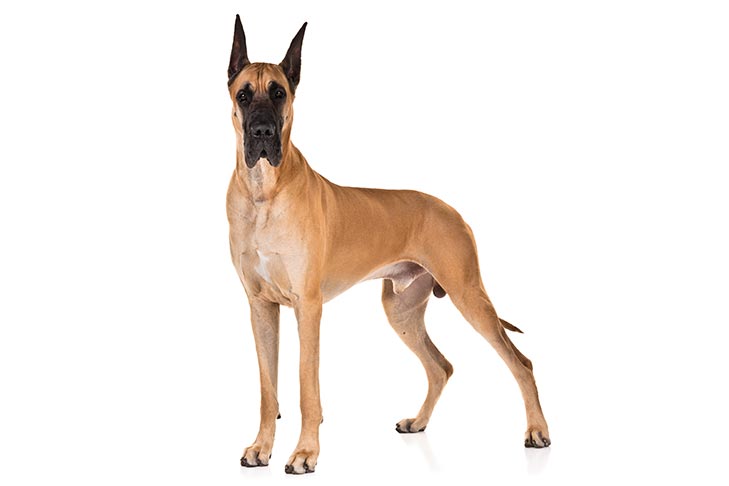
About the Great Dane
The Great Dane stands as one of the most impressive dog breeds, originally bred in Germany for hunting large game. These gentle giants combine power with grace, reaching heights of 30-32 inches and weighing between 140-175 pounds.
Despite their imposing size, Great Danes are known for their intelligent, loyal, and gentle nature. They make excellent companion dogs who often think they're lap dogs, much to their owners' surprise.
What most owners don't realize is that these working dogs have moderate exercise needs and relatively low grooming requirements. Their popularity as the 20th most popular breed speaks to their wonderful balance of size, temperament, and companionship.
Great Danes typically live 8-10 years, making every moment with these magnificent dogs precious. Their calm demeanor and loyalty make them ideal family companions for those who have space for such a large breed.
Size
Giant breed, 140-175 lbs
Energy Level
Moderate to high activity
Shedding
Moderate shedding
Training
Moderately trainable
Family Life
Good with children
Grooming
Very low maintenance
Great Dane Temperament & Personality
Great Danes are gentle giants known for their calm, friendly disposition despite their impressive size. They're intelligent and loyal companions who form strong bonds with their families while maintaining a patient, even-tempered nature.
💝Gentle Giants
Despite their massive size, Great Danes are remarkably gentle and patient. They're known for their calm demeanor and sweet nature, making them excellent therapy dogs.
🧠Intelligent & Loyal
These dogs are highly intelligent and form deep bonds with their families. Their loyalty is unwavering, and they often become devoted shadows to their favorite humans.
🏠Excellent Companions
Great Danes thrive on human companionship and prefer to be close to their families. They're often called 'velcro dogs' because of their desire to stay near their loved ones.
🎯Calm Confidence
Their working dog heritage gives them a confident, steady temperament. They're typically not aggressive but will alert their families to visitors with moderate barking.
Great Dane Grooming Needs
Great Danes are surprisingly low-maintenance when it comes to grooming, scoring just 1 out of 5 for grooming needs. Their short, smooth coat requires minimal care with weekly brushing to manage their moderate shedding. Despite their size, they're one of the easier large breeds to keep looking their best with basic grooming routines.
Full Grooming Guide →Great Dane Health & Lifespan
Great Danes typically live 8-10 years, which is shorter than smaller breeds but typical for giant dogs. Their size makes them prone to certain health conditions that require monitoring throughout their lives.
- ⚠️Bloat (Gastric Dilatation-Volvulus)This life-threatening condition is common in deep-chested breeds like Great Danes. Symptoms include restlessness, drooling, and a distended abdomen. Talk to your vet if you notice symptoms.
- ⚠️Hip DysplasiaLarge breeds are prone to hip joint problems that can cause pain and mobility issues. Regular vet checkups can help detect early signs. Talk to your vet if you notice symptoms.
- ⚠️Heart ConditionsGreat Danes can develop dilated cardiomyopathy and other heart issues. Annual cardiac screenings are important for early detection. Talk to your vet if you notice symptoms.
- ⚠️Bone CancerGiant breeds have higher rates of osteosarcoma, particularly in their leg bones. Watch for lameness or swelling in the limbs. Talk to your vet if you notice symptoms.
Feeding Your Great Dane
Great Danes require high-quality nutrition to support their massive size and moderate to high energy levels. These gentle giants need carefully portioned meals to prevent bloat, typically eating 6-10 cups of food daily split into multiple meals. Their rapid growth as puppies requires special large-breed formulas to support proper bone development. Working with your vet to establish proper feeding schedules is crucial for this breed's health.
Full Feeding Guide →Great Dane Exercise Needs
Great Danes have moderate to high energy levels, scoring 4 out of 5 for activity needs, but their exercise requirements are more about consistency than intensity. Daily walks and moderate playtime are essential, though they're generally content with less vigorous activity than smaller, more energetic breeds. You'll notice that adult Great Danes often prefer leisurely strolls and short bursts of play rather than marathon running sessions. Their size means they need proper conditioning to avoid joint stress during exercise.
Training Tips →