
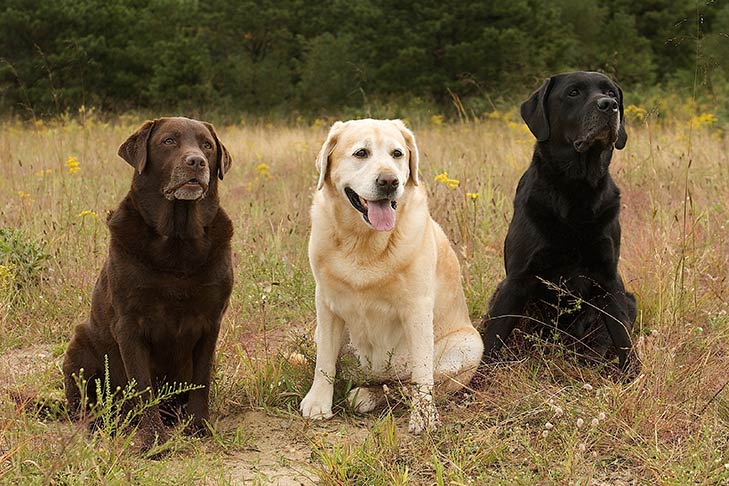
Are Labrador Retrievers Easy to Train?
The short answer is yes — Labrador Retrievers are exceptionally easy to train. With a perfect trainability score of 5 out of 5, Labs consistently rank among the top breeds for learning new commands and behaviors.
What makes Labrador Retrievers such excellent students? Their intelligence, combined with an eager-to-please temperament, creates the perfect foundation for training success. Originally bred in Canada for retrieving game, these dogs were developed to work closely with humans and follow complex commands.
You'll notice that Labs are naturally motivated by food rewards, making positive reinforcement training highly effective. Their friendly and adaptable nature means they respond well to consistent training routines without the stubbornness you might encounter in other breeds.
However, their high energy level (scoring 5/5) means training sessions need to be engaging and physically stimulating. A bored Labrador Retriever can quickly become destructive, so incorporating their natural athleticism into training is key to success.
Best Training Methods for Labrador Retrievers
Positive reinforcement training works exceptionally well with Labrador Retrievers. These dogs thrive on praise, treats, and play rewards, making it easy to motivate them during training sessions.
Food-Based Training: Labs are notoriously food-motivated, which makes treat-based training highly effective. Use small, high-value treats like tiny pieces of chicken or commercial training treats. Keep sessions short (10-15 minutes) to maintain focus and prevent overfeeding.
Clicker Training: The precision of clicker training pairs perfectly with a Lab's intelligence. The clear communication helps them understand exactly which behavior earned the reward, speeding up the learning process significantly.
Retrieval Games: Incorporate their natural retrieving instincts into training. Teaching "fetch" and "drop it" commands becomes much easier when you're working with their bred-for behaviors. Use tennis balls, frisbees, or training dummies to make lessons engaging.
Swimming Training: Many Labs love water, so pool or lake training sessions can be incredibly motivating. Water retrieval exercises provide both physical exercise and mental stimulation while reinforcing commands.
Keep training sessions energetic and varied. A high-energy breed like the Labrador Retriever needs mental stimulation to match their physical needs, so rotate between different training activities to prevent boredom.
Puppy Training Essentials for Labrador Retrievers
Starting early is crucial with Labrador Retriever puppies. Their high trainability means they can begin learning basic commands as early as 8 weeks old, but their high energy levels require immediate structure.
First Commands to Teach: Start with "sit," "stay," "come," and "down." Labs typically master these basics within 2-3 weeks of consistent daily practice. Their eagerness to please makes initial command training relatively straightforward.
House Training Timeline: Most Labrador Retriever puppies can be fully house trained within 4-6 months with consistent effort. Take them outside every 2 hours, immediately after meals, and first thing in the morning. Their intelligence helps them quickly understand the routine.
Crate Training: Labs adapt well to crate training, which helps with house training and prevents destructive behavior. Make the crate comfortable and never use it as punishment. Most Lab puppies accept crate training within a week.
Socialization Window: The critical socialization period (3-14 weeks) is essential for Labs. Their naturally friendly temperament makes socialization easier, but exposure to different people, animals, and environments during this window prevents behavioral issues later.
Bite Inhibition: Lab puppies are mouthy and need to learn appropriate bite pressure early. Redirect biting to appropriate toys and end play sessions when they bite too hard. Their desire to please makes this training effective when done consistently.
Common Behavior Challenges in Labrador Retrievers
Despite their excellent trainability, Labrador Retrievers face specific behavioral challenges that stem from their breed characteristics.
Destructive Behavior from High Energy: With an energy level of 5/5, under-exercised Labs become destructive. They'll chew furniture, dig holes, or tear up belongings when bored. The solution is providing adequate physical exercise (60-90 minutes daily) combined with mental stimulation through puzzle toys and training games.
Excessive Barking: Labs score 3/5 for barking, which means moderate vocalization that can become problematic without proper training. They often bark from excitement, boredom, or to get attention. Teaching the "quiet" command and ignoring attention-seeking barks helps manage this behavior.
Jumping on People: Their friendly nature (5/5 with children and dogs) combined with high energy often results in enthusiastic jumping. Labs jump to greet people, but their size makes this problematic. Train alternative greeting behaviors like "sit" before meeting new people.
Counter Surfing and Food Stealing: Their food motivation can lead to counter surfing and stealing food. Teaching "leave it" and "stay" commands while consistently managing their environment prevents this behavior from becoming ingrained.
Pulling on Leash: High-energy Labs often pull during walks from excitement and eagerness to explore. Loose-leash training using positive reinforcement and stopping forward movement when they pull teaches proper walking behavior.
What most owners don't realize is that many of these behaviors stem from insufficient mental and physical stimulation rather than disobedience. Labs need jobs to do, and training provides that mental work they crave.
Professional Training for Labrador Retrievers
Take your Lab's training to the next level with expert-designed courses tailored for high-energy, intelligent breeds.
Socialization Tips for Labrador Retrievers
Labrador Retrievers excel in social situations, scoring perfect 5/5 ratings for compatibility with both children and other dogs. However, proper socialization ensures this natural friendliness develops appropriately.
Dog-to-Dog Socialization: Labs typically love other dogs, but they need to learn appropriate play behavior. Arrange supervised playdates with well-socialized dogs of different sizes and temperaments. Dog parks can be great for adult Labs, but wait until puppies are fully vaccinated.
Child Socialization: Their excellent compatibility with children makes Labs wonderful family pets, but they need to learn gentle behavior around small kids. Teach children how to interact appropriately with the dog, and always supervise interactions with toddlers.
Stranger Socialization: While naturally friendly, Labs should learn to greet strangers calmly rather than jumping enthusiastically. Practice "sit" greetings with different people in various settings to generalize the behavior.
Environmental Exposure: Expose your Lab to different environments, sounds, and experiences during puppyhood. Take them to pet stores, outdoor cafes, and busy streets (after vaccinations) to build confidence and adaptability.
Ongoing Socialization: Socialization doesn't end after puppyhood. Continue exposing adult Labs to new experiences to maintain their social skills and prevent fearfulness or reactivity from developing.
Here's the thing — Labs' natural social nature makes this process easier than with many breeds, but consistency is still key to raising a well-adjusted dog.