
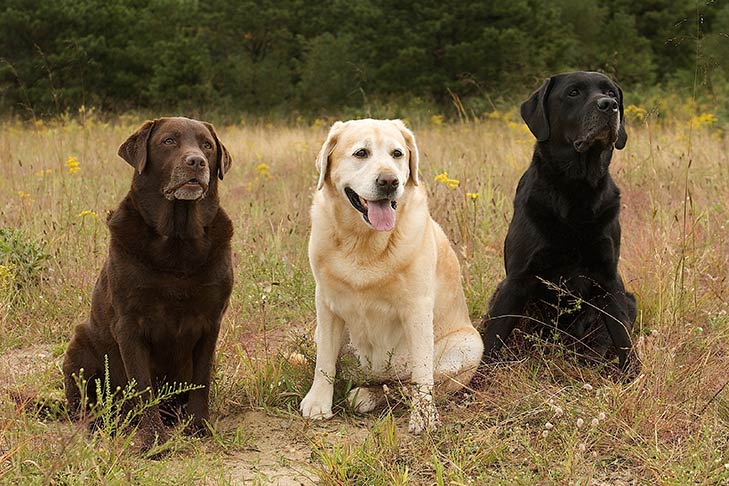
About the Labrador Retriever
The Labrador Retriever stands as America's most popular dog breed for good reason. Originally bred in Canada for retrieving game, these large and muscular dogs quickly became beloved family companions worldwide.
Labs are the perfect combination of intelligence, friendliness, and eagerness to please. Weighing between 65-80 pounds and standing 22.5-24.5 inches tall, they're substantial dogs with gentle hearts.
What most owners don't realize is how versatile these dogs truly are. From therapy work to search and rescue, Labs excel in countless roles while remaining devoted family members.
Their sporting background means they thrive on activity and mental stimulation. With a lifespan of 12-14 years, Labs offer over a decade of loyal companionship to active families.
Energy Level
Very High
Trainability
Excellent
Kid-Friendly
Outstanding
Dog-Friendly
Excellent
Shedding
High
Grooming
Low Maintenance
Labrador Retriever Temperament & Personality
Labrador Retrievers are renowned for their friendly, outgoing nature and incredible eagerness to please. They're naturally social dogs who thrive on human interaction and rarely meet a stranger they don't like.
❤️Friendly & Outgoing
Labs greet everyone with enthusiasm and warmth. Their naturally social disposition makes them poor guard dogs but excellent family companions who welcome visitors with wagging tails.
🧠Intelligent & Eager
These dogs live to please their families and learn quickly. Their combination of intelligence and motivation makes training a joy, though they can be mouthy puppies who need guidance.
🏃High Energy & Playful
Labs maintain their playful puppy spirit well into adulthood. They need substantial daily exercise and mental stimulation to prevent destructive behaviors from boredom.
🤝Patient & Gentle
Known for their exceptional tolerance with children, Labs are naturally gentle despite their size. They instinctively moderate their energy around small family members while remaining protective.
🎾Retriever Instincts
Their breeding shows in their love of fetching and carrying objects in their mouths. Labs often greet family members with gifts and excel at games involving retrieval and swimming.
Labrador Retriever Grooming Needs
Despite their high shedding score, Labrador Retrievers are surprisingly low-maintenance when it comes to grooming. Their short, dense double coat requires regular brushing but no professional styling. You'll want to brush them 2-3 times weekly to manage the substantial year-round shedding, with daily brushing during seasonal coat blowouts. Their water-resistant coat should only be bathed when necessary to preserve natural oils.
Full Grooming Guide →Labrador Retriever Health & Lifespan
Labrador Retrievers typically enjoy 12-14 years of healthy life when properly cared for. As a large sporting breed, they're generally robust but can be prone to certain genetic conditions that responsible breeding helps minimize.
- ⚠️Hip & Elbow DysplasiaCommon in large breeds, these joint conditions can cause pain and mobility issues. Responsible breeders screen for these conditions, and maintaining proper weight helps reduce risk. Talk to your vet if you notice limping or reluctance to exercise.
- ⚠️Eye ConditionsLabs can develop progressive retinal atrophy and cataracts as they age. Regular eye exams help catch these conditions early when treatment is most effective. Talk to your vet if you notice vision changes or eye cloudiness.
- ⚠️Exercise-Induced CollapseSome Labs experience muscle weakness after intense exercise due to a genetic condition. Episodes typically resolve with rest, but affected dogs need modified exercise routines. Talk to your vet if your Lab shows weakness during activity.
- ⚠️Bloat (GDV)Large, deep-chested dogs like Labs can develop life-threatening stomach twisting. Feeding smaller meals and avoiding exercise immediately after eating helps reduce risk. Talk to your vet immediately if your dog shows signs of distress after eating.
- ⚠️ObesityLabs love food and can easily become overweight, leading to joint problems and other health issues. Portion control and regular exercise are essential for maintaining healthy weight. Talk to your vet about proper feeding amounts for your Lab's age and activity level.
Feeding Your Labrador Retriever
Large, high-energy dogs like Labrador Retrievers need quality nutrition to fuel their active lifestyles. Adult Labs typically require 2.5-3 cups of high-quality dry food daily, divided into two meals to reduce bloat risk. Their love of food means portion control is crucial - Labs will eat until they're uncomfortably full if allowed. Choose a formula designed for large breeds with appropriate protein levels to support their muscle mass and joint health.
Full Feeding Guide →Labrador Retriever Exercise Needs
With a maximum energy score of 5, Labrador Retrievers need substantial daily exercise to stay happy and healthy. Plan for at least 2 hours of activity daily, including walks, fetch sessions, and swimming if possible. Their sporting heritage means they excel at activities like hiking, running, and water sports. Mental stimulation through training and puzzle toys is equally important to prevent destructive behaviors from boredom.
Training Tips →