
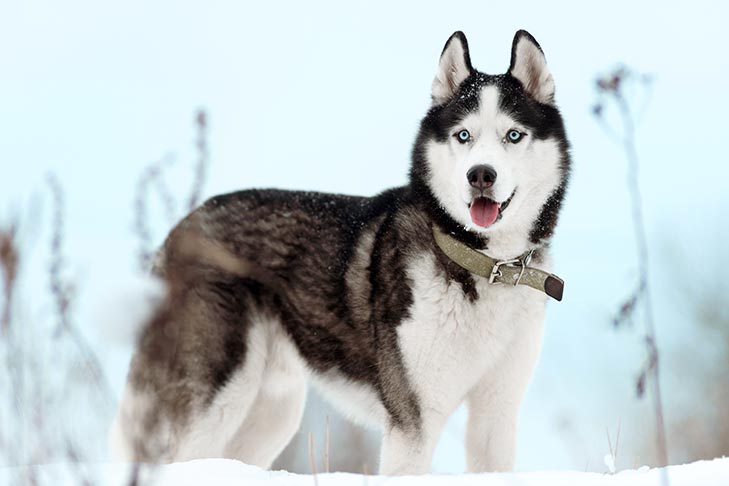
Understanding Your Siberian Husky's Double Coat
The Siberian Husky's thick double coat is their defining feature and biggest grooming challenge. This breed scores 4 out of 5 for shedding, meaning you'll find fur everywhere without proper maintenance.
The double coat consists of a dense, soft undercoat that provides insulation and a longer, coarser outer coat that repels water and debris. This combination kept their ancestors warm in the harsh Siberian climate, but it means modern Huskies shed year-round with two major "blowout" periods.
What most owners don't realize is that Huskies "blow" their coat twice yearly, typically in spring and fall. During these 2-3 week periods, you'll see massive amounts of undercoat shedding as your dog prepares for seasonal temperature changes.
The good news? Despite their heavy shedding, Huskies actually score only 2 out of 5 for grooming needs. Their coat naturally repels dirt and rarely develops mats when properly maintained.
Brushing Your Siberian Husky: Frequency and Technique
Regular brushing is non-negotiable for Siberian Husky owners. During normal shedding periods, brush your Husky 2-3 times per week. During coat blowouts, daily brushing becomes essential to manage the massive amount of loose fur.
Start with an undercoat rake or deshedding tool to remove loose undercoat. Work systematically from head to tail, paying special attention to areas where fur tends to accumulate like the chest, hindquarters, and behind the ears. Use gentle, consistent strokes following the direction of hair growth.
After removing the undercoat, switch to a slicker brush or pin brush to smooth the outer coat and catch any remaining loose hairs. This two-step process ensures you're addressing both coat layers effectively.
Here's the thing about brushing technique: never brush a completely dry coat during heavy shedding periods. Lightly mist the fur with water or a detangling spray to reduce static and make brushing more comfortable for your dog.
The entire brushing session should take 15-20 minutes during normal periods, but expect 30-45 minutes during seasonal blowouts. Your Husky will learn to enjoy this routine bonding time when done consistently and gently.
Bathing Your Siberian Husky: Less is More
Siberian Huskies need baths less frequently than most breeds due to their self-cleaning coat properties. Bathe your Husky only every 6-12 weeks unless they've gotten into something messy or smelly.
Over-bathing strips the natural oils from their double coat, leading to skin irritation and paradoxically more odor and dirt accumulation. The natural oils in their coat help repel dirt and maintain healthy skin underneath all that fur.
When you do bathe your Husky, use lukewarm water and a high-quality dog shampoo formulated for double coats. Thoroughly wet the coat down to the skin – this takes longer than you'd expect with such dense fur. Work the shampoo through both coat layers, paying attention to areas that tend to get dirtiest.
Rinsing is the most critical part of bathing a Husky. Any soap residue left in the dense undercoat can cause skin irritation and matting. Rinse until the water runs completely clear, then rinse some more.
Drying is equally important. Use a high-velocity dryer if possible, or at minimum, towel dry thoroughly and use a regular blow dryer on cool setting. A damp undercoat can develop hot spots or fungal issues.
Essential Nail, Ear, and Dental Care
Beyond coat care, your Siberian Husky needs regular attention to nails, ears, and teeth. These working dogs were bred for endurance and activity, so their grooming routine should support their active lifestyle.
Nail trimming should happen every 2-3 weeks, or when you hear clicking on hard floors. Huskies typically have dark nails, making it harder to see the pink quick inside. Trim small amounts frequently rather than trying to cut a lot at once.
- Check ears weekly for wax buildup, odor, or redness
- Clean ears with veterinarian-approved ear cleaner and cotton balls
- Never use cotton swabs deep in the ear canal
- Brush teeth 2-3 times weekly with dog-specific toothpaste
- Provide dental chews or toys to help maintain oral health
- Watch for signs of dental disease like bad breath or difficulty eating
Professional Grooming for Siberian Huskies
Most Siberian Husky owners can handle routine grooming at home, but professional grooming has its place. Consider professional services during seasonal coat blowouts when the sheer volume of shedding becomes overwhelming.
A professional groomer can perform a thorough deshedding treatment that removes far more undercoat than home brushing alone. This service typically costs $60-120 depending on your location and the dog's size and coat condition.
You'll notice that many groomers offer "Husky packages" specifically designed for double-coated breeds. These usually include deshedding treatment, bath, nail trim, and ear cleaning – essentially a complete maintenance session.
Never allow a groomer to shave your Siberian Husky's coat. Shaving destroys the natural temperature regulation properties of the double coat and can lead to permanent coat damage. The coat may grow back unevenly or with altered texture.
Schedule professional grooming 2-3 times yearly: once before each major shedding season and possibly once mid-summer if your dog spends a lot of time outdoors. This schedule helps maintain coat health while keeping shedding manageable at home.
Essential Grooming Tools for Siberian Huskies
The right tools make Husky grooming significantly easier and more effective. Invest in quality equipment designed specifically for double-coated breeds – cheap tools will frustrate both you and your dog.
For daily brushing, you need an undercoat rake with long, rotating teeth that can penetrate through the outer coat to remove loose undercoat. Look for rakes with 10-20 teeth spaced appropriately for medium to large dogs.
A high-quality slicker brush with fine, angled pins works perfectly for finishing touches and smoothing the outer coat. Pin brushes with rubber-tipped ends are gentler on sensitive skin areas.
During heavy shedding periods, a deshedding tool becomes invaluable. These tools have a curved blade that catches and removes loose undercoat more efficiently than traditional brushes.
For bathing, invest in a high-velocity dryer if your budget allows. These professional-grade dryers blow water out of the dense coat and help remove additional loose fur during the drying process.
Don't forget the basics: nail clippers designed for medium to large dogs, dog-specific ear cleaning solution, and enzymatic dog toothpaste with an appropriately sized toothbrush.
Grooming Essentials for Siberian Huskys
Get the right tools to keep your Husky's coat healthy and your home fur-free. Quality grooming equipment makes all the difference for double-coated breeds.