
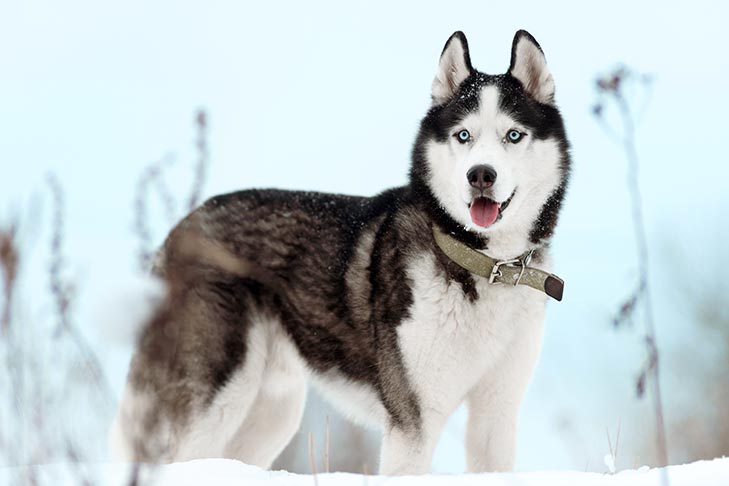
About the Siberian Husky
The Siberian Husky is a medium-sized working dog originally bred in Siberia for sledding across vast Arctic landscapes. These remarkable dogs were developed by the Chukchi people to pull light loads over long distances in harsh winter conditions.
What most owners don't realize is that Siberian Huskies are incredibly social dogs who thrive on companionship. They're known for their striking appearance with thick double coats that come in black, white, grey, or red and white combinations, plus those piercing blue or multi-colored eyes.
Currently ranking 19th in popularity, Siberian Huskies make excellent family pets for active households. Their friendly, outgoing nature combined with their loyalty has made them beloved companions worldwide, though they do require plenty of exercise and mental stimulation to stay happy.
Energy Level
Very High
Barking
Very Vocal
With Children
Excellent
With Dogs
Excellent
Shedding
Heavy
Trainability
Moderate
Siberian Husky Temperament & Personality
Siberian Huskies are friendly, outgoing dogs with gentle dispositions that make them excellent family companions. They're naturally pack animals who get along wonderfully with children and other dogs, though their high energy and vocal nature require understanding owners.
👨👩👧👦Family Friendly
Huskies are naturally gentle and patient with children, making them wonderful family dogs. Their playful nature means they'll happily join in family activities and games.
🐺Pack Mentality
These dogs thrive in social settings and generally get along excellently with other dogs. They prefer companionship over being alone and can develop separation anxiety if left isolated too long.
🎭Vocal & Expressive
Huskies are famously talkative dogs who love to 'sing' and howl rather than bark traditionally. They're quite dramatic and will let you know exactly how they're feeling through their vocalizations.
🏃High Energy
Bred for endurance work, these dogs have incredible stamina and need substantial daily exercise. Without proper outlets for their energy, they can become destructive or develop behavioral issues.
🧠Independent Thinkers
While intelligent, Huskies can be stubborn and independent, making training a challenge. They were bred to make decisions on the trail, so they don't always follow commands blindly.
Siberian Husky Grooming Needs
With a shedding score of 4 out of 5, Siberian Huskies are heavy shedders who require regular brushing to manage their thick double coat. During shedding seasons (typically twice a year), you'll need to brush daily to prevent matting and reduce the amount of fur around your home. The good news is their grooming needs score of 2 means they're relatively low-maintenance otherwise - they naturally keep themselves clean and only need occasional baths. Regular nail trims and dental care complete their grooming routine.
Full Grooming Guide →Siberian Husky Health & Lifespan
Siberian Huskies are generally healthy dogs with a lifespan of 12-14 years. As a working breed, they're built for endurance and typically maintain good health throughout their lives when properly cared for.
- ⚠️Hip DysplasiaThis genetic condition affects the hip joint and can cause lameness or arthritis in working breeds like Huskies. Early screening and maintaining a healthy weight can help manage the condition. Talk to your vet if you notice symptoms like difficulty rising or limping.
- ⚠️Eye ConditionsHuskies can develop progressive retinal atrophy, cataracts, and corneal dystrophy, which may affect their vision over time. Regular eye exams can catch these conditions early for better management. Talk to your vet if you notice symptoms like cloudy eyes or night blindness.
- ⚠️HypothyroidismThis hormonal condition can cause weight gain, lethargy, and coat problems in Huskies. It's easily managed with daily medication once properly diagnosed through blood tests. Talk to your vet if you notice symptoms like unexplained weight gain or hair loss.
- ⚠️Zinc DeficiencySome Huskies have trouble absorbing zinc, leading to skin and coat problems, particularly around the face and feet. This breed-specific issue can be managed with proper supplementation under veterinary guidance. Talk to your vet if you notice symptoms like crusty skin lesions or hair loss.
Feeding Your Siberian Husky
Siberian Huskies typically weigh between 45-60 pounds and have incredibly high energy needs that require a nutrient-dense diet. These working dogs were bred to survive on relatively small amounts of high-quality food while maintaining their energy for long-distance sledding. You'll want to feed them a high-protein diet that supports their active lifestyle, typically 2-3 cups of quality dry food daily, divided into two meals. What's interesting about Huskies is they're naturally efficient eaters who don't tend to overeat like some other breeds.
Full Feeding Guide →Siberian Husky Exercise Needs
With an energy score of 5 out of 5, Siberian Huskies have extremely high exercise requirements that go far beyond a simple walk around the block. These dogs were bred to run for miles pulling sleds, so they need at least 2 hours of vigorous exercise daily. Running, hiking, biking, and sledding (or cart pulling) are ideal activities that tap into their natural instincts. Here's the thing - a tired Husky is a well-behaved Husky, and without adequate exercise, they'll find their own entertainment through digging, howling, or escape attempts.
Training Tips →