
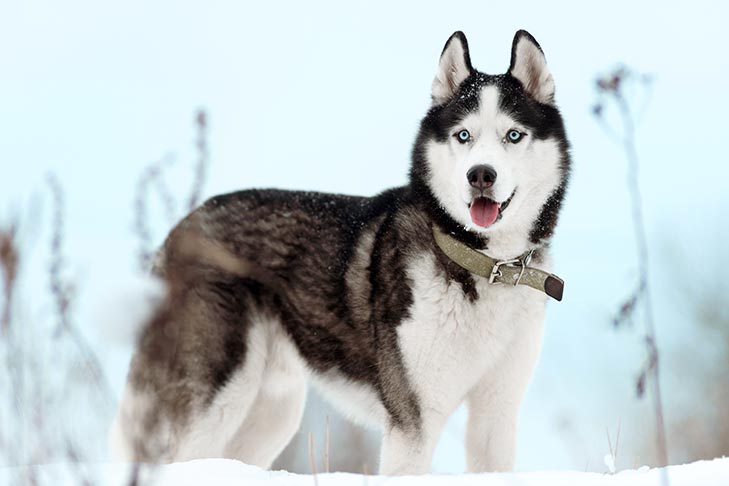
How Long Do Siberian Huskies Live?
Siberian Huskies typically live 12-14 years, which is excellent for a medium-to-large breed dog. Their working dog heritage and robust genetics contribute to their longevity.
Several factors influence your Husky's lifespan. Quality nutrition, regular exercise, preventive veterinary care, and maintaining a healthy weight all play crucial roles. What most owners don't realize is that spaying or neutering can also impact longevity by reducing certain cancer risks.
Compared to other breeds in their size range, Huskies are fortunate to have fewer genetic health issues. Their Arctic origins created a naturally hardy breed that's built to last.
Common Health Conditions in Siberian Huskies
While Siberian Huskies are generally healthy dogs, they may be prone to certain conditions. Being aware of these potential issues helps you catch problems early and work with your vet on the best treatment approach.
Here's the thing — many of these conditions are manageable when detected early. Regular check-ups and knowing what to watch for makes all the difference.
Preventive Care Checklist for Siberian Huskies
Prevention is always better than treatment. Here's what every Siberian Husky owner should prioritize to keep their dog healthy throughout their life.
You'll notice that many serious health issues can be prevented or caught early with consistent care. Working with your vet to establish a routine makes this much easier.
- Annual veterinary exams (twice yearly for seniors over 7)
- Keep vaccinations current and discuss titer testing
- Monthly heartworm and flea/tick prevention year-round
- Regular dental care including professional cleanings
- Maintain healthy weight through proper diet and exercise
- Hip and elbow screening for breeding dogs
- Annual eye exams by a veterinary ophthalmologist
- Thyroid function testing if symptoms develop
- Spay/neuter unless breeding (discuss timing with your vet)
Genetic Testing & Screening for Siberian Huskies
If you're considering breeding your Siberian Husky or want to understand their genetic health risks, several screening tests are available. The Orthopedic Foundation for Animals (OFA) maintains databases for hip, elbow, and eye clearances.
Genetic testing can identify carriers of conditions like PRA and other inherited diseases. This information helps breeders make informed decisions and helps owners prepare for potential health issues.
What most owners don't realize is that even if your dog tests positive for a genetic marker, it doesn't guarantee they'll develop the condition. It simply means increased vigilance and early screening may be beneficial.
Is Pet Insurance Worth It for Siberian Huskies?
Given that Huskies can live 12-14 years and may face expensive conditions like hip dysplasia surgery or ongoing eye treatments, pet insurance can provide valuable financial protection. Hip surgery alone can cost $3,000-$7,000 per hip.
The short answer is that insurance works best when you start while your dog is young and healthy. Pre-existing conditions are typically excluded, so early enrollment gives you the most comprehensive coverage.
Look for policies that cover hereditary conditions, emergency care, and chronic disease management. Some plans also include wellness coverage for routine preventive care.
Protect Your Siberian Husky
Unexpected vet bills can be overwhelming. Compare pet insurance plans to find coverage that fits your budget and gives you peace of mind.