
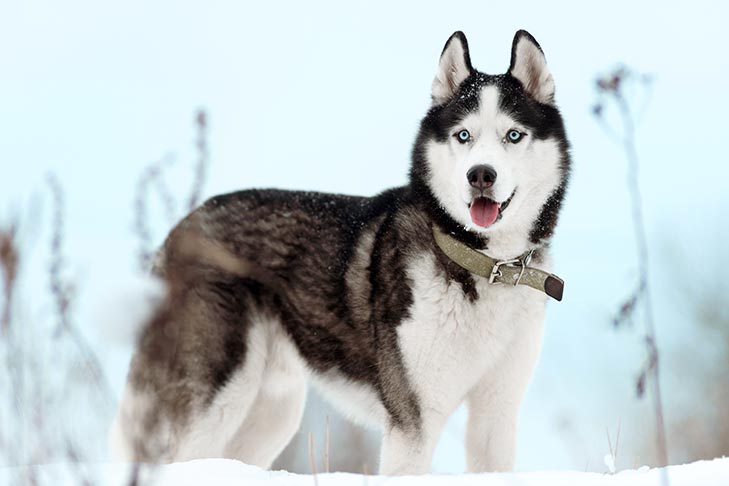
Are Siberian Huskies Easy to Train?
The short answer is: moderately challenging. Siberian Huskies score 3 out of 5 for trainability, placing them in the middle range compared to other breeds. This doesn't mean they're unintelligent—quite the opposite.
What most owners don't realize is that Huskies were bred to be independent decision-makers. These working dogs needed to think for themselves while pulling sleds across vast Siberian landscapes. That independence can translate into selective hearing during training sessions.
Their high energy score of 5/5 adds another layer of complexity. A bored or under-exercised Husky will struggle to focus on training. You'll notice that mental exhaustion is just as important as physical exercise for successful training sessions.
The good news? Huskies are incredibly intelligent and food-motivated. Once you understand their mindset and work with their natural instincts rather than against them, training becomes much more manageable.
Best Training Methods for Siberian Huskies
Positive reinforcement is your best friend when training a Siberian Husky. These dogs respond poorly to harsh corrections or dominance-based methods, which can damage your relationship and increase stubborn behavior.
High-Value Rewards Work Best
Huskies are notoriously food-motivated, so identify what makes your dog's tail wag. Small pieces of cooked chicken, freeze-dried liver, or premium training treats often work better than regular kibble. Some Huskies also respond well to play rewards like a quick game of tug.
Keep Sessions Short and Sweet
With their independent nature, Huskies can lose interest quickly. Aim for 5-10 minute training sessions, 2-3 times per day. This prevents mental fatigue and keeps training fun rather than feeling like work.
Make It Mentally Challenging
Incorporate puzzle elements into basic commands. Instead of simply asking for a "sit," have them sit before going through doorways or before meals. This engages their problem-solving abilities and makes training feel more like a game.
Consistency is Non-Negotiable
Every family member needs to use the same commands and reward system. Huskies are smart enough to figure out which person has the loosest rules, and they'll exploit those inconsistencies.
Puppy Training Essentials for Siberian Huskies
Starting early gives you the best chance of success with a Siberian Husky. Puppy brains are more malleable, and you can establish good habits before stubborn tendencies fully develop.
First Commands to Master
Start with "name recognition" before anything else. A Husky who doesn't reliably respond to their name will struggle with all other commands. Practice calling their name and rewarding immediate attention, even if they're distracted.
Next, focus on "sit," "stay," and "come." These form the foundation for everything else. The "come" command is especially crucial for Huskies, given their tendency to bolt when something catches their interest.
House Training Timeline
Husky puppies typically take 4-6 months to become fully house-trained, similar to most breeds. However, their high intelligence means they often understand the concept quickly—accidents are usually about excitement or not getting outside in time.
Take them out every 2 hours during the day, immediately after meals, and first thing in the morning. Always go to the same spot and use a consistent command like "go potty."
Early Socialization is Critical
With their excellent scores for getting along with children (5/5) and other dogs (5/5), Huskies are naturally social. However, proper socialization ensures they remain confident and well-adjusted. Expose your puppy to different people, sounds, surfaces, and experiences during their critical socialization period (3-14 weeks).
Common Behavior Challenges in Siberian Huskies
Understanding breed-specific challenges helps you address them proactively rather than reactively. Here are the most common issues Husky owners face.
Excessive Barking and Vocalization
With a barking score of 5/5, Siberian Huskies are among the most vocal breeds. They don't just bark—they howl, "talk," and make a variety of sounds to communicate. While you can't eliminate this behavior entirely, you can manage it.
Teach a "quiet" command by waiting for a pause in their vocalization, saying "quiet," and immediately rewarding the silence. Never yell at a barking Husky, as they'll often interpret this as you joining in their conversation.
Destructive Behavior from High Energy
That energy score of 5/5 means your Husky needs substantial physical and mental exercise daily. A tired Husky is a well-behaved Husky. Without adequate exercise, they'll create their own entertainment—usually involving your furniture or belongings.
Aim for at least 2 hours of exercise daily, including running, hiking, or vigorous play. Mental stimulation through puzzle toys, training sessions, and new experiences is equally important.
Escape Artist Tendencies
Huskies are notorious for finding ways out of yards, houses, and even crates. This stems from their breeding as sled dogs who needed to navigate challenging terrain. Secure fencing at least 6 feet high is essential, and many owners find they need to extend fencing underground to prevent digging.
Selective Listening
That moderate trainability score often manifests as selective hearing. Your Husky might perform perfectly at home but ignore you completely at the dog park. This isn't defiance—it's prioritization. They're deciding whether your request is more interesting than their current activity.
Work on building a strong recall in gradually more distracting environments, always using high-value rewards that compete with environmental distractions.
Professional Training for Siberian Huskies
Struggling with your Husky's independent streak? Professional trainers who understand working breeds can provide personalized strategies for your specific challenges.
Socialization Tips for Siberian Huskies
Siberian Huskies excel in social situations when properly introduced. Their perfect scores with children and other dogs make them excellent family pets, but proper socialization ensures these natural tendencies develop correctly.
With Children
Despite their size (45-60 pounds), well-socialized Huskies are typically gentle with children. However, their high energy can overwhelm small kids during play. Teach your Husky to "settle" on command and provide them with calm-down periods during playtime.
Supervise interactions with toddlers, not because of aggression concerns, but because an excited Husky might accidentally knock over a small child. Teach children how to interact respectfully with the dog—no tail pulling, ear grabbing, or disturbing them while eating.
With Other Dogs
Huskies are naturally pack-oriented and generally love other dogs. However, their play style can be intense and overwhelming for some breeds. They enjoy wrestling, chasing, and rough play that might intimidate gentler dogs.
Introduce new dogs in neutral territory rather than your home or yard. Allow them to see and smell each other before direct contact. Most Huskies will quickly establish play relationships with compatible dogs.
Environmental Socialization
Expose your Husky to various environments, sounds, and experiences. Take them to pet-friendly stores, busy sidewalks, and different types of terrain. Their working dog background makes them naturally adaptable, but early exposure prevents fear-based behaviors later.
Pay special attention to car rides, as many Huskies will need to travel for exercise opportunities like hiking trails or dog parks. Start with short trips and gradually increase duration as they become comfortable.