Why Senior Dog Nutrition Matters
As dogs age, their nutritional needs change dramatically. Senior dogs—typically those over 7 years old for most breeds—face slower metabolisms, reduced activity levels, and age-related health challenges that require dietary adjustments. Choosing the best foods for senior dogs isn't just about maintaining weight; it's about supporting joint health, cognitive function, and overall quality of life during their golden years.
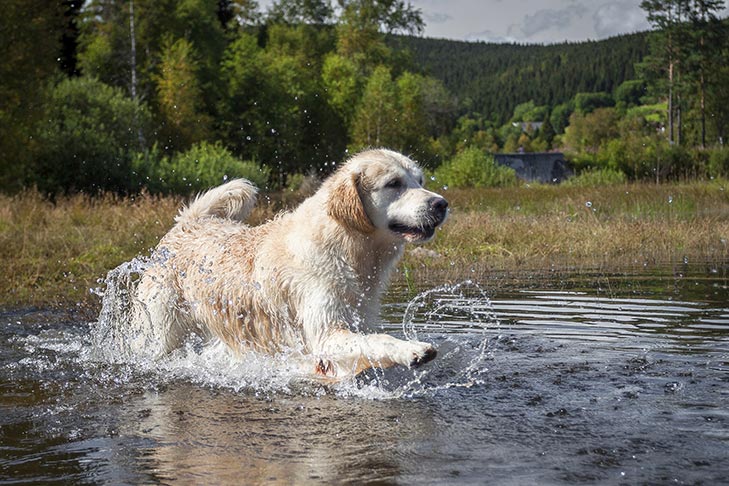
The right nutrition can help manage arthritis, support kidney function, maintain healthy digestion, and even slow cognitive decline. Large breeds like Golden Retrievers may show signs of aging as early as 5-6 years, while smaller breeds like Affenpinschers might not be considered seniors until 8-10 years. Regardless of size, all senior dogs benefit from thoughtfully chosen nutrition that addresses their changing bodies.
Understanding Senior Dog Nutrition Basics
Senior dog nutrition focuses on three key principles: maintaining lean body mass, supporting organ function, and managing age-related conditions. Unlike younger dogs who need energy for growth and high activity, older dogs require fewer calories but more targeted nutrients.
Protein remains crucial for senior dogs, but the quality matters more than quantity. High-quality, easily digestible proteins help maintain muscle mass while reducing kidney strain. Senior dogs also benefit from increased fiber for digestive health, omega-3 fatty acids for joint and cognitive support, and antioxidants to combat cellular aging.
The best dog food for older dogs typically contains 18-25% protein, moderate fat levels (8-15%), and enhanced levels of glucosamine, chondroitin, and omega fatty acids. These formulations support the unique needs of aging bodies while remaining gentle on sensitive digestive systems.
Choosing the Right Senior Dog Food
Start by evaluating your dog's current health status and activity level. Active seniors may need different nutrition than sedentary dogs. Look for foods labeled specifically for senior dogs or "all life stages" formulas that meet senior nutritional profiles.
Key ingredients to prioritize include named meat proteins (chicken, salmon, lamb), whole grains or sweet potatoes for digestible carbohydrates, and added supplements like glucosamine and omega-3s. Avoid foods with excessive fillers, artificial preservatives, or high sodium content that can stress aging organs.
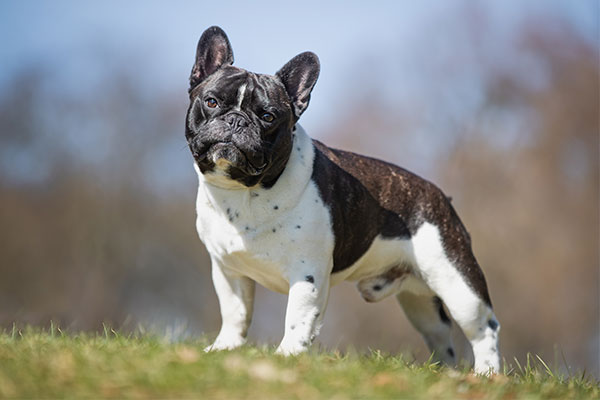
Consider your dog's breed-specific needs as well. Breeds prone to joint issues like Golden Retrievers benefit from enhanced joint support formulas, while smaller breeds like French Bulldogs may need smaller kibble sizes for easier chewing. Flat-faced breeds such as French Bulldogs and Bichon Frises often do better with softer textures or wet food options.
Transitioning to Senior Food
Make dietary changes gradually over 7-10 days to avoid digestive upset. Start by mixing 25% new food with 75% current food, then gradually increase the new food proportion every 2-3 days. Monitor your dog's appetite, energy levels, and bowel movements during the transition.
Some dogs may resist new foods initially. Try warming wet food slightly or adding a small amount of low-sodium broth to make the transition more appealing. Consistency is key—stick with the gradual schedule even if your dog seems eager for more of the new food.
Common Senior Dog Feeding Mistakes
Many pet owners make well-intentioned mistakes when feeding senior dogs. Overfeeding is the most common error—senior dogs need 20-30% fewer calories than younger adults due to decreased activity and slower metabolism. Extra weight puts additional stress on aging joints and organs.
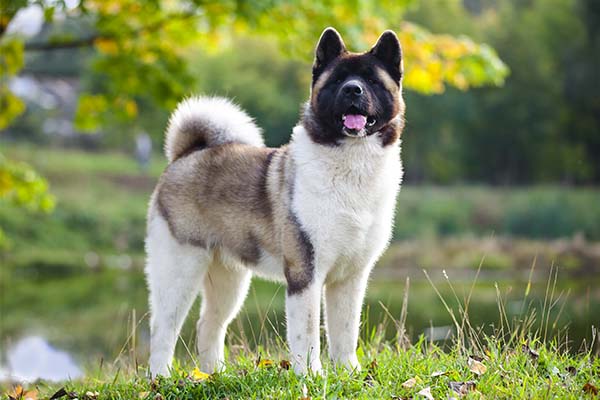
Another mistake is assuming all senior dogs need the same nutrition. A healthy 8-year-old Akita has different needs than a 12-year-old dog with kidney disease. Generic "senior" labels don't account for individual health status, activity levels, or breed-specific requirements.
- Switching foods too quickly, causing digestive upset
- Ignoring portion control and feeding adult dog amounts
- Choosing foods based on price alone rather than quality
- Not adjusting feeding frequency for better digestion
- Overlooking the need for increased water intake
Avoid giving table scraps or high-fat treats that can trigger pancreatitis in older dogs. Many human foods that younger dogs might tolerate can cause serious problems for seniors with more sensitive digestive systems.
When to Consult Your Veterinarian
Schedule a senior wellness exam before making major dietary changes. Your veterinarian can assess your dog's body condition, check for underlying health issues, and recommend specific nutritional approaches based on their findings.
Seek immediate veterinary guidance if your senior dog shows sudden appetite changes, unexplained weight loss or gain, increased thirst, changes in urination, or digestive issues. These symptoms might indicate serious conditions requiring specialized diets.
Dogs with diagnosed conditions like kidney disease, diabetes, or heart problems need prescription diets tailored to their specific health needs. Your senior dog nutrition guide should always include regular veterinary input, especially as they age and their needs continue evolving.
Always consult your veterinarian before making significant dietary changes for your senior dog, especially if they have existing health conditions.
Senior Dog Feeding Quick Reference
Use this senior dog nutrition guide as a starting point for what to feed an older dog:
- Protein: 18-25% from high-quality, named meat sources
- Fat: 8-15% to maintain energy without excess calories
- Fiber: 3-5% for healthy digestion and weight management
- Calories: Reduce by 20-30% compared to adult maintenance
- Feeding frequency: 2-3 smaller meals daily instead of one large meal
- Key supplements: Glucosamine, chondroitin, omega-3 fatty acids
- Texture considerations: Softer foods for dogs with dental issues
- Water: Ensure constant access to fresh water; consider wet food
- Monitoring: Weekly weight checks and monthly body condition assessments
- Veterinary care: Bi-annual wellness exams for nutritional guidance
Remember that individual dogs may have unique needs based on their health status, breed characteristics, and lifestyle. The best foods for senior dogs are those that support their individual aging process while maintaining their quality of life and vitality throughout their golden years.