Why This Matters for Pet Owners
Many human foods that seem harmless can be dangerous or even deadly to dogs. Unlike humans, dogs process certain compounds differently, making foods toxic to dogs that we eat safely every day. Understanding what foods can dogs not eat is crucial for preventing accidental poisoning and emergency vet visits.
Dog poisoning from food is more common than many owners realize. Emergency veterinary clinics regularly treat dogs who've consumed chocolate, grapes, or other toxic substances. The severity can range from mild stomach upset to organ failure, depending on the food and amount consumed.
Prevention is always better than treatment. By knowing which human foods dangerous to dogs to keep away from your pet, you can create a safer environment and avoid potentially life-threatening situations.
Understanding Food Toxicity in Dogs
Food toxicity occurs when dogs consume substances their bodies cannot properly process or eliminate. Dogs have different digestive systems and metabolic processes than humans, making certain compounds harmful even in small amounts.
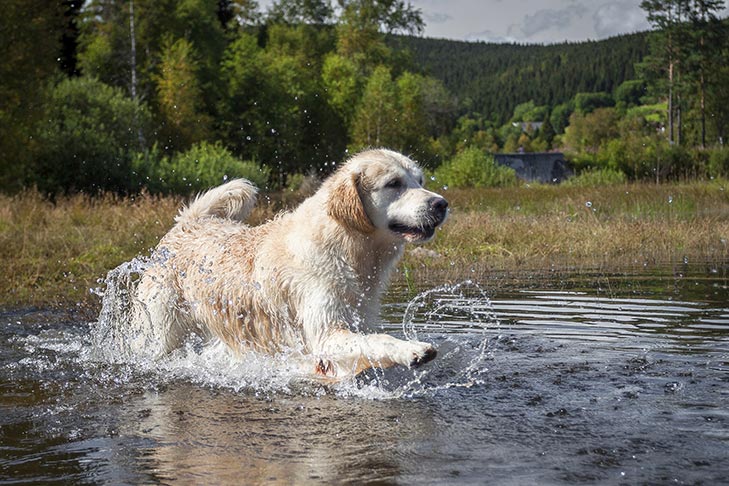
Toxicity levels depend on several factors: the dog's size and weight, the amount consumed, the specific toxic compound, and how quickly treatment begins. A small amount of chocolate might cause mild symptoms in a large Golden Retriever but could be life-threatening for a tiny Affenpinscher.
Some toxic effects appear immediately, while others develop over hours or days. This delayed reaction can make it difficult to connect symptoms with the food consumed, which is why prevention through awareness is so important.
Complete Toxic Foods for Dogs List
Highly Dangerous Foods
These foods can cause severe illness or death, even in small amounts:
- Chocolate (especially dark chocolate and baking chocolate) - contains theobromine and caffeine
- Grapes and raisins - can cause kidney failure
- Xylitol (artificial sweetener) - causes rapid blood sugar drop and liver damage
- Onions and garlic - damage red blood cells, causing anemia
- Macadamia nuts - cause weakness, vomiting, and hyperthermia
- Avocado - contains persin, toxic to dogs
Moderately Dangerous Foods
These foods can cause illness, especially in larger quantities or for sensitive dogs:
- Alcohol - causes vomiting, diarrhea, breathing problems, and coma
- Coffee and caffeine - similar effects to chocolate toxicity
- Raw yeast dough - expands in stomach and produces alcohol
- High-fat foods - can trigger pancreatitis
- Salt and salty snacks - can cause sodium poisoning
- Raw eggs - risk of salmonella and biotin deficiency
Foods to Use Caution With
These foods aren't necessarily toxic but can cause problems:
- Dairy products - many dogs are lactose intolerant
- Spicy foods - can cause stomach upset
- Sugary foods - can lead to obesity and dental problems
- Bones (cooked) - can splinter and cause choking or internal damage
Keeping Your Dog Safe: Practical Steps
Create a dog-safe environment by following these essential steps:
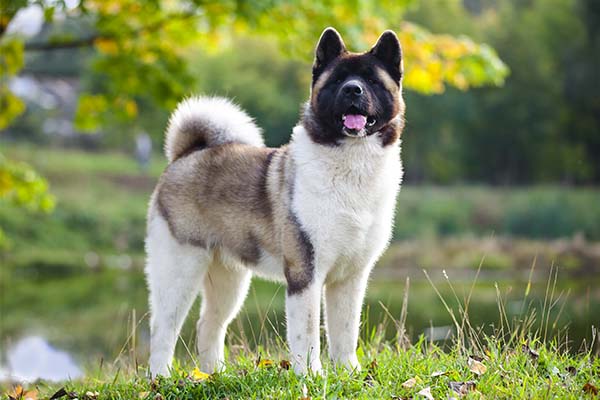
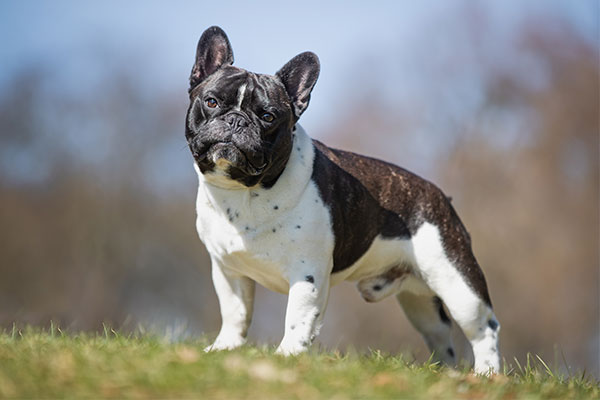
Secure all toxic foods in cabinets or areas your dog cannot reach. Dogs are surprisingly resourceful when motivated by food smells. Install child-proof latches if necessary, especially for determined breeds like the intelligent Akita or curious French Bulldog.
Educate all family members and visitors about foods toxic to dogs. Children especially need clear instructions about never sharing human food with pets. Create a simple list posted in your kitchen as a reminder.
During parties or holidays, designate someone to monitor your dog and ensure guests don't accidentally drop dangerous foods. Consider using a crate or separate room for your dog's safety during large gatherings.
Always check ingredient lists before giving your dog any human food. Many processed foods contain hidden toxins like xylitol or garlic powder. When in doubt, stick to dog-specific treats and foods.
Dispose of food waste properly in covered garbage cans. Dogs will scavenge through trash, and even small amounts of toxic foods can be dangerous, particularly for smaller breeds like the Bichon Frise.
Common Mistakes to Avoid
Many well-meaning dog owners make these dangerous errors:
Assuming small amounts are harmless. Even tiny quantities of some foods toxic to dogs can cause serious problems. A single grape can potentially cause kidney failure in sensitive dogs.
Believing that if one dog can eat something, all dogs can. Individual dogs have different sensitivities and tolerances. What doesn't affect your neighbor's dog might seriously harm yours.
Waiting to see if symptoms develop before seeking help. Time is critical with food poisoning. Contact your veterinarian immediately if you suspect your dog has consumed anything toxic.
Trying home remedies or inducing vomiting without professional guidance. Some substances cause more damage coming back up, and improper vomiting induction can be dangerous.
Forgetting about foods in purses, backpacks, or coat pockets. Dogs can smell food through containers and may chew through bags to reach it.
When to Consult Your Veterinarian
Contact your veterinarian immediately if your dog consumes any amount of highly toxic foods like chocolate, grapes, or xylitol. Don't wait for symptoms to appear - early intervention can prevent serious complications.
Watch for these warning signs of food poisoning: vomiting, diarrhea, lethargy, loss of appetite, excessive drooling, difficulty breathing, seizures, or collapse. Any of these symptoms warrant immediate veterinary attention.
Keep your veterinarian's emergency contact information easily accessible, along with the nearest 24-hour animal hospital. Have the ASPCA Animal Poison Control Center number (888-426-4435) readily available for guidance.
When calling for help, provide specific information: what your dog ate, how much, when it happened, and your dog's current condition. This helps veterinarians determine the best course of action.
Always consult your veterinarian before making health-related decisions for your pet. When it comes to potential poisoning, it's always better to err on the side of caution.
Quick Reference Summary
Keep this essential list handy for quick reference:
- Never give: chocolate, grapes/raisins, xylitol, onions/garlic, macadamia nuts, avocado
- Avoid: alcohol, caffeine, raw yeast dough, high-fat foods, excessive salt
- Use caution: dairy products, spicy foods, sugary treats, cooked bones
- Emergency signs: vomiting, diarrhea, lethargy, breathing problems, seizures
- Key prevention: secure toxic foods, educate family, check ingredients, dispose waste properly
- When in doubt: contact your veterinarian immediately - don't wait for symptoms
Remember that different breeds may have varying sensitivities to toxic foods. While this guide applies to all dogs, consider consulting breed-specific feeding guides for additional insights. For example, check our Golden Retriever feeding guide for breed-specific considerations.