Why Homemade Dog Food Matters
More pet owners are considering homemade dog food as an alternative to commercial kibble. Whether driven by ingredient concerns, food allergies, or simply wanting more control over their dog's nutrition, the appeal is understandable. However, creating a balanced homemade dog diet requires careful planning and knowledge.
The question "is homemade dog food safe" doesn't have a simple yes or no answer. When done correctly with veterinary guidance, homemade meals can be nutritionally complete. When done incorrectly, they can lead to serious deficiencies that harm your dog's health over time.
This homemade dog food guide will help you understand the requirements, risks, and proper methods for preparing safe, nutritious meals for your canine companion.
Understanding Canine Nutritional Needs
Dogs require specific ratios of proteins, fats, carbohydrates, vitamins, and minerals to thrive. Unlike humans, dogs have different metabolic needs and cannot safely eat many foods we consider healthy.
A balanced homemade dog diet must include high-quality protein sources, healthy fats, digestible carbohydrates, and essential micronutrients. The exact proportions vary based on your dog's age, size, activity level, and health status. Small breeds like the Affenpinscher have different caloric needs per pound than larger breeds like the Akita.
Commercial dog foods are formulated to meet standards set by the Association of American Feed Control Officials (AAFCO). Homemade diets must achieve similar nutritional completeness, which requires careful recipe formulation and often supplementation.
How to Make Homemade Dog Food Safely
Step 1: Consult Your Veterinarian
Before starting any homemade feeding regimen, schedule a consultation with your veterinarian or a veterinary nutritionist. They can assess your dog's specific needs and help create or approve recipes that meet nutritional requirements.
Step 2: Choose Quality Ingredients
Select fresh, high-quality ingredients from reputable sources. Your protein sources should include lean meats, fish, or poultry. Carbohydrates can come from rice, sweet potatoes, or oats. Include dog-safe vegetables like carrots, green beans, and spinach.
- Protein: 25-30% of total calories (chicken, beef, fish, turkey)
- Fats: 10-15% of total calories (fish oil, chicken fat)
- Carbohydrates: 30-50% of total calories (rice, sweet potato)
- Vegetables: 10-15% of total volume (carrots, broccoli, spinach)
Step 3: Follow Tested Recipes
Use recipes developed by veterinary nutritionists rather than creating your own. Many well-meaning homemade diets lack essential nutrients or contain incorrect ratios that can cause health problems over time.
Measure ingredients precisely using a kitchen scale rather than volume measurements. Nutritional balance depends on accurate proportions, and eyeballing ingredients can lead to imbalances.
Step 4: Add Necessary Supplements
Most homemade dog diets require vitamin and mineral supplements to achieve nutritional completeness. Common supplements include calcium, phosphorus, and essential vitamins that are difficult to provide through whole foods alone.
Never guess at supplementation. Work with your veterinarian to determine which supplements your dog needs and in what amounts.
Step 5: Prepare and Store Properly
Cook proteins thoroughly to eliminate harmful bacteria. Steam or lightly cook vegetables to improve digestibility. Allow food to cool completely before refrigerating or freezing.
Store prepared meals in the refrigerator for up to three days or freeze in individual portions for up to three months. Always thaw frozen meals safely in the refrigerator, never at room temperature.
Common Mistakes to Avoid
Many well-intentioned pet owners make critical errors when preparing homemade dog food. These mistakes can have serious long-term consequences for your dog's health.
- Using recipes from unreliable sources or social media without veterinary approval
- Assuming human food proportions work for dogs
- Skipping essential supplements to save money
- Including toxic ingredients like onions, garlic, grapes, or chocolate
- Changing recipes frequently without considering nutritional balance
- Feeding only raw meat without proper pathogen control
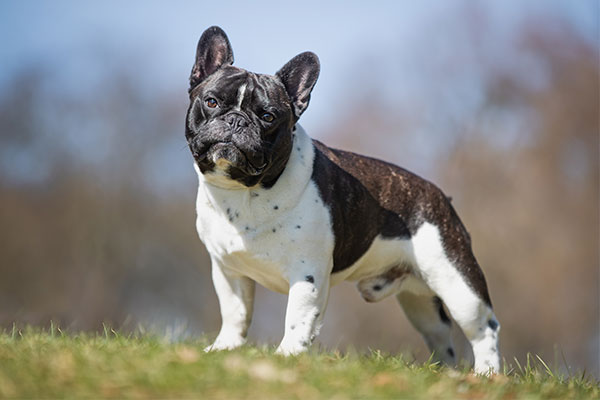
Some breeds have specific dietary sensitivities that require extra attention. For example, French Bulldogs are prone to food allergies, while Bichon Frises may have sensitive digestive systems that require gradual dietary transitions.
When to Consult Your Veterinarian
Veterinary guidance is essential throughout your homemade feeding journey, not just at the beginning. Schedule regular check-ups to monitor your dog's health and nutritional status.
Contact your veterinarian immediately if you notice signs of nutritional deficiency or imbalance, including changes in coat quality, energy levels, weight, or digestive issues. Some deficiencies take months to manifest, making professional monitoring crucial.
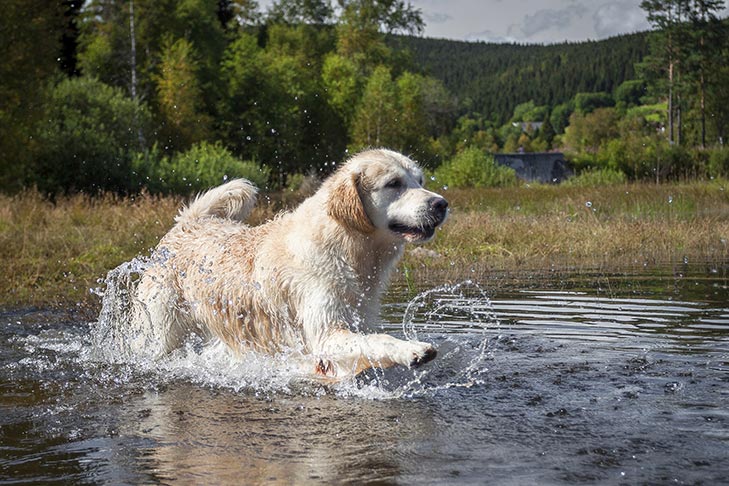
Active dogs like Golden Retrievers may need caloric adjustments based on their exercise levels, while senior dogs of any breed may require modified nutrition as their metabolism changes.
Always consult your veterinarian before making health-related decisions for your pet. Professional guidance is especially important when transitioning to homemade diets or addressing specific health conditions.
Quick Reference Summary
Key points for safe homemade dog food preparation:
- Consult a veterinarian or veterinary nutritionist before starting
- Use only tested, veterinary-approved recipes
- Include proper protein, fat, and carbohydrate ratios
- Add necessary vitamin and mineral supplements
- Measure ingredients precisely using a kitchen scale
- Cook proteins thoroughly and store food safely
- Avoid toxic ingredients like onions, garlic, and chocolate
- Monitor your dog's health with regular veterinary check-ups
- Transition gradually from commercial to homemade food
- Keep detailed records of recipes and your dog's response
Remember that homemade dog food requires significant time, effort, and ongoing veterinary support. When done correctly, it can be a rewarding way to provide nutrition tailored to your dog's specific needs.