Determining how much to feed your dog by weight is one of the most important decisions you'll make as a pet owner. Getting the portion size right keeps your dog healthy, maintains their ideal weight, and prevents costly health problems down the road.
Why Proper Feeding Amounts Matter
Your dog's weight directly impacts their health, energy levels, and lifespan. Overfeeding leads to obesity, which affects over 50% of dogs in the United States. Obese dogs face higher risks of diabetes, joint problems, heart disease, and shorter lifespans. Underfeeding causes malnutrition, weakness, and poor coat quality.
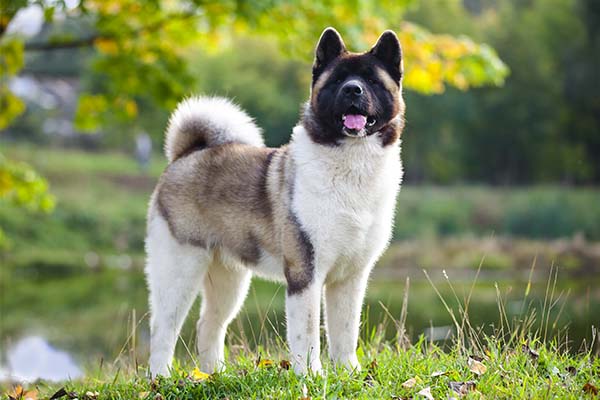
Using a dog feeding chart by weight helps you provide consistent nutrition tailored to your dog's specific needs. Small breeds like the Affenpinscher need different portion sizes than large breeds like the Akita. Getting this right from the start sets your dog up for a healthy life.
Understanding Dog Feeding Basics
Dog food manufacturers provide feeding guidelines based on your dog's current weight, but these are starting points, not exact requirements. Your dog's individual needs depend on several factors beyond weight alone.
Age plays a crucial role in determining how much your dog should eat. Puppies need more calories per pound than adult dogs because they're growing rapidly. Senior dogs often need fewer calories due to decreased activity levels and slower metabolism.
Activity level significantly impacts caloric needs. A working dog or highly active breed requires more food than a couch potato. Indoor dogs typically need fewer calories than outdoor dogs who spend more energy regulating body temperature.
Metabolism varies between individual dogs and breeds. Some dogs naturally burn calories faster, while others gain weight easily. Monitor your dog's body condition rather than relying solely on the scale.
Step-by-Step Feeding Guide by Weight
Start by weighing your dog accurately. Use a pet scale or weigh yourself holding your dog, then subtract your weight. Record this baseline weight for tracking changes over time.
Check your dog food bag for the manufacturer's feeding chart. These charts typically show daily amounts based on weight ranges. For example, a 10-pound dog might need ½ to ¾ cup daily, while a 50-pound dog needs 2½ to 3 cups daily.
Divide the daily amount into two or three meals. Puppies under six months need three to four meals daily. Adult dogs do well with two meals. Senior dogs may prefer smaller, more frequent meals to aid digestion.
Use a measuring cup designed for pet food to ensure accuracy. Level off each scoop for consistency. Eyeballing portions leads to overfeeding in most cases.
Monitor your dog's body condition weekly. You should feel their ribs easily with light pressure but not see them prominently. Their waist should be visible when viewed from above, and their belly should tuck up when viewed from the side.
Adjust portions based on your dog's response. If they're gaining weight, reduce portions by 10-15%. If they're losing weight or seem constantly hungry, increase portions gradually. Make changes slowly over 7-10 days.
Weight-Based Feeding Guidelines
Small breeds (under 20 pounds) like the Bichon Frise have faster metabolisms and may need more calories per pound than larger dogs. They also benefit from smaller kibble sizes and more frequent meals to prevent hypoglycemia.
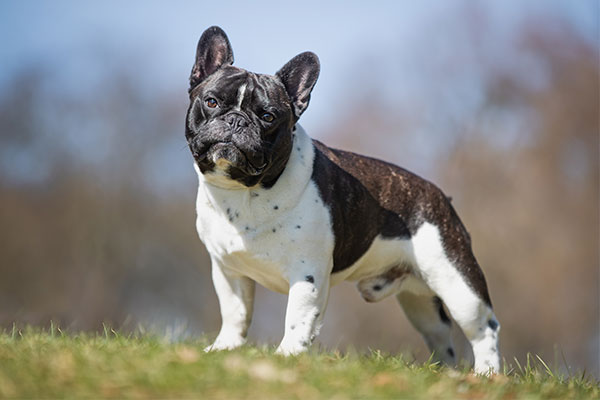
Medium breeds (20-60 pounds) including the French Bulldog typically follow standard feeding charts closely. These dogs usually maintain stable weights with consistent portion control.
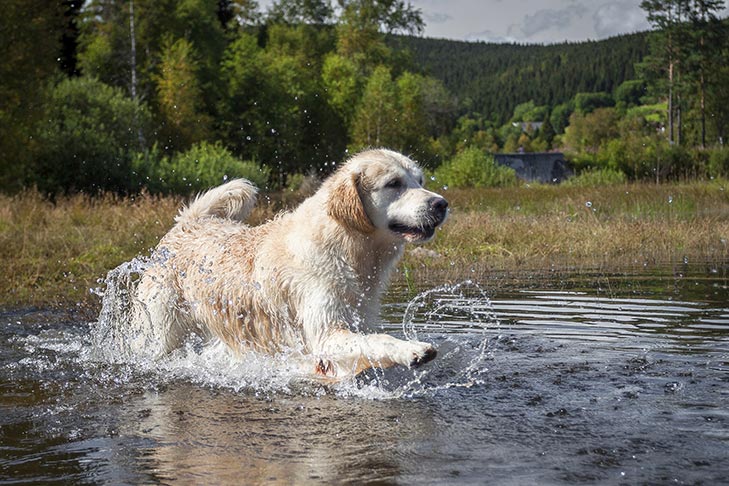
Large breeds (over 60 pounds) like the Golden Retriever may need fewer calories per pound but larger total volumes. They're also prone to bloat, so avoid large meals and vigorous exercise immediately after eating.
Common Feeding Mistakes to Avoid
Free feeding, or leaving food out all day, makes portion control impossible and can lead to overeating. It also makes it difficult to notice appetite changes that might indicate health problems.
Using treats without adjusting meal portions adds extra calories that quickly accumulate. Treats should make up no more than 10% of your dog's daily calories. Reduce meal portions slightly when giving training treats or special snacks.
Feeding based on your dog's age rather than their current weight leads to inappropriate portions. A two-year-old overweight dog needs fewer calories than a two-year-old dog at ideal weight, regardless of age recommendations.
Ignoring body condition changes while focusing only on the scale can be misleading. Muscle weighs more than fat, so an active dog might maintain weight while becoming leaner and healthier.
Switching foods without adjusting portions causes problems because different brands have varying calorie densities. Always check the new food's feeding guidelines and transition gradually.
When to Consult Your Veterinarian
Schedule a veterinary consultation if your dog gains or loses more than 10% of their body weight despite consistent feeding. Sudden weight changes can indicate underlying health issues that require professional evaluation.
Dogs with medical conditions like diabetes, kidney disease, or food allergies need customized feeding plans. Your veterinarian can recommend therapeutic diets and specific portion guidelines for these conditions.
Senior dogs experiencing appetite changes, difficulty chewing, or digestive issues benefit from veterinary guidance on appropriate food types and feeding schedules.
If you're unsure whether your dog is at an ideal weight, ask your veterinarian to demonstrate proper body condition scoring during your next visit. They can teach you to assess your dog's condition at home.
Always consult your veterinarian before making significant changes to your dog's diet or if you notice unexplained weight changes.
Quick Reference Summary
- Weigh your dog regularly and use manufacturer feeding charts as starting points
- Divide daily portions into 2-3 meals for better digestion and blood sugar control
- Use measuring cups for consistent portions and avoid free feeding
- Monitor body condition weekly - you should feel ribs easily but not see them prominently
- Adjust portions by 10-15% if weight changes, making changes gradually over 7-10 days
- Account for treats in daily calorie calculations - they should be less than 10% of total intake
- Consider age, activity level, and metabolism when determining individual needs
- Consult your veterinarian for dogs with medical conditions or significant weight changes